


Do we really need this many new ships? Global shipbuilding orders hit another all-time high
Source:
2026-11-04
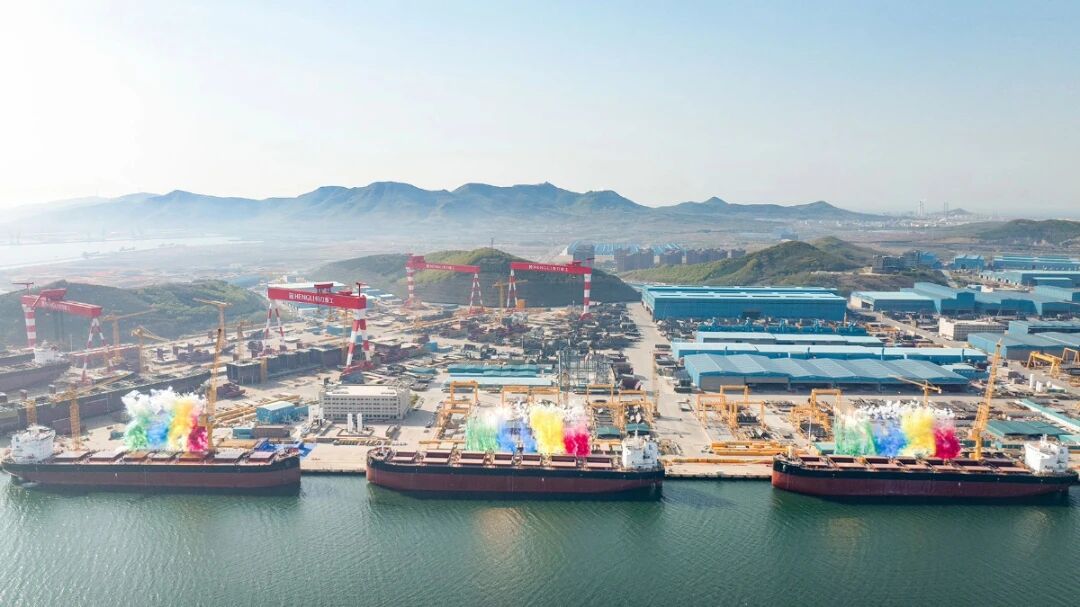
The global shipbuilding industry is ushering in a new expansion cycle. As new ship orders continue to increase, the global orderbook has surpassed the historical peak before the 2008 financial crisis. At the same time, shipyard output is expected to climb sharply over the next two years, with Chinese shipbuilders playing a dominant role in this expansion.
However, behind the order growth and capacity expansion, new concerns are beginning to emerge: when large numbers of new ships are delivered one after another, can the global shipping market absorb the additional capacity?
Orderbook Breaks the 2008 Historical Peak
The latest data from Clarksons Research shows that in October this year, the global orderbook reached 226 million compensated gross tons (CGT), exceeding the historical record of 225.5 million CGT set in September 2008. The total order value is currently about USD 700 billion, up 24% over the past year and three times the 2020 level.
Order growth will also translate into concentrated deliveries in the coming years. Clarksons expects global new ship deliveries to reach 64 million CGT in 2027, up about 24% year on year and 18% higher than the historical peak of 55 million CGT set in 2010. By 2028, deliveries are expected to rise further to 72 million CGT.
However, compared with 2008, the market structure of this shipbuilding cycle has changed markedly.
Measured by gross tonnage, the current global orderbook is equivalent to about 25% of the existing fleet, far below 53% in 2008. Measured by deadweight tonnage, the current orderbook is about 601 million DWT, also lower than 657 million DWT in 2008.
Changes in ship type structure are also noteworthy. Measured in CGT, container ships now account for 31% of the global orderbook, nearly twice the share in 2008; gas carriers have risen from 5% to 15%, while bulk carriers have fallen from 31% to 17%. In addition, ships capable of using alternative fuels account for 43% of the orderbook, compared with only 2% in 2008.
This means that although the total volume of shipbuilding orders has now exceeded the previous peak, it cannot simply be regarded as a repeat of the 2008 shipbuilding boom.
Chinese Shipyards Accelerate Expansion
In this shipbuilding expansion, the market position of Chinese shipyards has further strengthened.
Clarksons data shows that Chinese shipyards currently hold 68% of the global orderbook, about twice the level in 2008, and contributed about 60% of global shipbuilding output this year. By contrast, the orderbook shares of South Korean and Japanese shipyards have fallen to 17% and about 8%, respectively.
Among them, the expansion of Hengli Heavy Industries is particularly noteworthy. The company, which re-entered the shipbuilding business in 2022, now has an orderbook of 485 vessels, ranking first among individual shipyards globally.
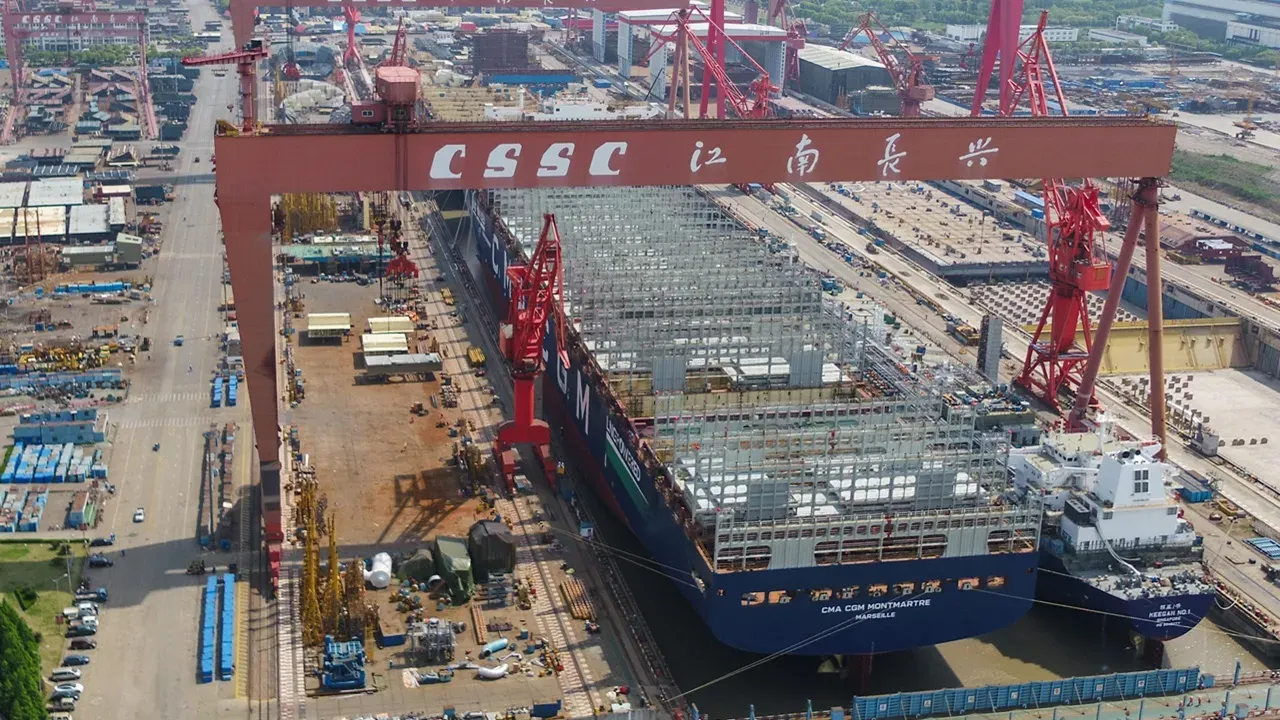
Analysts at shipbroker Affinity noted in a recent report that Hengli has received nearly 400 ship orders since the start of this year, a scale that is quite rare in the history of the global shipbuilding industry. With continued capital inflows, the shipyard is expected to further invest in expanding capacity.
The expansion of Chinese shipyards is not limited to leading enterprises. New shipbuilding facilities have appeared in Yingkou, Nantong and other places (Yingkou Huayin Shipbuilding and Wuchuan (Nantong) Shipbuilding Co., Ltd.), and some previously idle shipyards have resumed production. Clarksons currently tracks about 225 shipbuilding expansion projects globally, more than three-quarters of which are located in China.
Nevertheless, the number of active shipyards worldwide is currently about 500, still only half of the roughly 1,000 in 2008. This also shows that this round of expansion is reflected not only in existing shipyards increasing capacity, but also in some idle facilities being put back into operation and new entrants participating in market competition.
The pace of capacity expansion has begun to attract industry attention. According to data from the Baltic and International Maritime Council (BIMCO), Chinese shipyards' planned deliveries in 2028 will reach 44 million CGT, nearly double the 22.7 million CGT in 2025. To complete existing orders, Chinese shipyards may need to significantly improve production efficiency and delivery capability over the next two years.
But BIMCO also warns that if future new ship ordering slows, the current large-scale expansion may lead to a decline in capacity utilization at some shipyards.
With Concentrated New Ship Deliveries, Can the Shipping Market Absorb Them?
Growing in parallel with shipyard expansion is pressure from additional capacity in the future shipping market. However, the supply-demand situation differs by ship type.
The container ship market has already shown relatively clear signals of supply pressure.
According to BIMCO data, the global container ship fleet has reached about 34 million TEU, with an orderbook exceeding 14 million TEU, equivalent to about 42% of existing fleet capacity. BIMCO expects global container fleet capacity to grow 4.6% in 2026 and further by 9% in 2027.
By contrast, global container cargo volume grew 5.1% year on year in the first seven months of 2026. Although cargo growth and factors such as Red Sea diversions and port congestion are still absorbing new capacity, as new ships are delivered, the supply-demand balance may face greater pressure in 2027.
Whether the Suez Canal can resume normal navigation is also an important variable affecting future capacity supply and demand. Once the Red Sea route returns to normal, ships can complete more transport tasks without increasing fleet size by shortening voyages and improving turnaround efficiency.
BIMCO estimates that if the Suez Canal route gradually returns to normal in 2027, ship demand growth may be about 5% lower than the current forecast; if the route fully returns to normal, ship demand may be about 10% lower than in the scenario of continued diversions around the Cape of Good Hope. As new ship deliveries increase, effective capacity previously tied up by diversions may also be released, further intensifying market competition.
The dry bulk ship market presents a different situation.
A recent analysis by shipbroker MSI points out that dry bulk ship ordering in 2023-2026 has already exceeded the basic demand explained by fleet renewal and trade growth. To absorb these orders from 2026 to 2029, global dry bulk transport demand would need to grow by more than 5.3% per year on average, but MSI currently forecasts demand growth of only about 2.7% for the same period.
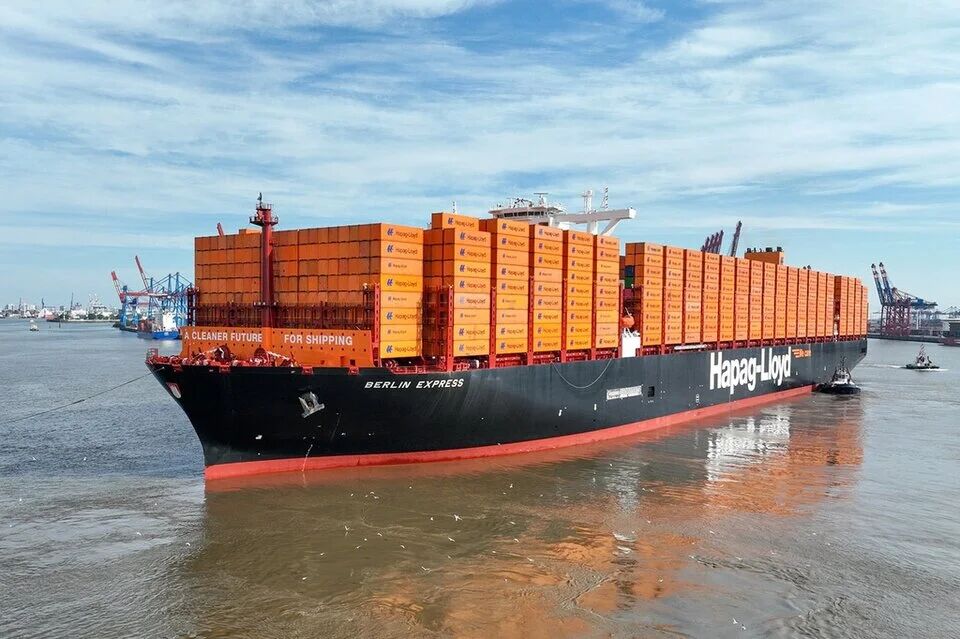
This means that current dry bulk ship ordering activity may have exceeded basic market demand, and some orders are highly speculative.
MSI divides shipowners' ordering motives into fleet renewal, meeting trade growth, and additional ordering based on market expectations and market share considerations. Among these, the first two are basic needs for maintaining existing markets and meeting long-term demand, while the third type of order is more likely to drive market cycle fluctuations. Looking back at the dry bulk ship ordering boom from 2004 to 2008, large numbers of new ship deliveries combined with weakening demand after the financial crisis ultimately led to severe overcapacity in the market.
The tanker market needs to be judged comprehensively in light of fleet aging and geopolitical factors.
Data from shipbroker Banchero Costa shows that from January to September 2026, global shipowners ordered a total of 267 tankers, with total deadweight reaching 67 million DWT, up 267.7% year on year and already exceeding the full-year tanker order volume in 2025. At the same time, in the global operating tanker fleet, capacity of ships over 15 years old accounts for more than 47.5%, and the proportion over 20 years old is close to 21%.
Therefore, the growth in tanker newbuilding orders does not entirely mean that shipowners are expanding capacity; fleet renewal demand is also an important factor driving order growth.
In recent years, geopolitical conflicts, sanctions and changes in trade flows have also reshaped the global crude oil transportation landscape. Some originally shorter transport routes have been lengthened, and the same volume of crude oil requires more ship capacity, pushing up ton-mile demand and driving a sharp rise in tanker freight rates and shipowner earnings. Driven by both fleet renewal demand and improved market profitability, shipowners' willingness to order new ships has further strengthened.
According to Hartland statistics, more than 100 VLCCs will be delivered each year in 2028 and 2029, with an orderbook of 319 vessels, equivalent to 34% of the active fleet. In January-September this year, only 4 VLCCs were scrapped globally, while new orders totaled 172.
But DNV also warns the future market that once conflicts ease and routes return to normal, the currently lengthened ton-mile demand may fall back. In addition, if a large number of old tankers currently in the sanctioned trade system re-enter the mainstream market, they may also bring additional pressure on the future supply-demand balance.
Hot News