

India is expected to become a competitive regional hub for alternative marine fuels
Source:Beyond Shipping
2026-11-04
The report, Study on Potential Demand and Pricing of Alternative Marine Fuels in India, points out that India has the potential to become a competitive regional hub for alternative marine fuels.
The study was jointly initiated by India’s Directorate General of Maritime Administration (DGMA) and the Ministry of Ports, Shipping and Waterways (MoPSW), with support from the International Maritime Organization (IMO)’s GreenVoyage2050 programme. The study focuses on future demand for alternative marine fuels, fuel pricing, and feasible pathways for enhancing India’s competitiveness in this emerging market.
Competitiveness will determine future bunkering locations
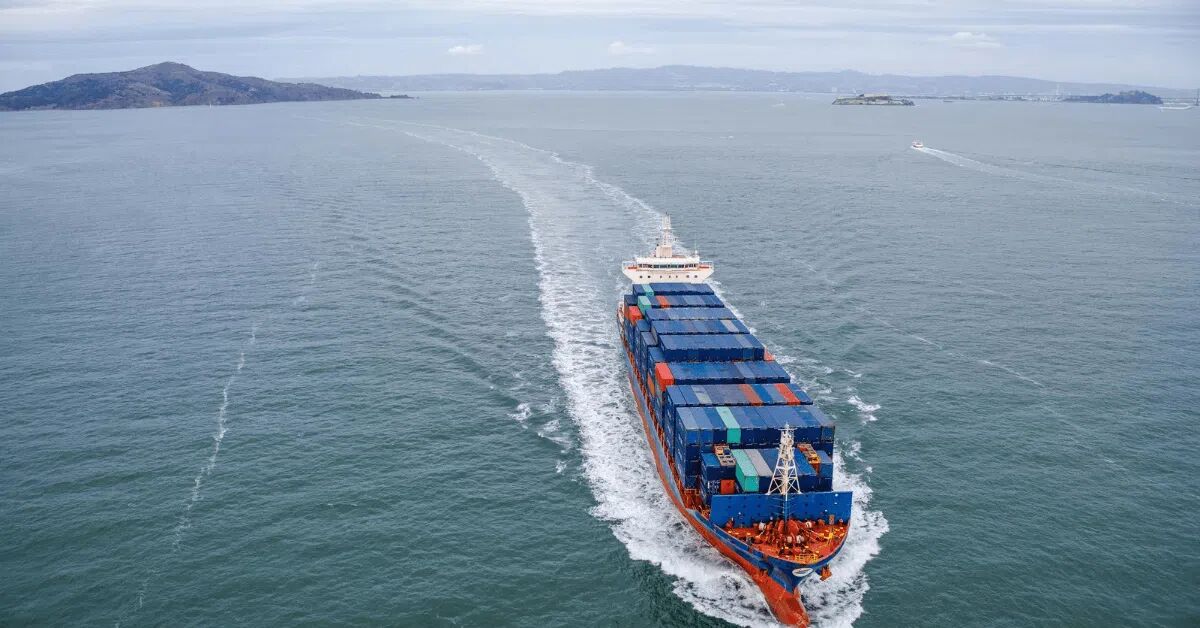
The study identifies a key conclusion: in the future, ships’ choice of bunkering location will depend on competitiveness rather than geographical location alone. Fuel-to-ship costs, operational efficiency, supply reliability and port dues are likely to become decisive factors.
The analysis shows that India is regionally competitive across major alternative fuel pathways. Among them, biofuels and methanol are expected to support the initial development of the market first; as supply chains, infrastructure and safety frameworks gradually mature, ammonia will follow. Whether this potential can be realized depends on whether India can offer an attractive overall bunkering proposition, which requires efficient port operations, clear regulatory procedures, reliable fuel supply and predictable costs.
Shyam Jagannathan, Director General of DGMA, said: “The transition to alternative marine fuels is a major opportunity for India. It can not only promote decarbonization of the shipping industry, but also strengthen national energy security, reduce dependence on imported fossil fuels, create new industrial opportunities, and consolidate India’s position as a leading maritime nation.”
Cultivating market demand based on existing vessel traffic
The report notes that India’s biggest opportunity lies in serving ships already calling at Indian ports, rather than focusing primarily on attracting transit vessel traffic. To promote market development, the study recommends that initial efforts be concentrated on a few strategic ports, including Mundra, Jawaharlal Nehru Port (JNPT), Chennai and Tuticorin. These ports have large cargo volumes and mature shipping activity, and have favourable conditions for developing commercially viable bunkering operations.
On this basis, the study divides future planning into three phases. Phase 1: 2026–2030, establish safe and competitive bunkering operations at selected ports; Phase 2: 2030–2035, scale up mature operations and prepare for ammonia bunkering; Phase 3: 2035–2047, promote the development of multi-fuel bunkering capability and green shipping corridors in India.
The report identifies methanol as the most suitable starting fuel, with the first pilot project planned at Mundra, with fuel supplied from Deendayal (Kandla).
Policy support
According to relevant officials, earlier this year GreenVoyage2050 held a Policy and Investment Dialogue on Alternative Marine Fuels and Bunkering Competitiveness. Based on the above work, the conclusions of this study provide timely evidence and practical recommendations for India’s ongoing formulation of the National Green Shipping Policy. The policy aims to accelerate decarbonization of India’s maritime industry while enhancing its competitiveness and promoting sustainable economic growth.
It is understood that the GreenVoyage2050 programme aims to help developing countries reduce greenhouse gas (GHG) emissions from shipping, in line with the IMO’s strategy for reducing GHG emissions from ships. Through technical assistance, capacity-building, policy support and pilot projects, the programme helps countries explore practical maritime decarbonization pathways while promoting innovation, investment and international cooperation.
The programme remains technology- and fuel-neutral in its technical and fuel choices, and advances implementation through an annual open call for expressions of interest and by responding to technical assistance requests from various parties. Its funding sources include the governments of Denmark, Finland, France, Germany, the Netherlands and Norway, as well as the Integrated Technical Cooperation Programme (ITCP).
Hot News