

One step further! Maersk officially announces the resumption of Red Sea routing for the Gemini ME1 service
Source:Beyond Shipping
2026-11-04
On November 2, Maersk officially announced that Maersk and Hapag-Lloyd will make a structural adjustment to the ME1 service in the “Gemini” network, routing it through the Suez Canal instead of around the Cape of Good Hope.
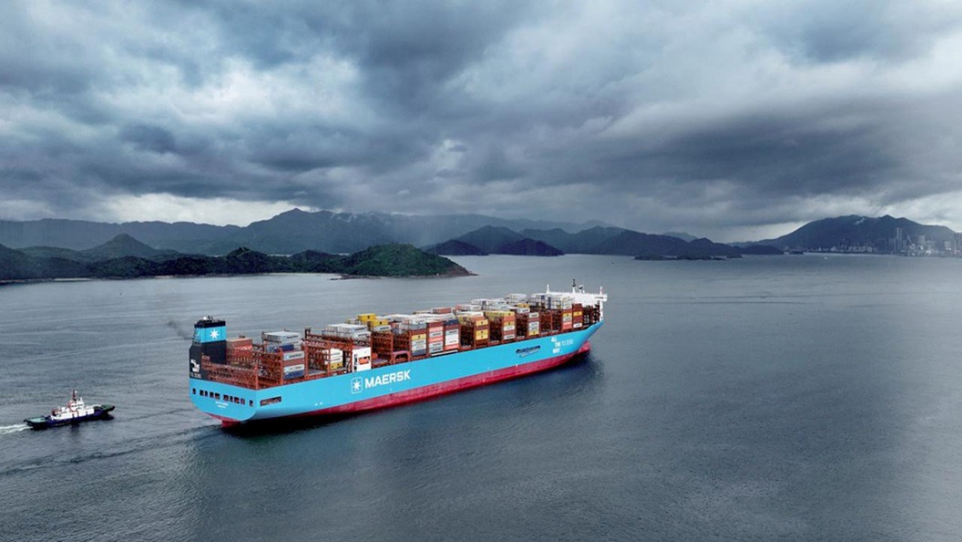
Maersk said that the ME1 service connects India and Europe, and the adjusted port rotation is as follows: Mundra–Nhava Sheva–Salalah–Suez Canal–Tangier–Rotterdam–Wilhelmshaven–Hamburg–London–Algeciras–Tangier–Suez Canal–Salalah–Mundra.
The Suez Canal, as a more efficient shipping route, is an important maritime corridor connecting East and West and a key driver of efficient global supply chains.
Maersk said, “Routing through the Suez Canal and the Red Sea is the fastest, most sustainable and most efficient way to provide transportation between Asia and Europe for our customers. By restoring the ME1 service to the Suez Canal route instead of routing around the Cape of Good Hope, we will be able to provide customers with more efficient transportation.”
Next steps: Maersk said, “Maersk and Hapag-Lloyd will continue to closely monitor the security situation in the Middle East. Any changes to the Gemini cooperation network will depend on continued stability in the Red Sea region. The safety of crew members, vessels and customers’ cargo remains our top priority.”
In short, the current security situation in the Middle East continues to escalate, and two major shipping lanes—the Strait of Hormuz and the Bab el-Mandeb Strait—have both been affected. However, for the container shipping market, the Houthis have honored their commitments, and the pace of returning to the Red Sea is accelerating—faster than expected. This has also become one of the key variables affecting competitive trends in the container shipping market.
Hot News