


CMA CGM CEO: 2050 Net Zero Target Likely Out of Reach
Source:
2026-11-26
One of the shipping industry's most vocal advocates for decarbonization has now admitted that its 2050 net zero emissions target may prove difficult to achieve — just days before a key round of environmental negotiations at the International Maritime Organization (IMO).
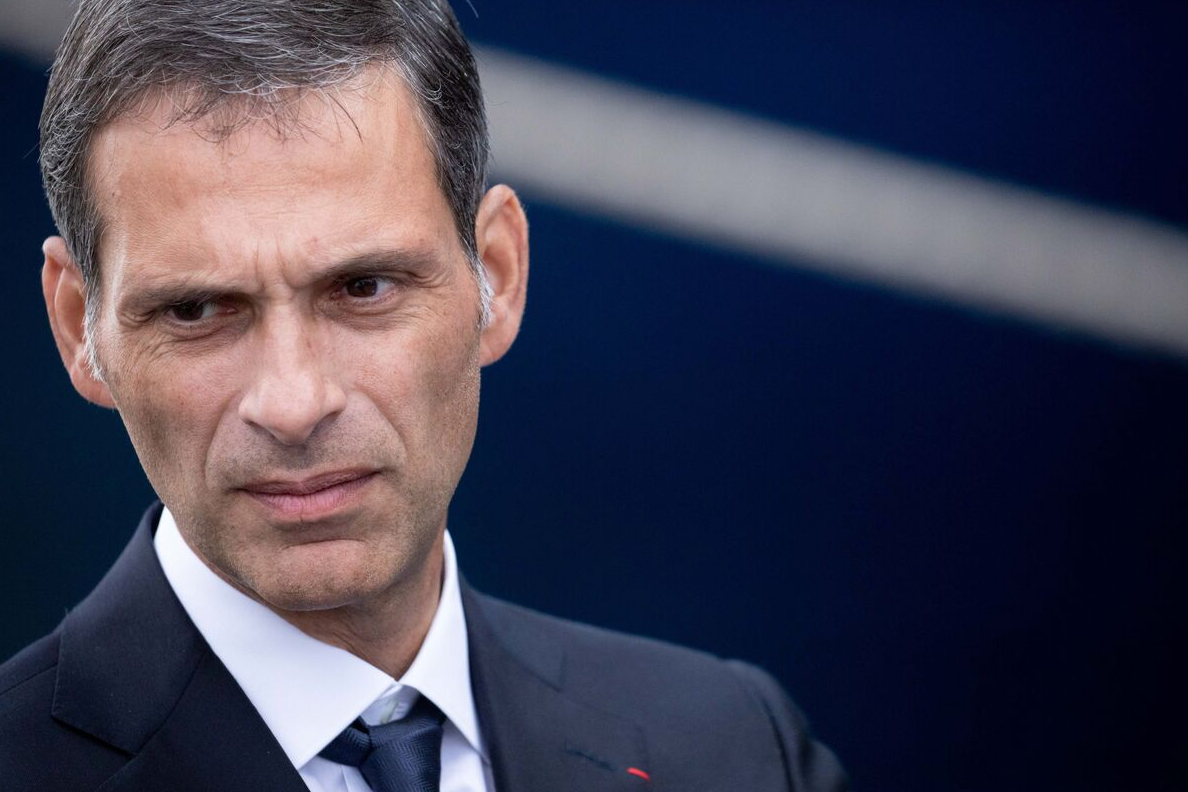
Speaking at the Ocean Economy Congress in Montpellier yesterday (November 24), CMA CGM Chairman and CEO Rodolphe Saadé said the global shipping industry would need to invest more than USD 1 trillion to achieve decarbonization.
"We have to face reality: under current circumstances, we will not be able to meet the target by 2050," Saadé said, pointing to geopolitical conflicts that have lengthened voyages and driven up operating costs, the absence of a unified international regulatory framework, and the slow development of low-carbon fuels.
CMA CGM has committed nearly USD 30 billion to ordering new LNG- and methanol-fueled vessels, with more than 200 dual-fuel ships expected to join its fleet by 2030. The company operates over 700 container ships, more than 400 of which are owned.
His remarks came on the eve of the IMO's Marine Environment Protection Committee (MEPC) meeting, which opens in London next Monday (November 30), where member states will seek to bridge differences over the proposed "Net Zero Framework."
Beyond the net zero goal, Saadé also expressed concern over the outlook for the French flag, criticizing the recurring uncertainty surrounding France's tonnage tax regime. He stressed that container ship investments typically involve commitments of up to 25 years, while employing French-flagged senior officers would add EUR 2 million per vessel in annual operating costs.
The tonnage tax regime covers 86% of the global fleet and has been implemented in 22 European countries, Saadé said. In September this year, CMA CGM abandoned plans to register seven large newbuildings under the French flag, citing the additional tax burden.
Hot News