


Historic Strike! Port Hedland Workers Walk Out Starting Today
Source:
2026-08-10
According to a report by Reuters, Port Hedland in Western Australia—the world's largest iron ore export hub—is facing its first major industrial action in more than two decades. Union officials have confirmed that approximately 150 workers at BHP's operations in the port will proceed with a planned two-day strike this weekend, involving loading bans and a full work stoppage.
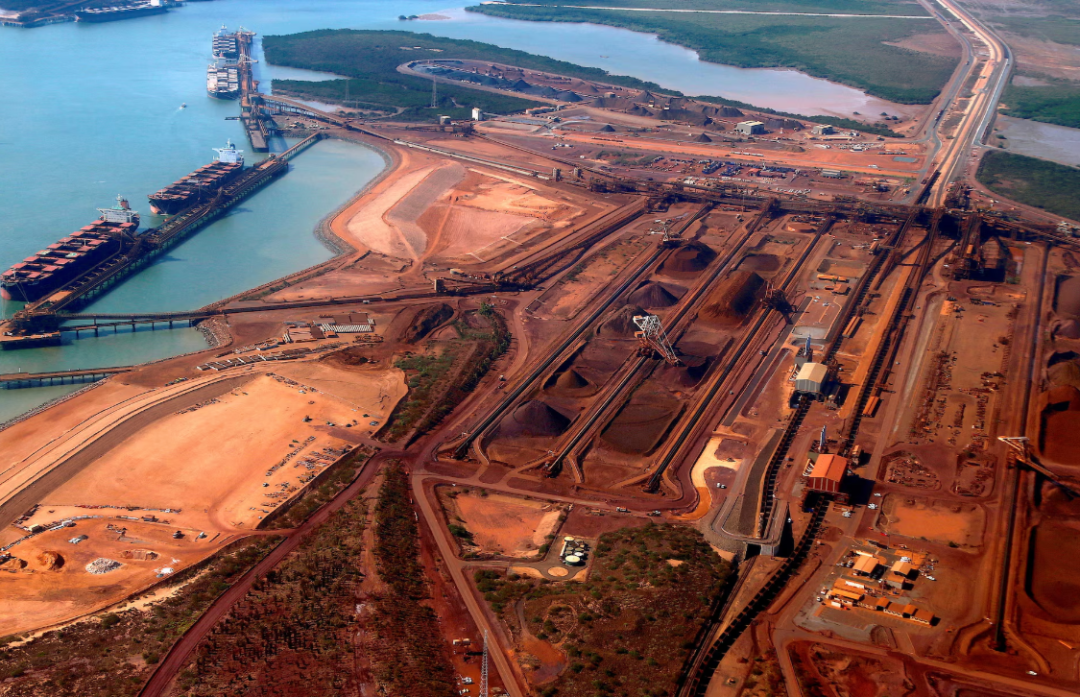
Steve McCartney, Western Australian Secretary of the Australian Manufacturing Workers' Union, stated that frontline workers responsible for loading operations would take action first on Saturday (August 9), implementing a 24-hour loading ban. The following day (Sunday), three unions will jointly conduct a 24-hour stop-work and stand-down. The strike is organised by the Combined BHP Ports Unions (CBPU), which represents about 450 operators and maintenance workers among more than 800 BHP employees at the port.
BHP ships approximately $80 million worth of iron ore daily through Port Hedland. Although the company had previously stated that it had contingency plans in place to ensure operational continuity, BHP had not responded to requests for comment on the specific operational impact of this strike as of the time of publication. According to sources familiar with the matter, approximately eight vessels are expected to be loaded at BHP's berths over the weekend, and the strike could cause some delays to vessel turnaround.
The industrial action is limited to BHP's facilities and will not affect rival companies Fortescue and Hancock Prospecting, which also use Port Hedland. The port accounted for 75% of total iron ore exports from Western Australia's Pilbara region in the year ending June, making it a critical node in the global iron ore supply chain.
BHP and the combined unions have been in negotiations over a new enterprise agreement for more than seven months. The strike comes at a time when BHP's share price is at historical highs, while the cost of living in Australia continues to rise, prompting unions to demand improved pay and conditions. Although both sides made some progress in negotiations on Tuesday (August 5), the unions decided to proceed with the strike as planned to apply pressure on the company.
Hot News