


26 Dockworkers Arrested in Panama on Drug Charges After Two-Year Investigation
Source:CNSS
2026-07-13
A two-year international investigation has culminated in a major breakthrough, resulting in the arrest of 26 port workers accused of transforming the Port of Balboa in Panama into a hub for drug trafficking activities.
According to Australian authorities, Australia worked in cooperation with Panamanian and international law enforcement agencies to successfully dismantle an organised crime network that specialised in smuggling cocaine into the lucrative Australian and European markets.
Investigations revealed that drug trafficking groups, primarily from Mexico and Colombia, had been bribing port employees and contractors over recent years to move more than a tonne of cocaine through this route to Australia and multiple European countries, with the drugs having been seized in various locations.
Following the extensive two-year investigation, Panamanian authorities executed 37 search warrants across the country on July 7, arresting a total of 26 individuals, all allegedly workers at the Port of Balboa.
The arrests were carried out following intelligence sharing between the Australian Federal Police, the Australian Border Force, the Panamanian National Police, the Panamanian prosecutorial authorities, and other international partners. Intelligence indicated that the criminal network was linked to multiple cocaine seizures in Australia dating from October 2024 to the present.
Commander Andrew Donoghoe of the Australian Federal Police for the Americas stated: "Through our collaboration with Panamanian partners, we have struck at the heart of a major criminal organisation that sought to exploit the international supply chain to smuggle significant quantities of cocaine into Australia."
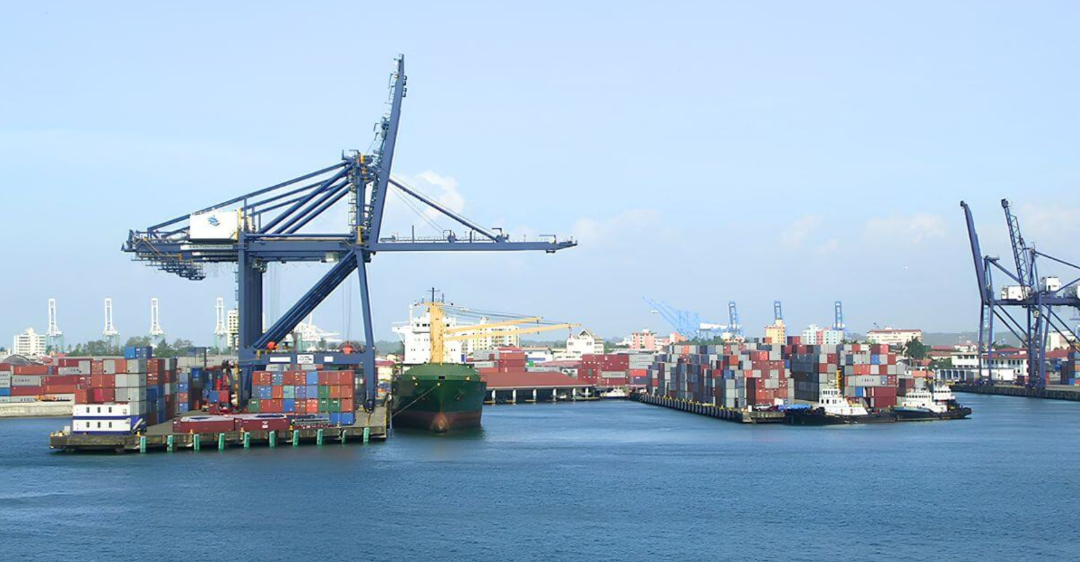
He added that the operation demonstrates the power of international law enforcement cooperation and the crucial role intelligence sharing plays in combating transnational organised crime. According to the US Bureau of International Narcotics and Law Enforcement Affairs, Panama is a hotspot for drug trafficking, owing in large part to its 2,490 kilometres of coastline and its heavily forested border with Colombia.
Authorities stated that in addition to exploiting the country's ports, which handled a cumulative throughput exceeding 9.9 million TEU in 2025, the criminal network also leveraged Panama's dollarised economy to operate its drug trafficking trade.
Hot News