


Russia Plans to Levy $2.35 Billion on Exporters to Build Nuclear-Powered Icebreakers
Source:
2026-09-28
According to a draft government decree published this week by the Russian Ministry of Transport, Russia plans to impose a new “shipbuilding fee” on seaborne export cargo, aiming to raise more than 200 billion rubles (about $2.35 billion) over the next decade to build nuclear-powered icebreakers and expand cargo traffic on the Northern Sea Route (NSR).
Under the draft, 27 Russian companies that use Russian-flag vessels and export goods through Russian ports will bear the fee, set at 20.07 rubles (about $0.2363) per tonne of exported cargo. The fee scheme will last for ten years, until December 31, 2036.
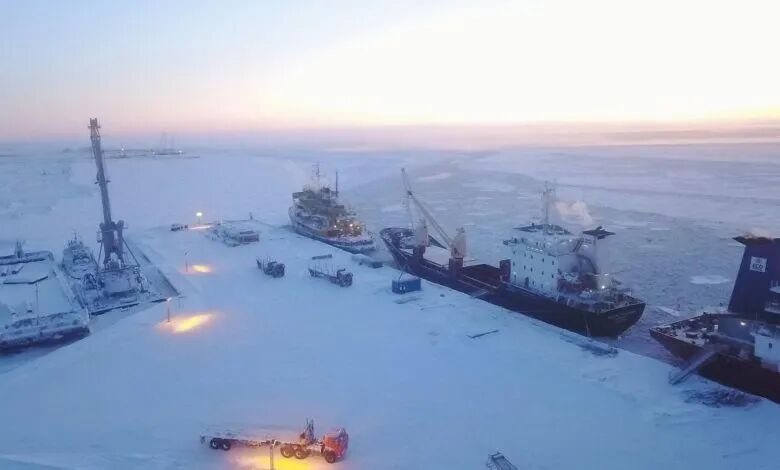
The funds will mainly be used to build the fifth and sixth Russian Project 22220 nuclear-powered icebreakers—“Leningrad” and “Stalingrad”—and will no longer rely on additional direct budget allocations.
However, the costs of these two icebreakers and their accompanying multifunctional nuclear technical maintenance vessel have soared. Russian media reports show that related construction costs have climbed from 143 billion rubles in 2022 to 225.6 billion rubles this year, an increase of nearly 60%. According to Kommersant, the construction cost of each icebreaker has risen from an initial roughly 59 billion rubles to about 85 billion rubles.
In accompanying documents, the Russian Ministry of Transport warned that without increased icebreaking capacity, cargo traffic on the NSR could decline. According to estimates, if the fee is not imposed, user costs for icebreaker services could eventually reach 52 million rubles per day. By imposing the new fee, daily icebreaker escort fees could be reduced to about 16 million rubles.
The introduction of this financing scheme reflects the fiscal predicament Russia faces under a wartime economy. In the first half of 2026, Russia’s budget deficit reached 6 trillion rubles, or 2.6% of GDP, exceeding the full-year 2025 deficit and already accounting for more than 50% of the planned full-year 2026 deficit. With military spending continuing to climb, the Russian authorities have had to seek off-budget channels to finance infrastructure projects.
The fee will fall directly on 27 Russian export companies. The Russian Ministry of Transport said the move is mainly intended to “lower projected rates for icebreaker escort services” and insisted that “shipowners’ expenses will not increase sharply.
The Northern Sea Route is navigable in summer and autumn and can shorten shipping time by up to 10 days compared with the Suez Canal, but its year-round navigability still depends heavily on icebreaker escort. Against the backdrop of continuously escalating Western sanctions, Russia has been relying on a “shadow fleet” to maintain Arctic LNG exports, and insufficient icebreaker capacity has become a key bottleneck constraining its Arctic energy exports.
Hot News