


MISC and PETRONAS Finalize 20-Year Charter Deal for 5 LNG Carriers
Source:Beyond Shipping
2026-10-14
On October 8, Malaysia’s MISC disclosed that it had again finalized a 20-year charter deal with Petronas (PETRONAS) for five 174,000 m³ large LNG carriers. Specifically, on October 8, MISC disclosed that it had accepted Petronas’ letter of award covering five newbuild LNG carriers, with a 20-year charter period, expected to enter operation in 2030. MISC said the series would be built by Hudong-Zhonghua. In fact, according to follow-up reports by Shipping World, after MISC initially signed an order for the first batch of 3+3 LNG carriers with Hudong-Zhonghua, it added a second batch of 2+2 174,000 m³ large LNG carrier construction contracts, officially increasing the scale of the two sides’ cooperation orders to 5+5. Petronas subsequently confirmed 20-year charters for the five firm-order vessels, with charters scheduled to commence between 2029 and 2030.
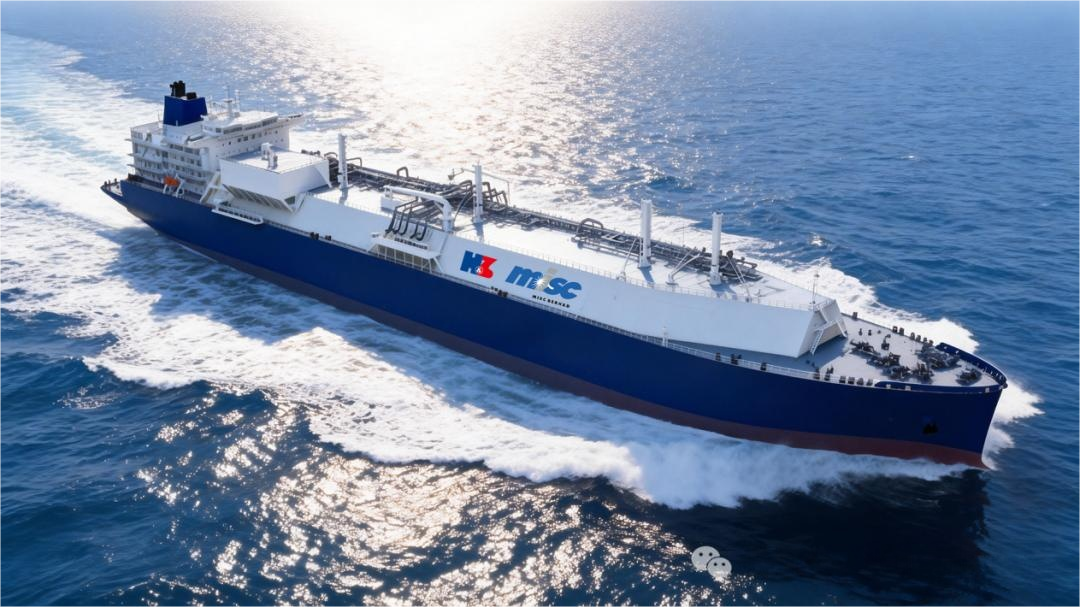
In other words, after finalizing long-term charters for another five LNG carriers, MISC will activate another five optional orders, bringing its confirmed orders at Hudong-Zhonghua to 10 vessels.
This series of 174,000 m³ LNG carriers is the flagship vessel type of Hudong-Zhonghua’s independently developed and designed fifth-generation “Changheng” series. It embodies full-chain independent innovation achievements and is equipped with multiple low-carbon and energy-saving core technologies. Its daily voyage carbon emissions can be reduced by more than 10 tonnes, and its Energy Efficiency Design Index (EEDI) reaches an internationally leading level, deeply aligning with the global shipping industry’s low-carbon transition trend. It adopts the world’s most advanced NO96 Super+ containment system, with best-in-class boil-off rate (BOR) performance, and combines significant advantages such as strong cargo-carrying capacity, low comprehensive energy consumption, and high operational reliability. It comprehensively reaches world-leading levels in key core indicators such as energy efficiency, environmental protection, and cargo storage, making it a preferred vessel type in the global LNG carrier market.
Hot News