


Shipowners Begin to Pull Back as War Risk Premiums in the Region Soar to 20% of Vessel Value
Source:
2026-11-10
The security situation in the Black Sea is worsening further.
Over the past weekend, Russia claimed to have attacked multiple merchant vessels in succession, while Bulgarian authorities discovered human remains on a chemical tanker that had previously been struck by a drone. Meanwhile, the scope of attacks by both Russia and Ukraine is gradually expanding toward the coastal areas of NATO members such as Romania and Bulgaria. Some shipowners and crew members have begun to reconsider whether to undertake voyages in the region, with war risk insurance premiums in the Black Sea surging to an exceptionally high 20% of the vessel's hull value.
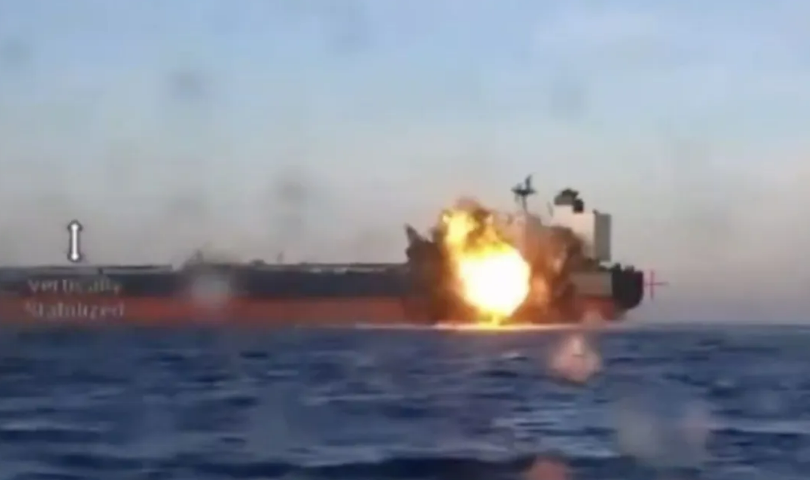
Attacks Expand in Scope
Over the weekend, the Russian Ministry of Defense issued successive statements claiming to have attacked several merchant ships transporting military supplies to Ukraine.
On Saturday (November 7), Russia stated it had hit a dry cargo vessel southeast of Odesa, followed by claims of striking another vessel east of Odesa Port. On Sunday (November 8), Russia announced attacks on a container ship near Chornomorsk and a dry cargo vessel southwest of Odesa. Another statement mentioned a container ship allegedly loaded with military equipment. According to Reuters, Russia's claims on Sunday involved three merchant vessels.
However, the latest round of attacks has not been independently verified, and the identities of the vessels involved, as well as casualty figures, remain unconfirmed. It is currently unclear whether Russia's successive statements refer to different vessels.
Meanwhile, the Bulgarian prosecutor's office announced on Saturday that human remains were found on the San Marino-flagged chemical tanker Wine Trader. The vessel was attacked by a drone off the coast of Romania on October 15 and was subsequently sent to Varna for repairs. Local TV reports stated that the remains of six crew members were discovered, and the prosecutor has ordered DNA testing to confirm their identities. Of the 12 crew members on board during the attack, seven went missing, and five were rescued.
Security agencies in Black Sea coastal countries are also strengthening their response. On Saturday, Bulgaria, Romania, and Turkey launched a joint Black Sea mine countermeasures group, with several naval vessels participating in exercises off the Bulgarian coast.
France has extended the mission of its "Atlantique 2" maritime patrol aircraft deployed in Romania by several weeks. Previously, this aircraft detected three unmanned surface vessels (USVs) and issued warnings to relevant authorities and target ships about an hour before an attack occurred. These USVs subsequently sank the Liberian-flagged container ship Contship Jet, owned by Greek shipowners, off the Bulgarian coast on October 28. The aircraft's commander stated that while the plane could detect incoming threats, it lacked the capability to intercept them.
Overall data indicates that the security risks facing merchant vessels in the Black Sea have risen significantly.
Tomas Alexa, a senior analyst at Ambrey Analytics, stated that from May to October, Russia and Ukraine attacked 317 merchant vessels and other craft in the Black Sea and Sea of Azov, more than triple the 74 recorded in the previous six months. According to Ambrey statistics, a total of 696 security incidents occurred in the western Black Sea, with approximately 537 taking place in Ukrainian waters.
The scope of attacks is no longer limited to the ports and coastal areas of Russia and Ukraine. Waters off Romania and Bulgaria have also become new risk zones. Ambrey noted that of the 10 vessels attacked in this region, nine were linked to Ukrainian trade. Russia typically describes these vessels as transporting military or dual-use goods, but Ambrey stated that there is no evidence of such cargo being transported by vessels attacked in Romanian and Bulgarian waters.
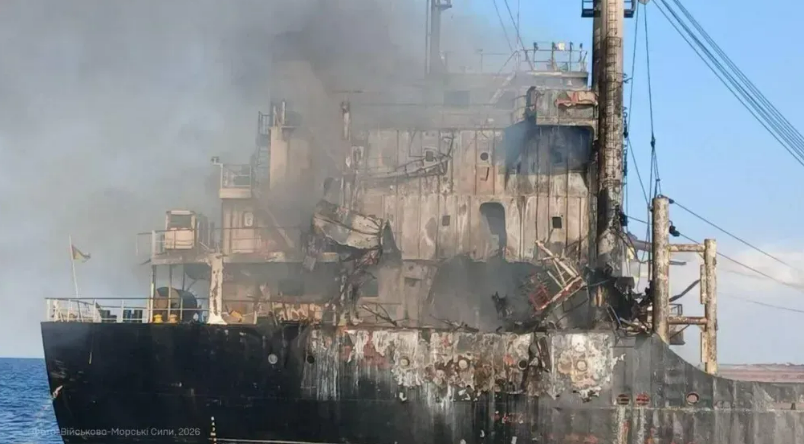
Shipowners Begin to Reassess Black Sea Voyages
The expansion of attacks to the coasts of NATO member states is changing how shipowners and crew perceive the risks of navigating the Black Sea.
Lloyd's List points out that with drone attacks occurring successively off the coasts of Romania and Bulgaria, some shipowners have begun seeking to refuse voyages to local ports, an issue that could even lead to charter party disputes. The market focus is shifting: shipowners, charterers, and crew are considering not just how to bear higher risk costs, but whether they are willing to accept the risk at all.
Tomas Alexa also noted that over the past two years, market risk assessments mainly focused on Ukraine, Russian ports, and eastern Turkish waters. However, recently, demand for risk assessments regarding ports in Romania, Bulgaria, and western Turkey has increased significantly, with some captains and crew becoming reluctant to sail to Romania and Bulgaria.
In his view, the threat to all vessels in the western Black Sea is rising. Even vessels engaged in search and rescue operations could face secondary attacks, blast impacts, or be mistaken for target vessels, thereby facing additional risks.
This shift in risk has already begun to impact actual shipping operations. CMA CGM announced a war risk surcharge of $35 per TEU for cargo traveling to and from Black Sea coastal countries, covering shipments via Constanța, Varna, Burgas, and Poti.
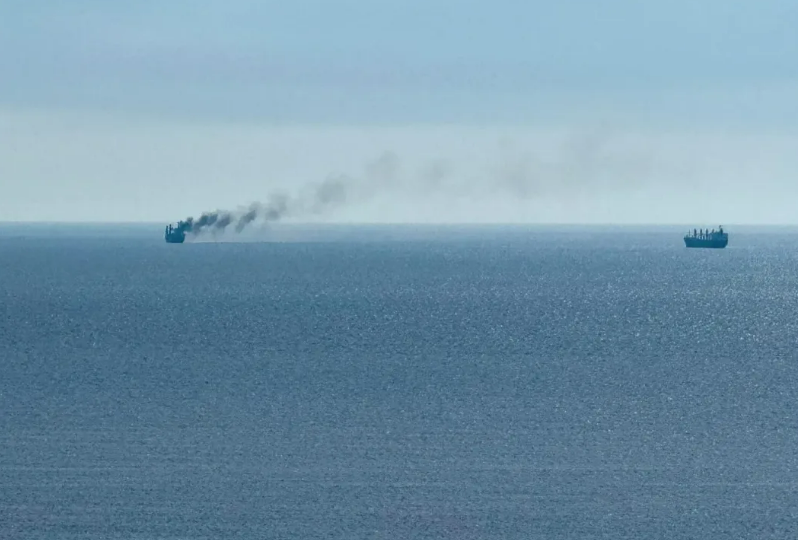
War Risk Premiums Soar to 20% of Hull Value
The deteriorating security situation in the Black Sea is also driving up vessel insurance costs.
Sources in the insurance market stated that for particularly high-risk voyages, Black Sea war risk premiums have reached 20% of the vessel's hull value. This rate is approximately four times that of the "Tanker War" era during the Iran-Iraq War in the 1980s and far exceeds baseline levels from World War II. Lloyd's List noted that current war risk premiums for Black Sea vessels are about 10 times those paid by Atlantic convoy ships.
For a vessel insured for $50 million, a 20% rate would mean a single voyage's war risk premium could reach $10 million. While shipowners can pass part of this cost on to charterers, such exorbitant insurance fees will undoubtedly further increase operating costs for related voyages.
The Insurer previously reported that some vessels docking at the Caspian Pipeline Consortium (CPC) terminal near Novorossiysk, Russia, have received war risk premium quotes of 20%, although most market quotes remain below this level.
From the perspective of the shipping market, the change in Black Sea risks is no longer just a matter of rising insurance costs. As attacks expand to the coasts of NATO members, concerns among shipowners, charterers, and crew regarding voyage safety are increasing. Even if insurance coverage can be obtained by paying higher premiums, whether vessels are willing to enter these waters may become another obstacle affecting Black Sea shipping trade.
Hot News