


Shortage of Ballast Tankers Threatens Gulf Oil Exports
Source:
2026-11-19
According to TankerTrackers.com, the number of tankers sailing in ballast to the Middle East for crude oil loadings is declining. This trend could stall the region's recent momentum in restoring crude oil flows to global markets.
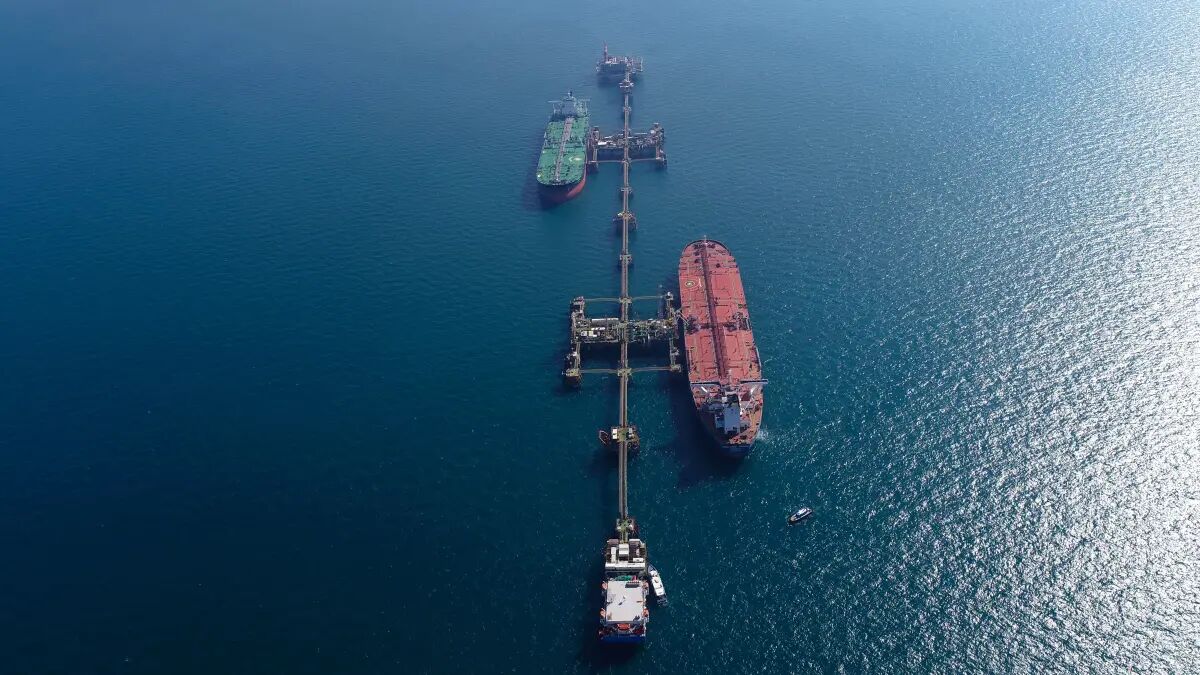
Crude oil shipments from the Persian Gulf to destinations worldwide rely primarily on two vessel types: Very Large Crude Carriers (VLCCs), each capable of carrying 2 million barrels, and Suezmax tankers with roughly half that capacity. Data from TankerTrackers.com shows that the combined capacity of VLCCs and Suezmaxes sailing in ballast toward the Middle East has fallen by approximately 40% since late August.
Markets are closely watching how much oil the Middle East is actually shipping out, but none of that crude can leave until tankers consistently arrive at loading ports. The Iran conflict has deterred some vessels from transiting the Strait of Hormuz, with cargoes instead being transferred to willing ships at anchorage points in the Gulf of Oman.
"Ballast tonnage is simply not sufficient to move the oil out of the region," said Samir Madani, Co-Founder of TankerTrackers.com. "Getting oil through the Strait of Hormuz into the Gulf of Oman is one thing, but there doesn't seem to be enough capacity to carry it further from the Gulf of Oman to final destinations."
He added that, overall, the region's oil outflows have declined so far this month, but the reasons, the precise scale of the drop, and how long it might persist remain unclear. However, the number of vessels conducting ship-to-ship (STS) transfers outside the Persian Gulf remains elevated, so deliveries to customers can continue for now.
Over recent weeks, tanker freight rates have pulled back from record highs, which helps reduce the cost of delivering crude to buyers. A shortage of available ballast tonnage, however, would provide upward support to rates.
During the conflict, Iran has continued to attack shipping, deterring vessel transits. According to data from the International Maritime Organization (IMO) and the United Kingdom Maritime Trade Operations (UKMTO), the number of formally reported incidents surged last month and remains at an elevated level so far in November.
Hot News