


8 CMA CGM Ships Trapped in Persian Gulf as Executive Warns of Uncertain Outlook
Source:
2026-08-03
The Maritime Service Network CNSS has learned that French liner giant CMA CGM's Chief Financial Officer, Ramon Fernandez, stated during the company's second-quarter earnings call on Tuesday, July 28, that the company still has eight vessels stranded in the Persian Gulf and unable to exit through the Strait of Hormuz.
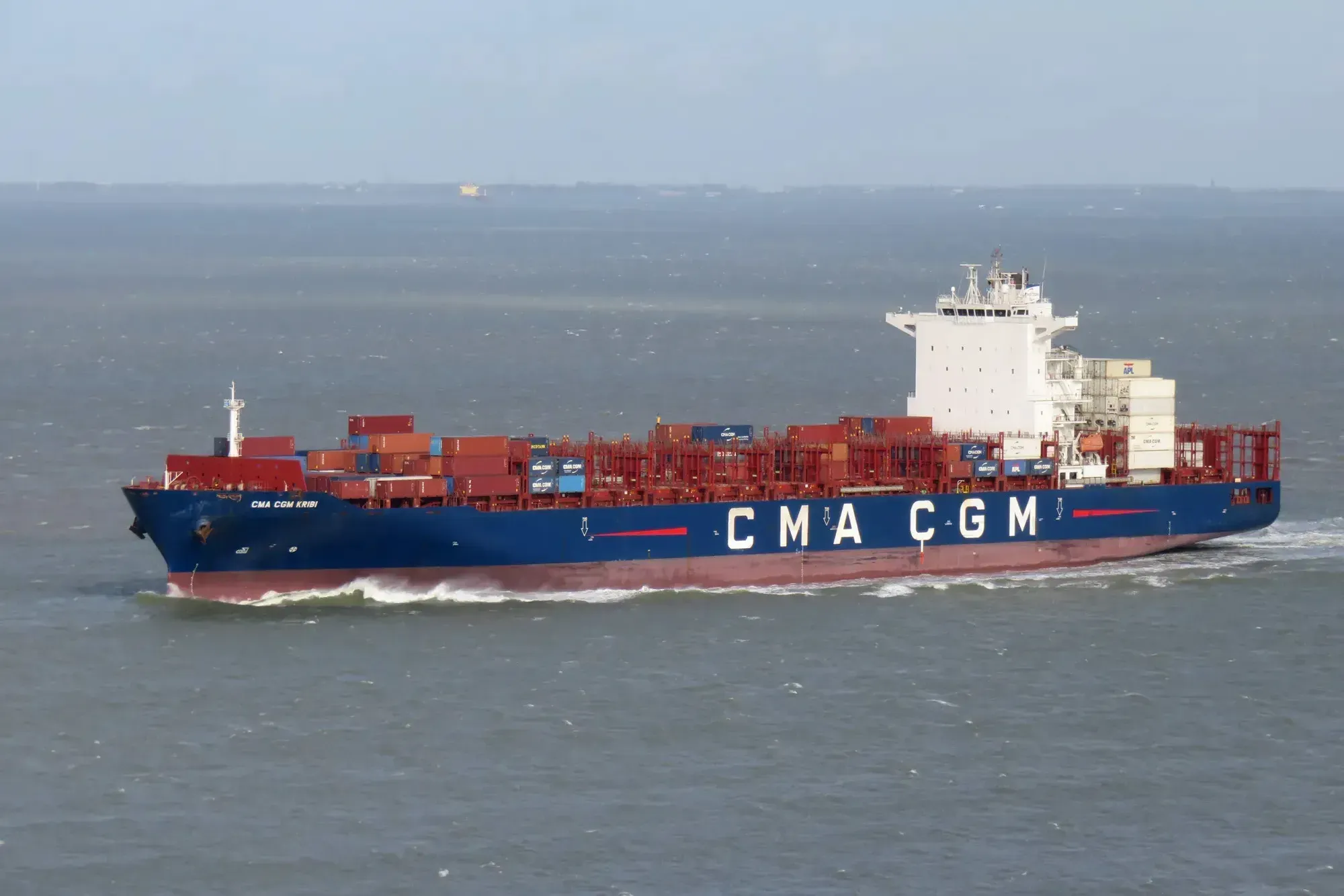
Fernandez said that during the recent easing of U.S.-Iran tensions, the company had managed to reposition some vessels away from the strait, but he described the outlook as still highly uncertain. According to a report by France Maritime, a sister publication of Lloyd's List, Fernandez stated: "The only thing we know is that we do not know [how the situation will develop]." He added that CMA CGM must maintain its agility, make quick decisions, and continuously ensure the safety of its teams operating in the region.
To date, CMA CGM has been able to offset the disruptions caused by the Middle East situation through higher cargo volumes and freight rates, which supported an improvement in second-quarter results following a weak first quarter. In the second quarter of this year, CMA CGM posted revenues of $15.7 billion, up 19.2% year-on-year; EBITDA reached $3 billion, a 31% increase year-on-year. The company said that volume growth helped absorb conflict-related extra costs, including the stranding of vessels in the Persian Gulf, higher insurance premiums, and increased fuel expenses.
To alleviate the pressure from rising fuel costs, CMA CGM imposed an emergency bunker surcharge effective August 1, following a renewed surge in marine fuel prices driven by heightened tensions in the region. The surcharge applies to both long-haul and intra-regional routes, ranging from $75 to $165 per TEU depending on the route and container type. Fernandez said that third-quarter volumes remained robust as customers continued to take precautionary stockpiling measures.
Under a memorandum of understanding signed by the U.S. and Iran on June 17, the Strait of Hormuz was expected to be reopened to commercial shipping, with no additional fees for at least 60 days. However, efforts to restore normal navigation have been complicated by disagreements between Iran and Oman over operational control of the waterway, including the routes that ships should follow.
During this period, the International Maritime Organization (IMO) was able to implement a partial seafarer evacuation plan, successfully transferring 136 vessels carrying 2,900 seafarers through two alternative routes. But the process was later suspended due to a renewed escalation of hostilities and continued attacks on commercial vessels. The latest IMO data shows that about 6,000 seafarers remain stranded in the region. In early July, the U.S. resumed strikes against Iranian targets, followed by Iran's retaliatory attacks on U.S. military facilities in the region, further adding to the uncertainty facing commercial operators navigating the area.
Hot News