


Container ship demolition volumes hit an all-time low
Source:
2026-07-24
According to the latest statistics from shipping analysis agency Alphaliner, the global container ship demolition market remained sluggish in the first half of 2026, continuing last year's downturn, with commercial scrapping volumes staying at record-low levels. Although the total demolition capacity in the first half appeared to recover somewhat when including vessels lost due to accidents and those under sanctions, the number of purely economically motivated demolition transactions remained very limited after excluding these non-commercial factors.
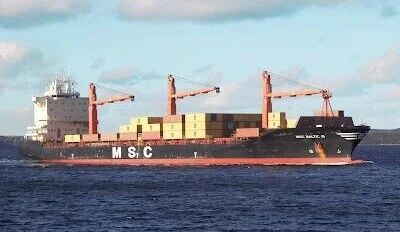
Data show that a total of 11 container ships were sent for demolition in the first six months of this year, with a combined capacity of approximately 36,700 TEU. However, nearly 32,000 TEU of this demolition capacity stemmed from specific contingency events, such as the retirement of the "MSC BALTIC III" following a grounding accident. In addition, the United States imposed sanctions on certain vessels in 2025 for alleged "links to Iran," leading to the forced scrapping of five vessels previously chartered by SeaLead Shipping, with capacities ranging between 5,800 and 6,969 TEU.
When excluding both accident-related and sanction-related factors, purely market-driven commercial demolition transactions in the first half amounted to only five cases, with a total capacity of just about 4,800 TEU. This figure underscores the current reluctance among shipowners to scrap older vessels—even those approaching the end of their service life—preferring to keep them in operation rather than send them for demolition.
Among the limited commercial demolition cases, the scrapped vessels were all small, older types, with individual capacities ranging from 342 TEU to 2,000 TEU. Among them, the "MOKHIA" (1,994 TEU), built in 1983, was the oldest vessel scrapped in the first half of this year, at 43 years of age. Overall, the average age of vessels scrapped in the first half was 27 years, down from 30 years last year, reflecting to some extent that a number of relatively younger vessels were prematurely withdrawn from service for non-economic reasons.
In terms of scrap prices, regional differences were significant: prices on the Indian subcontinent (including India, Bangladesh, and Pakistan) ranged from approximately $420 to $480 per metric ton, while Turkish scrapyards offered relatively lower prices, at about $280 to $290 per metric ton.
Alphaliner noted that the primary reasons for the prolonged low level of commercial demolition are the strong performance of the container market, robust tonnage demand, and firm charter and freight rates, all of which encourage shipowners to continue operating older vessels. In the current profitable market environment, demolition proceeds are far less attractive than the profits generated by continued operations.
Hot News