


Everllence Targets the Unmanned Vessel Market
Source:
2026-11-24
Engine manufacturer Everllence is accelerating the development of its Unmanned Surface Vessel (USV) propulsion solutions. The company's 175D high-speed marine engine is expected to support continuous unmanned operations for up to 1,500 hours in the future.
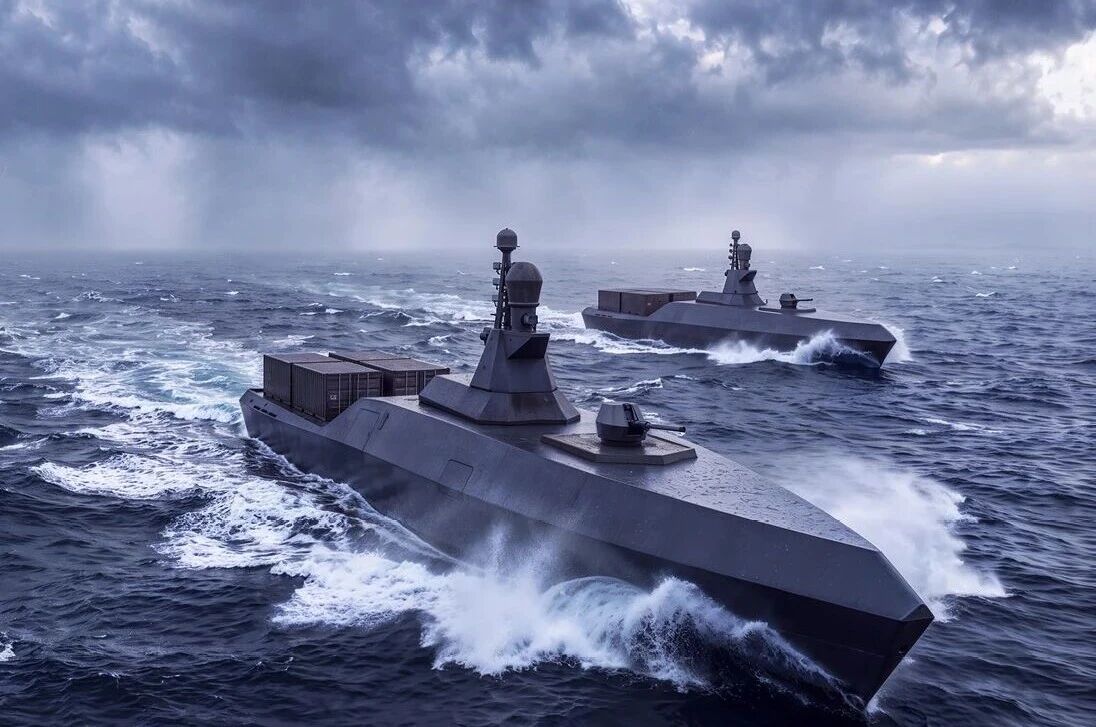
According to the company, the 175D engine will be applied in a prototype project aiming to achieve up to 1,500 hours of unattended operation. This means the vessel could operate continuously for over two months without any crew on board.
Unmanned surface vessels can be operated remotely, semi-autonomously, or fully autonomously, serving both civilian and military applications. Currently, navies, coast guards, and government agencies worldwide are increasing their investment in related technologies. Meanwhile, the market is placing higher demands on the endurance, reliability, and availability of propulsion systems.
Ruben Fernandez, Head of High-Speed Four-Stroke Marine Engines at Everllence, stated that as mission durations continue to extend, operators are setting higher requirements for equipment uptime. By supporting up to 1,500 hours of unattended operation, the company is poised to meet the market's increasingly stringent demands. Additionally, propulsion systems must possess high operational efficiency to maximize the vessel's continuous working time.
The 175D engine features long maintenance intervals, integrated automation functions, and a structural design that enhances equipment availability. Upgrades tailored for the 1,500-hour unattended operation requirement aim to make this engine suitable for long-duration missions, especially in scenarios where arranging crew on board for maintenance is not feasible.
This high-speed four-stroke engine can serve as either the main propulsion for vessels or for generator sets, with a power range of 1,440 kW to 4,400 kW. Beyond vessels operated by navies and government agencies, the application of this engine on unmanned surface vessels is expected to be further expanded in the future.
Hot News