


Over 7,000 Containers Stranded! U.S. Escalates Sanctions, Cutting Off Cuba Shipping Routes
Source:
2026-09-20
According to foreign media reports, the continued escalation of U.S. sanctions against Cuba is dealing a severe blow to the Caribbean’s shipping and logistics chain. Because Germany’s Hapag-Lloyd and France’s CMA CGM have suspended or restricted services on Cuba routes, more than 7,000 containers carrying food, medicine and other supplies are stranded at multiple Caribbean ports.
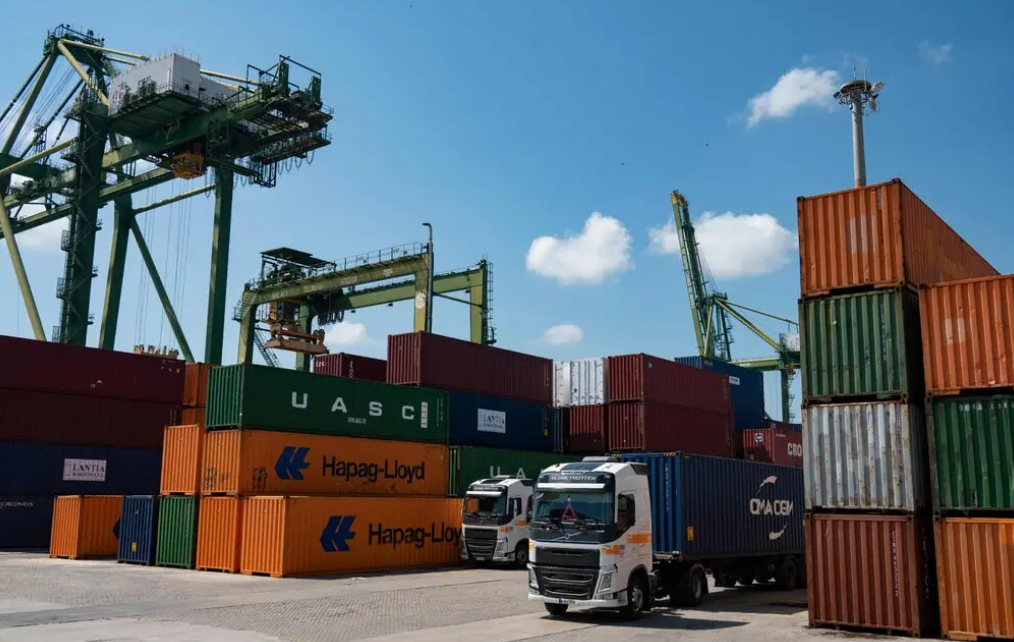
The stranded cargo includes humanitarian aid supplies procured by UN agencies, ranging from solar panels and medicines to colostomy bags. Industry insiders point out that sanctions-compliance risks are being transmitted through carriers, cargo owners and ports, and that the phenomenon of “over-compliance” has nearly brought Cuba’s import logistics to a halt.
Hapag-Lloyd and CMA CGM previously carried at least half of Cuba’s imports combined, including most food. Experts say the two companies’ halt in deliveries to Cuba directly caused the large number of stranded containers.
From a shipping operations perspective, both companies adopted the “suspension of bookings” measure, a common risk-control practice in the industry: first stop accepting new orders, then re-examine transaction details such as customer background, payment processes, agency relationships, terminal cooperation and final consignees, in order to reduce potential sanctions risks. Hapag-Lloyd said in a customer notice: “The company has suspended acceptance of new bookings to and from Cuba. It is currently assessing the situation to determine under what conditions it can continue to provide Cuba route services in the future.” CMA CGM said in a statement: “Following the U.S. executive order issued on May 1, CMA CGM decided to suspend all booking business to and from Cuba until further notice.”
Over 7,000 Containers Stranded, UN Aid Also Blocked
Cuba’s UN ambassador in Geneva, Rodolfo Benítez Verson, said last week at the UN Human Rights Council that more than 7,000 containers bound for Cuba were stranded abroad. He said: “Cruelty knows no bounds. They must answer to the Cuban people; they will not be forgiven.”
Francisco Pichón, UN Resident Coordinator in Cuba, said UN humanitarian relief operations are still waiting for the delivery of 30 containers carrying water treatment kits, antibiotics and other items. He pointed out that there is a very real problem: “over-compliance”—companies taking excessive precautionary measures to avoid exposure to sanctions risks.
In one specific case, a Cuban doctor said a charity he runs in the UK, “Caribbean Aid,” had a Hapag-Lloyd container carrying resuscitation kits, colostomy bags and intravenous tubes worth more than $500,000. The container left Northern Ireland in April and arrived at Cuba’s Mariel port on June 4, just one day before new sanctions targeting foreign companies fully took effect. Hapag-Lloyd decided to stop unloading it; the container was subsequently sent to Panama, and the charity had to pay more than $6,000 in storage fees. Due to the shortage of colostomy bags, Cuban patients are currently using shopping bags instead.
In addition, spare parts from a dismantled power plant in Uruguay were donated to Cuba by the country’s state-owned power company, but because no shipping company is willing to carry them, they have been unable to be shipped out. Cuba has experienced at least five nationwide blackouts this year, with its aging power grid repeatedly collapsing.
Shipping Capacity Plummets, Trade and Humanitarian Impact Intensify
The contraction of shipping capacity is reshaping Cuba’s import trade. Gordon Wilmsmeier, a professor of shipping and global logistics at Colombia’s Universidad de los Andes, said: “As much as two-thirds of total container capacity has disappeared.”
As major liner companies withdraw from Cuba routes, alternative transport solutions face significant bottlenecks. According to shipping data, Cuban ports received an average of about 50 vessels per month in 2025, but by March 2026 the number had plunged to only 11, all from domestic ports, the lowest level since 2017.
Hapag-Lloyd says it is working to resolve the stranded cargo problem, while CMA CGM has resumed limited transport of compliant cargo. But businesspeople, diplomats and humanitarian workers say that given the scale of the backlog, it could take months for all the containers to reach Cuba.
From a shipping and logistics perspective, sanctions spillover, compliance reviews and route contraction are creating a compounding effect. If the relevant measures continue, the recovery of capacity on Cuba routes and the evacuation of stranded cargo will still face considerable uncertainty, and the pressure on the Caribbean regional supply chain is unlikely to ease in the short term.
Hot News