


America's Newest Terminal Suspended After Just Five Years of Operation
Source:CNSS
2026-07-01
The Hugh K. Leatherman Terminal—the first newly built large container terminal in the United States in nearly 15 years, costing close to $1 billion—is being suspended after barely five years in service.
The South Carolina Ports Authority recently issued a statement announcing that, effective August 1 this year, operations at the Hugh K. Leatherman Terminal in North Charleston will be temporarily suspended, with its business consolidated into the Wando Welch Terminal and North Charleston Terminal in Charleston.
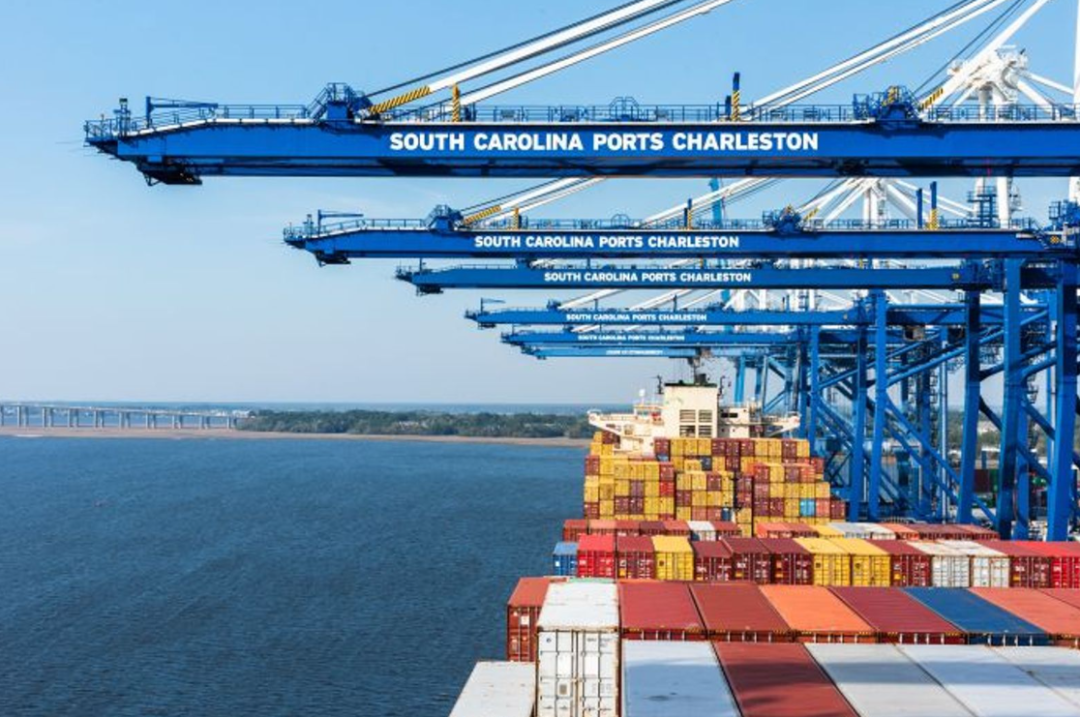
The Ports Authority stated that the decision is based on persistently low throughput volumes and high operating costs, and is aimed at safeguarding the port's cost competitiveness and creating conditions for long-term sustainable growth.
The Leatherman Terminal opened on April 9, 2021. Located on the Cooper River, it was the first major new container terminal to open in the United States since 2009, and was widely regarded as a key growth engine for the Port of Charleston. The first phase was designed to achieve an annual throughput capacity of 700,000 TEU, equipped with a 1,400-foot berth, five ship-to-shore cranes, 25 hybrid rubber-tyred gantry cranes, and a refrigerated container yard. Under the master plan, the terminal's total capacity was to rise to 2.4 million TEU once all three berths were completed.
However, actual operational figures fell far short of expectations. According to local media reports, in the first eleven months of the 2026 fiscal year, the Leatherman Terminal handled a cumulative total of just 75,455 containers, representing less than 10% of its design capacity. Over the same period, the Wando Welch Terminal handled over one million TEU. So far this fiscal year, total throughput for the Port of Charleston stands at approximately 2.2 million TEU, a year-on-year decline of 5%.
The terminal encountered severe headwinds almost from the outset. The International Longshoremen's Association (ILA) clashed with the port authority over control rights and employment issues, filing a lawsuit just weeks after the terminal began operations. This prompted major shipping lines to refuse to shift their business to the new facility, leaving the terminal effectively closed for 21 months. Operations only resumed in September 2024 after a labour agreement was reached between the two parties. This impending suspension marks the second interruption of operations for the terminal.
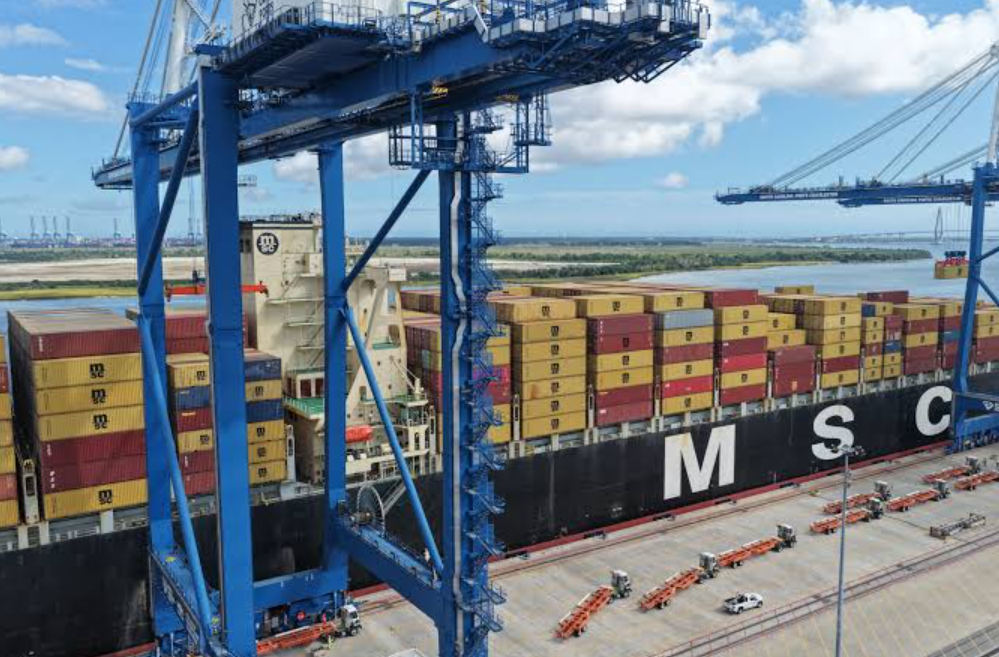
Mediterranean Shipping Company (MSC) is the principal tenant at the Leatherman Terminal, with five of its services calling there. Following the suspension, MSC will be forced to transfer its operations to the other two terminals. Furthermore, one of MSC's services is also slated to suspend calls due to insufficient cargo volumes.
Micah Mallace, President and CEO of SC Ports, stated: "We are working with our ocean carrier partners to implement this business decision in a manner that supports long-term, sustainable growth. Everyone wants to preserve the existing business and attract new business to Charleston." He also emphasised that the adjustment will not impact services to existing customers.
South Carolina State Senator and Chairman of the Senate Transportation Committee, Larry Grooms, acknowledged that the terminal is "too costly to operate at current levels." The Ports Authority stated that there is no definitive timeline for resuming operations, and that the terminal will only be reactivated once cargo volumes through the port are sufficient to justify the simultaneous operation of all three facilities.
Despite the operational suspension, construction of the terminal's second berth continues and is expected to be completed next year. However, the planned $690 million rail yard project adjacent to the terminal has been postponed. Meanwhile, the Ports Authority board discussed at its June meeting the possibility of expanding onto the closed site of the former WestRock Paper Mill to support future growth.
SC Ports is a vital economic engine for the state, generating annual revenues of around $87 million and supporting one in nine jobs across South Carolina. The Ports Authority declined to comment on arrangements for dockworkers. Industry experts widely view the suspension as a short-term adjustment, with the long-term outlook remaining positive.
Hot News