


Japan’s three major shipping companies push for a standardized 42,000 cbm liquefied CO₂ carrier
Source:Beyond Shipping
2026-09-17
As Japan prepares for a sharp increase in carbon capture and storage (CCS) shipping demand, Japan’s three major shipowners have joined forces with leading domestic shipyards to jointly develop a standardized 42,000 cbm liquefied carbon dioxide (LCO2) carrier.
Nippon Yusen Kaisha (NYK), Mitsui O.S.K. Lines (MOL), and Kawasaki Kisen Kaisha (“K” Line), together with Mitsubishi Shipbuilding, Nihon Shipyard, and joint-venture design company MILES, are jointly developing the low-pressure LCO2 carrier design. The design received Approval in Principle (AiP) from ClassNK on Tuesday at the Gastech global gas technology conference in Bangkok.
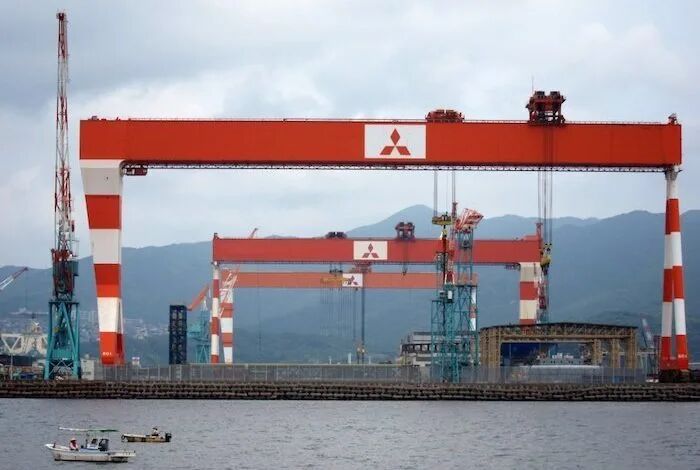
The parties involved said the project aims to create a common vessel platform that can be series-built at various Japanese shipyards, rather than developing a bespoke vessel design for each individual CCS project.
It is understood that the 42,000 cbm design developed under this project has completed a hazard identification (HAZID) risk study for special low-pressure CO2 operating scenarios. The study drew heavily on the practical operational experience of Japan’s three major shipping groups in the gas carrier sector.
This classification society approval is the first tangible result since the companies launched the MILES standardized design framework last year.
As multiple CCS projects in Japan gradually move toward commercial operation, captured CO2 will need to be transported from industrial hubs to offshore storage sites and potentially to overseas storage in the future, and Japan expects demand for liquefied CO2 shipping to expand.
CO2 shipping is still in its early stages, making standardization an increasingly prominent issue. Compared with mature gas shipping markets, the industry is still far from establishing unified standards for vessel size, cargo working pressure, tank materials, and loading/unloading support facilities.
The Japanese partners believe that adopting unified technical specifications can reduce engineering design work, improve construction efficiency, and enable shipyards to achieve large-scale construction of LCO2 carriers.
It is understood that MILES has previously developed two low-pressure LCO2 carrier designs, at 23,000 cbm and 50,000 cbm, while the new 42,000 cbm vessel is the first design produced under the new MILES framework.
Hot News