


Cruise Ship Becomes Athletes’ Village? Japan Houses 4,000 Athletes at Sea
Source:
2026-09-17
On September 15, the Italian-flagged cruise ship Costa Serena docked at Kinjo Pier in the Port of Nagoya, Japan, officially entering service as the official Athletes' Village for the 2026 Aichi-Nagoya Asian Games. This is the first time in the history of the Asian Games that a cruise ship has been used as an official Athletes' Village, and it is also one of the larger experiments in concentrated cruise-ship accommodation at an international multi-sport event.
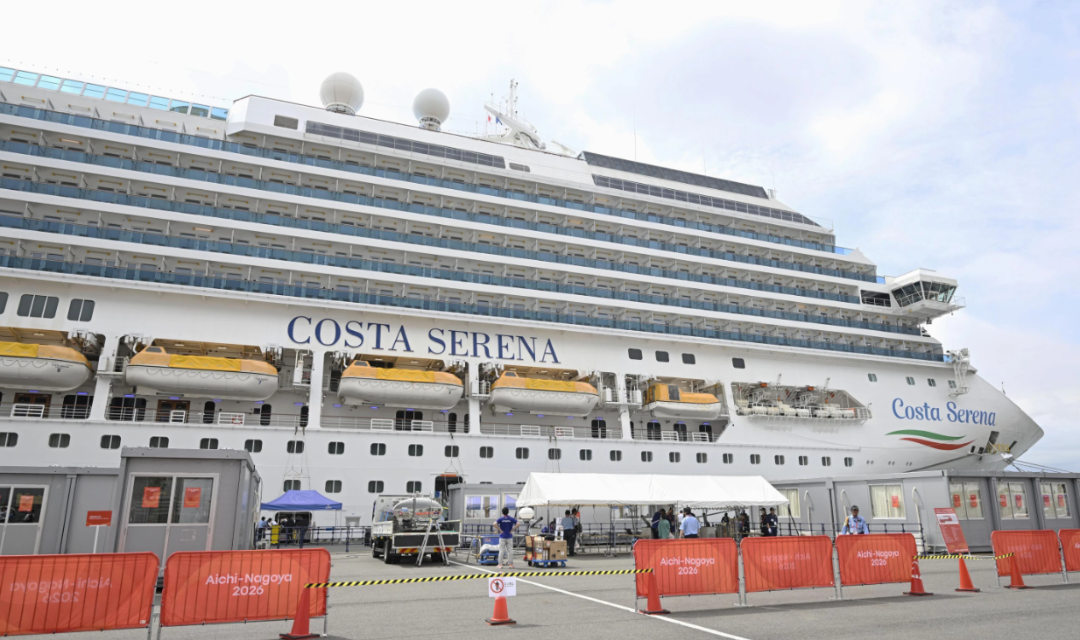
Large Cruise Ship Transformed into Official Athletes' Village
Costa Serena is a 114,500-gross-ton Italian-flagged passenger ship with a length of 290.2 meters, 14 decks and about 1,500 cabins. It is equipped with multiple restaurants, theaters and fitness centers. The Asian Games organizing committee chartered the ship for about US$28 million (4.48 billion yen), and it will remain docked at the Port of Nagoya for 22 days.
The Asian Games in Japan will open on September 19 and run until October 4. Because there is no dedicated Athletes' Village, the organizing committee has adopted a decentralized accommodation plan: about 9,000 people will stay in downtown hotels, about 4,000 on the cruise ship, and about 2,000 in prefabricated container units. More than 17,000 athletes and officials are expected to take part in the Games, including more than 11,000 athletes, a scale larger than the 2024 Paris Olympics. To cope with limited space, many delegations will stagger the arrival times of athletes and officials, freeing up beds for later arrivals after competitors in early events leave.
Given that the event falls during Japan's typhoon season, Costa Serena will normally dock at the Port of Nagoya, but if a typhoon or other severe weather approaches, it will move to open waters to reduce rolling. However, this operation itself creates new problems: once the ship leaves port, shuttle connections between athletes and onshore venues will be interrupted or rescheduled, potentially disrupting the event schedule. Japan has had an unusually high number of typhoons this year, and some Japanese media figures have publicly expressed concern about the arrangement.
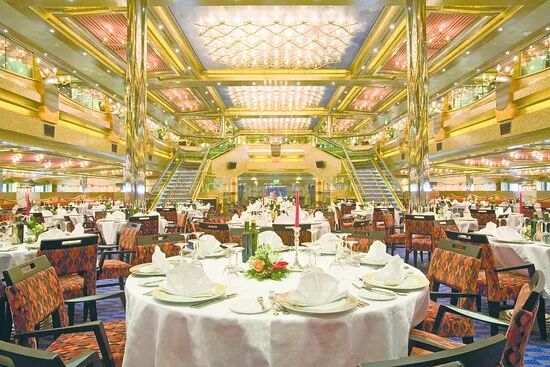
According to Global Times, South Korean sports officials called the accommodation for these Games "the worst ever," and some athletes posted pleas on social media saying "Please help us." Several national Olympic committees criticized the organizing committee for failing to deliver the promised number of rooms, leaving some delegations scrambling to find hotels at short notice.
Chartering an entire cruise ship that is still in its commercial operating cycle for 21 days is essentially temporarily converting a vessel with full hotel functions from a "capacity asset" into "accommodation infrastructure." The organizing committee does not need to build any permanent structures; it only pays rent, and the ship can return to commercial service after the Games.
Historical Precedents and a Breakthrough in Scale
Using cruise ships as athlete accommodation was not pioneered by these Asian Games. During the 2019 Naples Summer Universiade, two cruise ships, Costa Victoria and MSC Lirica, docked at Stazione Marittima in Naples and provided accommodation for more than 4,000 delegation members, seen as an early large-scale practice of a cruise-ship athletes' village. When the surfing competition at the 2024 Paris Olympics was held in Tahiti, French Polynesia, the cruise ship Aranui 5 was used as floating accommodation for surfers, with capacity for about 230 passengers, and is considered the first floating athletes' village in Olympic history.
But those cases all fell into the category of "single-sport, small-scale" or "regional" events. What makes Costa Serena different is that it is providing concentrated accommodation for about 4,000 people at a multi-sport Games involving 43 sports, 45 countries and regions, and more than 17,000 participants. This scale is unprecedented in the history of cruise-ship accommodation for sporting events.
Hideaki Omura, chairman of the organizing committee of the 2026 Aichi-Nagoya Asian Games, said at a welcome ceremony that this was Japan's first use of a cruise ship as accommodation for a major international sporting event and expressed hope that this temporary accommodation model would serve as a reference for hosting financially sustainable sports events. Federico Sias, captain of Costa Serena, said he hoped athletes would have a "comfortable, safe and unforgettable stay," and described the ship that day as not only a destination but also a home where athletes and guests from across Asia could come together in a spirit of friendship, mutual respect and solidarity.
From the perspective of maritime operations, using a large cruise ship as temporary athlete accommodation offers a new asset-utilization model for major event housing, but it also places higher demands on port berthing, ship supply support, weather avoidance, onboard security, catering, and delegation flow management. The operational performance of Costa Serena may provide an important reference for temporary accommodation plans for future large international events.
Hot News