


One in 10 ports expanding as mega-ships add to global capacity pressure
Source:
2026-11-11
As global trade growth, vessel upsizing and ongoing disruptions reshape logistics networks, around one in ten ports worldwide is investing in physical expansion.
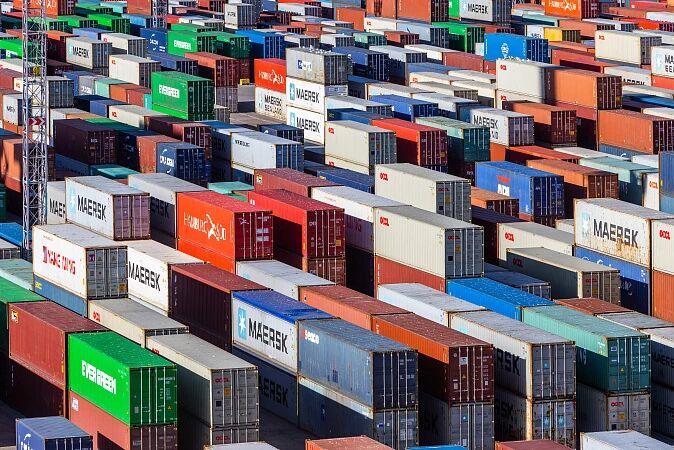
Clarksons Research estimates there are about 6,200 ports globally, handling more than 5 million vessel calls each year. In terms of tonnage, Asia accounts for 45 percent of global port calls, while the top 100 ports handle 42 percent of that volume.
According to the latest Shipping Intelligence Weekly, global seaborne trade has grown by around 1 billion tonnes since 2020 and is expected to reach 14.5 billion tonnes by 2030. Container volumes are forecast to rise 4.2 percent this year to 233 million TEU, reaching 250 million TEU by 2028.
The challenge is not just rising cargo volumes. The average length of vessels currently on order books is 263 meters, about 20 percent longer than the existing fleet, increasing pressure on berths, channels and terminals.
Clarksons said port congestion, measured by the proportion of vessels at anchor, has returned to pandemic-era levels, although average waiting times are 11 hours shorter.
Ports are also facing costly energy transitions. More than 400 ports now have shore power facilities in operation or under construction, over 300 ports are involved in LNG bunkering, and 75 green shipping corridors are being planned or developed.
Hot News