


Sinokor Buys Another VLCC After Iranian Threat
Source:
2026-11-10
Aggressive tanker buyer Sinokor Merchant Marine has quietly moved again to acquire a mid-age oil tanker.
Working with shipping giant MSC, Sinokor has been on an unprecedented buying spree since late last year. It has now been confirmed as the new owner of the 2011-built, 302,845 dwt VLCC Samail, which has been renamed Tonga Prosperity.12
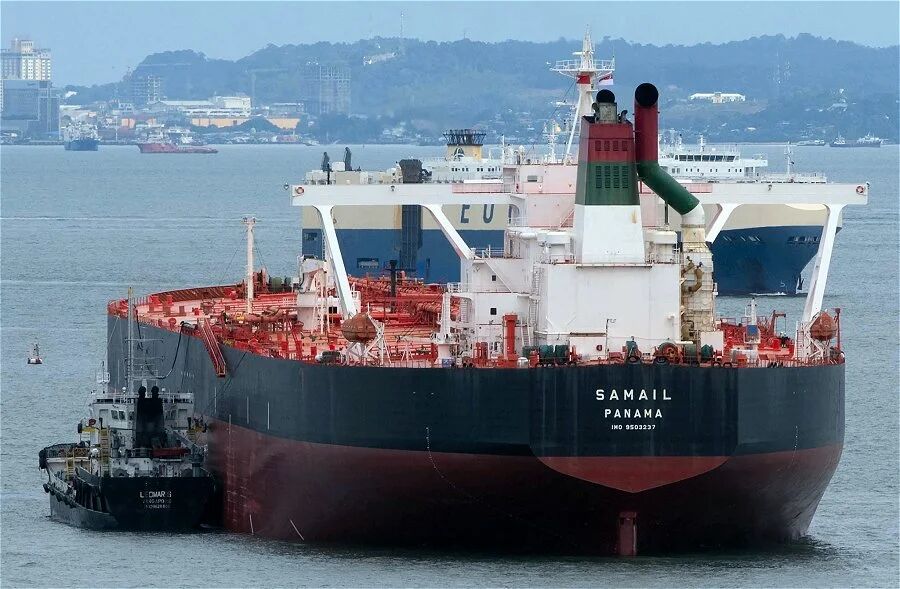
Shipbrokers reported earlier this year that Samail and the 2011-built, 319,439 dwt Seeb had been sold as a package to an undisclosed buyer for $160 million. Oman’s Asyad Shipping announced the sale of the two VLCCs in September, saying the transactions were expected to generate a combined positive profit impact of about $75 million. Asyad added that Samail would remain under its management until October/November 2026, while Seeb is scheduled to stay with the company until January 2027 and has not yet been renamed due to the later delivery date.13
According to Clarksons, Sinokor now operates a fleet of 99 VLCCs with total capacity exceeding 30 million dwt. Equasis data shows the company has taken delivery of 69 new vessels year-to-date, although its expansion pace has slowed since the summer.12
The latest purchase comes as VLCC asset values surge, with Middle East exporters seeking additional tonnage to maintain operations amid disrupted transit through the Strait of Hormuz. Last week, ADNOC Logistics & Services bought a 2011-built VLCC from Greek owners for $153 million to $170 million, underscoring the heavy premium buyers are willing to pay for immediate tonnage. Shipbrokers call this an “immediate delivery premium,” with transaction prices often exceeding newbuilding costs. Allied Shipbroking data shows secondhand VLCC prices rose 3% to 10% over the past month, with 15-year-old VLCCs now valued at around $165 million. However, a 2009-built VLCC offered for sale over the weekend attracted limited interest and failed to trade, possibly signaling a slowdown in market activity.13
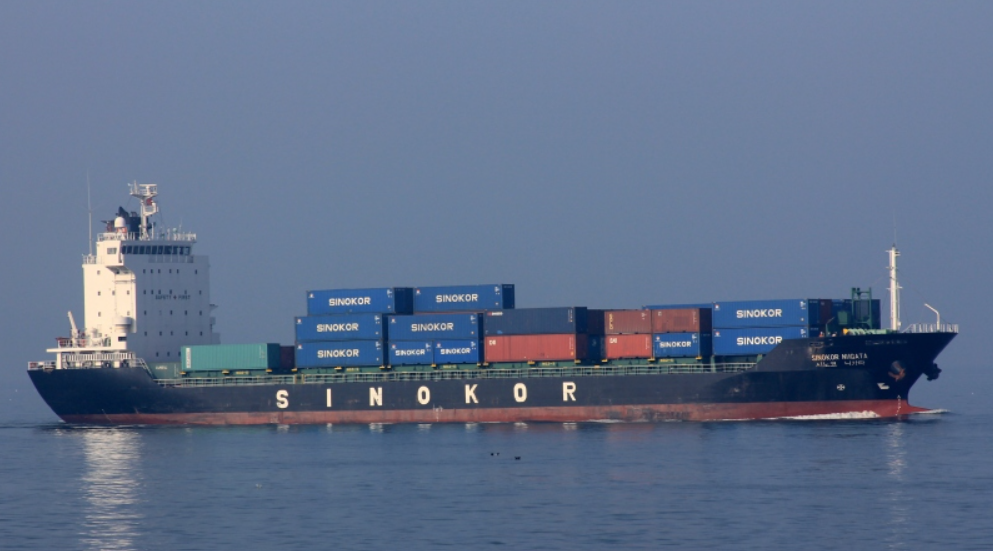
Iranian authorities have recently begun taking legal action against Sinokor, blacklisting at least 46 of its vessels. The Persian Gulf Strait Authority accused the company of having the highest number of passage-rule violations among its fleet over the past three months.14
The Financial Times reported that at least 70 Sinokor vessels have been involved in a trading pattern emerging since the summer: shuttle voyages carrying Gulf oil through the Strait of Hormuz to risk-averse tankers waiting near Fujairah in the Gulf of Oman. The report added that freight rates for those willing to risk passage through the strait have hit record highs, enabling the company to earn hundreds of millions of dollars.
Hot News