


Japan Plans to Subsidize Crude Oil Import Costs Bypassing the Strait of Hormuz
Source:Beyond Shipping
2026-10-15
Japan is preparing to subsidize the extra costs of importing oil from suppliers outside the Strait of Hormuz, a major government intervention aimed at reducing the country’s dependence on the increasingly dangerous waterway.
Japan’s cabinet approved three bills on Oct. 13 aimed at diversifying energy imports, supporting tanker insurance, and funding alternative oil transportation infrastructure.
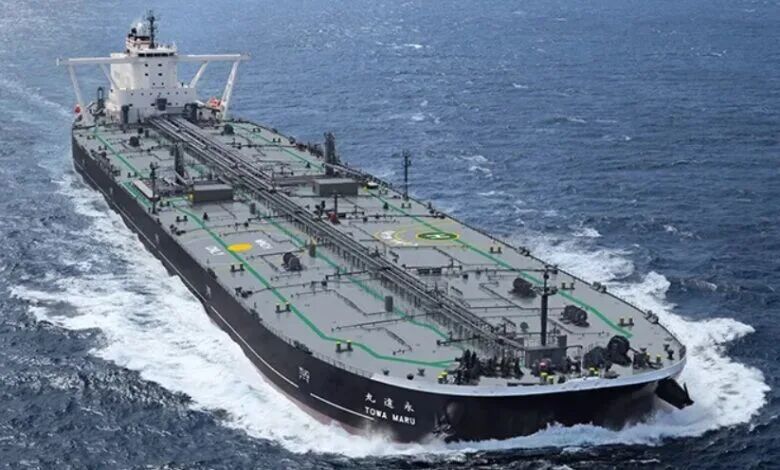
The proposed legislation would establish a subsidy program to compensate refiners, traders, and petrochemical companies for part of the additional costs of procuring crude oil and petroleum products from alternative suppliers.
Last year, 94% of Japan’s crude oil imports came from the Middle East, and government data showed its dependence on the Strait of Hormuz was 93%, although the latter measures source countries, not actual tanker shipments.
Diversifying to suppliers such as the United States would sharply increase tonne-miles and shipping costs. A tanker voyage from the U.S. Gulf Coast to Japan via the Cape of Good Hope could take 45 to 60 days, or 35 days via the Panama Canal, compared with about 20 to 30 days from the Middle East.
The subsidy program would be administered by the state-owned Japan Organization for Metals and Energy Security (JOGMEC), funded by payments collected from oil importers.
The second bill addresses another growing obstacle to energy transportation: marine insurance. Tokyo wants to partially cover hull and cargo insurance claims when international reinsurers are unable to provide coverage due to geopolitical risks. A separate amendment to shipping insurance legislation would extend existing government-backed protection and indemnity arrangements from crude oil to petroleum products and LNG.
The third bill would give JOGMEC additional powers to invest in overseas pipelines that provide alternative export routes and to guarantee financing for them.
Japanese Economy, Trade and Industry Minister Ryosei Akazawa said the legislation is intended to fundamentally strengthen Japan’s energy supply security. The government hopes to obtain parliamentary approval during the current extraordinary Diet session.
The latest report comes amid a change in Iranian tactics. Two senior Iranian officials said Tehran intends to expand attacks to the Gulf of Oman and beyond, partly to keep oil prices high ahead of the U.S. midterm elections in November.
A U.S. military official said that after their radar capabilities were destroyed, Iranian forces are using observers on small boats to identify targets.
Hot News