


Alert! Port Strike Wave Sweeps Three Continents, Hitting Key Global Ports in Succession
Source:
2026-08-06
In recent days, a series of strikes have erupted at several key ports around the world, from Europe to Australia and South America, disrupting port operations and posing severe challenges to international shipping and commodity trade.
Netherlands: Ports Brace for National Strike
Dutch port union FNV Havens has announced a national strike scheduled for September 4, which will severely impact cargo handling at the ports of Rotterdam, Amsterdam, and the Zeeland region.
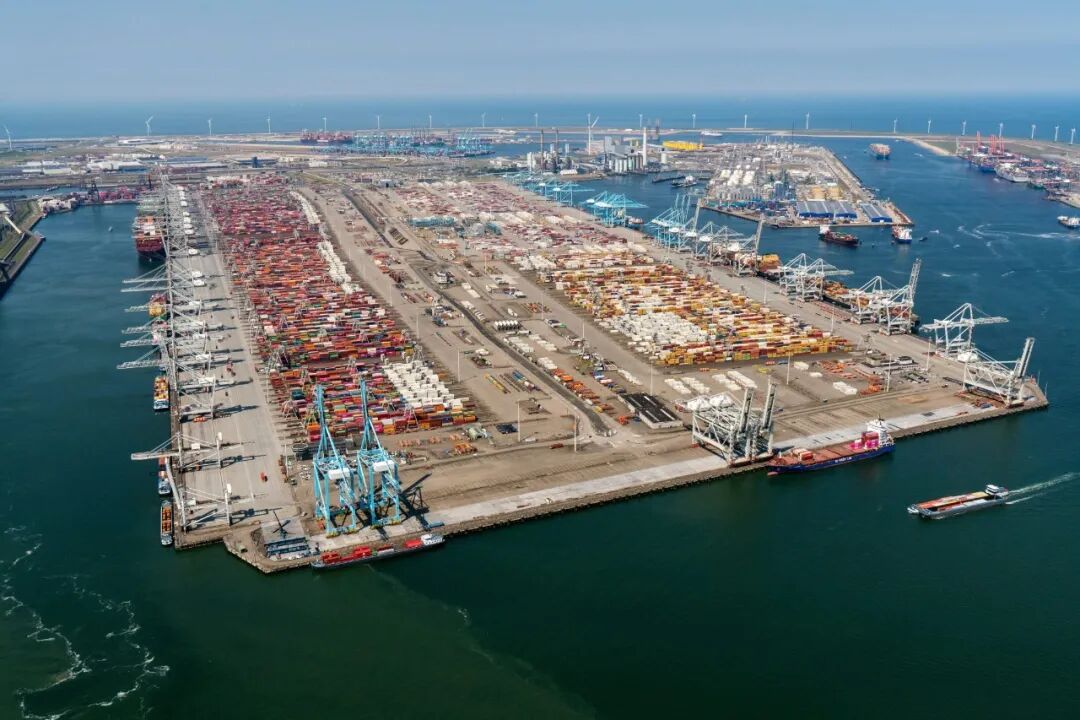
Union members are set to halt vessel loading/unloading and related operations from 11:15 AM to 7:00 PM on that day, covering cargo handling, lashing and securing, towage services, and cargo inspection. The union has warned that the work stoppage could cause significant delays to vessel schedules and cargo flows. Last year, the same union disrupted operations at the Port of Rotterdam through a strike by container lashing workers.
As Europe's largest port, Rotterdam is expected to bear the brunt of the impact, though ports in Amsterdam and Zeeland will also be affected. The precise extent of the disruption will depend on the level of participation from terminals, towage companies, and other maritime service providers.
The strike is set against the backdrop of the union's strong opposition to the Dutch government's plan to cut €6.5 billion (approximately RMB 50.6 billion) in social security spending. Crucially, this dispute is not between the union and individual port employers or terminal operators, but rather part of a broader national protest campaign led by the union.
The FNV union has stated that the government and employers should not achieve other political goals at the expense of cutting social security benefits. "We do not accept that unemployment or disability protection becomes a sacrifice for other political choices. Social security is not the government's cash cow—employees and employers have been paying premiums for years," said Asmae Hajjari, head of FNV Havens.
Port workers had already voted in March of this year to authorize union action, vowing to strike if the government did not revise its plans. Since then, the government has proposed some adjustments, including scrapping a planned increase in the retirement age and slightly reducing the scale of the cuts, but the union deems these concessions far from sufficient.
The union argues that under the current proposal, the unemployed would be forced to deplete their savings and could even lose their homes due to an inability to make ends meet, ultimately relying on public assistance. Furthermore, the union emphasizes that with employment already under pressure from automation, digitalization, and artificial intelligence, further cuts to social security would deal a heavy blow to all workers.
The Port of Rotterdam is Europe's busiest port, handling an annual throughput of approximately 14 million TEUs and total cargo volume of 428 million tonnes. Rotterdam and other Dutch ports also serve as vital hubs connecting ocean shipping with Europe's inland waterway network.
Australia: Strike Threatens World's Largest Bulk Export Port
Meanwhile, in Australia, the Port of Hedland is also facing the threat of industrial action. The Australian union coalition and mining giant BHP remain deadlocked in ongoing disputes.
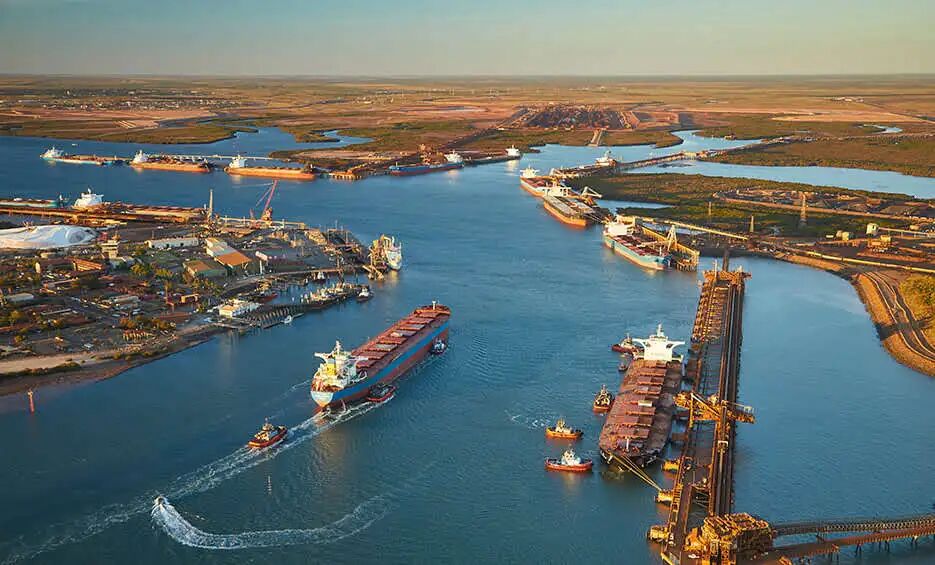
BHP ships approximately US$80 million worth of iron ore daily through the Port of Hedland, the world's largest iron ore export hub.
A negotiation session held on Tuesday (August 4) was seen as a last-ditch hope to avert a two-day strike. However, a union spokesperson said that despite some progress in the talks, the strike at BHP's operations in Port Hedland, Western Australia, will proceed as planned for August 8–9.
The coalition, representing three unions, submitted a notice over the weekend after the previous negotiation session ended without agreement. The union formally notified BHP and relevant authorities that the combined workforce would take protected industrial action under Australian labour law.
In the first phase, a 24-hour ban on vessel loading will be implemented on August 8, followed by a full work stoppage at the Port Hedland bulk export terminal on August 9. A separate union representing electricians has also indicated it will join the work stoppage on August 9.
Port Hedland is one of several ports in the Pilbara region, which together form the world's largest bulk export port complex. Last year, Pilbara ports achieved a record annual throughput of over 804 million tonnes, with export values reaching A$150 billion (approximately US$104 billion). Port Hedland accounts for the lion's share, handling more than 580 million tonnes in the 2025–2026 fiscal year.
The strike will disrupt BHP's iron ore exports and could further impact overall operations at the Port of Hedland, which is already experiencing backlogs and delays. According to a Lloyd's Intelligence report from late June, vessel waiting times had already reached eight days at that time, and the strike would inevitably worsen the situation.
Argentina: Pilot Strike Brings Port Operations to a Halt
In Argentina, maritime pilots have been on an indefinite strike since August 3 to protest a government decree that deregulates pilotage and pilotage services. The union representing the pilots says this policy change could reduce demand for Argentine pilots, thereby threatening jobs.
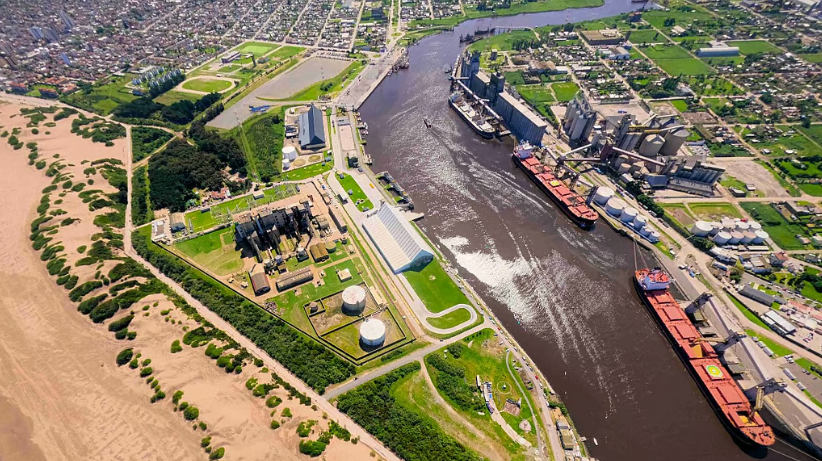
As a result, vessels are unable to enter or leave ports or navigate within port areas, disrupting maritime operations nationwide. The strike has affected multiple Argentine ports, including Bahía Blanca, Rosario, and Buenos Aires.
Some vessel calls and operations originally scheduled at Argentine ports have already been diverted to Montevideo in Uruguay and various ports in southern Brazil. Additionally, bunkering and distribution operations at several locations have been suspended due to the absence of pilots.
According to local sources, more than 100 vessels are currently experiencing delays waiting for inbound or outbound clearance.
Guillermo Wade, manager of the Argentine Chamber of Port and Maritime Activities, said operations at all port terminals have come to a complete standstill. Gustavo Idigoras, head of CIARA-CEC, which represents grain exporters and processors, noted that all grain ports across the country have been affected by the strike.
Hot News