


50 Million TEU in Sight: Container Fleet Set for Largest Capacity Expansion in History
Source:
2026-11-10
The global container fleet is heading toward a historic milestone of 50 million TEU by 2030, raising concerns about a potentially disruptive overcapacity crisis and significant downward pressure on freight rates.
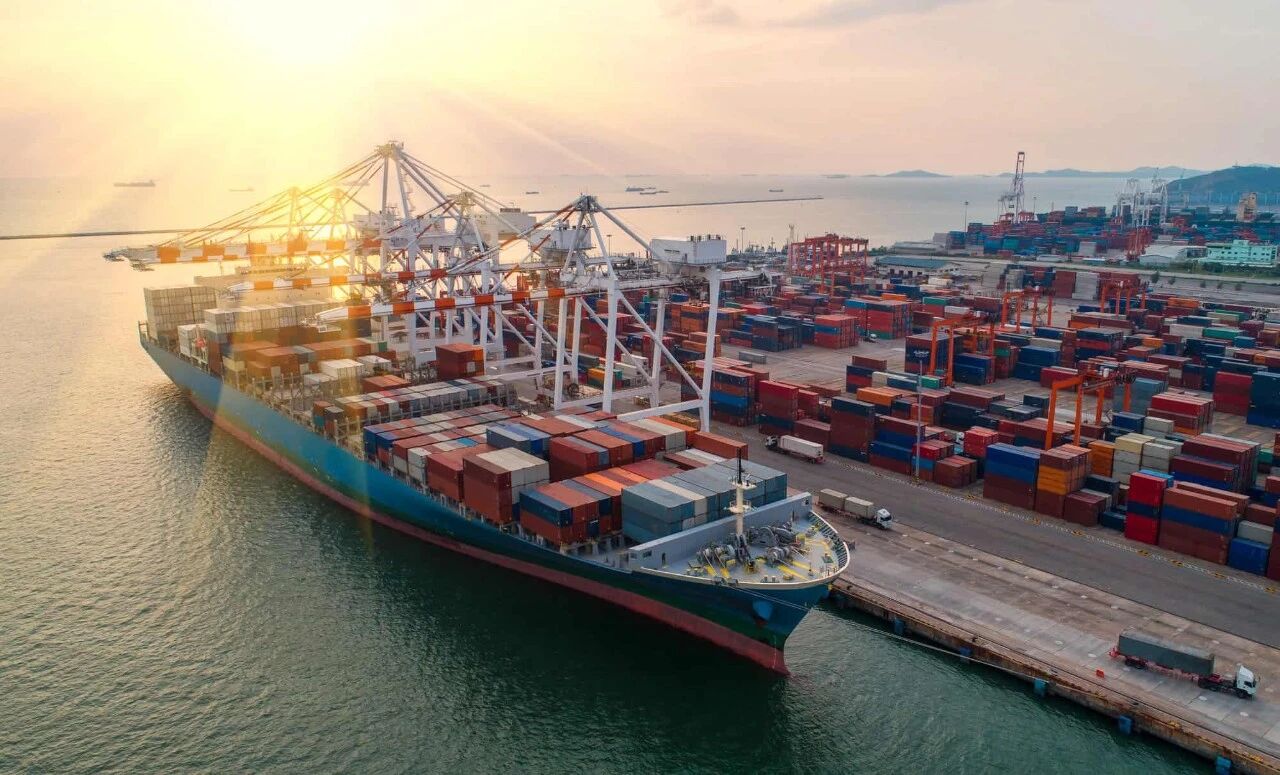
According to the latest analysis by Sea-Intelligence, the global container fleet will grow from the current 34 million TEU to 40 million TEU in the second quarter of 2028, and reach 50 million TEU in the third quarter of 2030, marking the largest capacity expansion in container shipping history.
If the return of Asia-Europe routes to the Suez Canal adds about 8% to effective capacity, cumulative capacity supply growth could exceed 50% by the end of the decade.
The firm also estimates that quarterly newbuilding deliveries will average 1 million TEU between 2027 and 2030, peaking at a staggering 1.8 million TEU in the third quarter of 2028.
Demolition is unlikely to ease the pressure. Even if carriers repeat the record-breaking scrapping levels of 2016 every year through 2030, they would absorb less than 17% of the new capacity, with the fleet still growing at an average annual rate of 8.5%. By 2030, around 10.8 million TEU will be carried on vessels older than 20 years, though Sea-Intelligence doubts carriers intend to scrap anywhere near that volume.
The warning follows an equally gloomy forecast from Xeneta, which expects the fleet to grow by 6.8% next year while demand rises by only 2.5% to 4%. Global spot rates are projected to fall 30% in 2027 compared with the Q3 2026 baseline, while long-term contract rates would decline by 5%.
Sea-Intelligence believes this ordering boom increasingly looks like a move to secure market dominance beyond 2030, possibly positioning ahead of a major reshuffle in liner alliances. MSC has already demonstrated that sufficient scale can allow a carrier to operate without alliance partners.
Hot News