


Global Shipping Organizations Pressure IMO: No Fees for Strait of Hormuz
Source:
2026-08-07
A coalition of global shipping organizations on Wednesday (August 5) called on the United Nations and the International Maritime Organization (IMO) to ensure that no mandatory transit fees or charges are imposed on vessels passing through the Strait of Hormuz.
The signatories include the World Shipping Council, the International Chamber of Shipping, BIMCO, the European Community Shipowners’ Associations, Intertanko, and the International Association of Dry Cargo Shipowners. The groups expressed deep concern following recent reports that Iran and Oman are holding consultations on future arrangements for passage through the strait, which could include levying tolls on transiting ships.
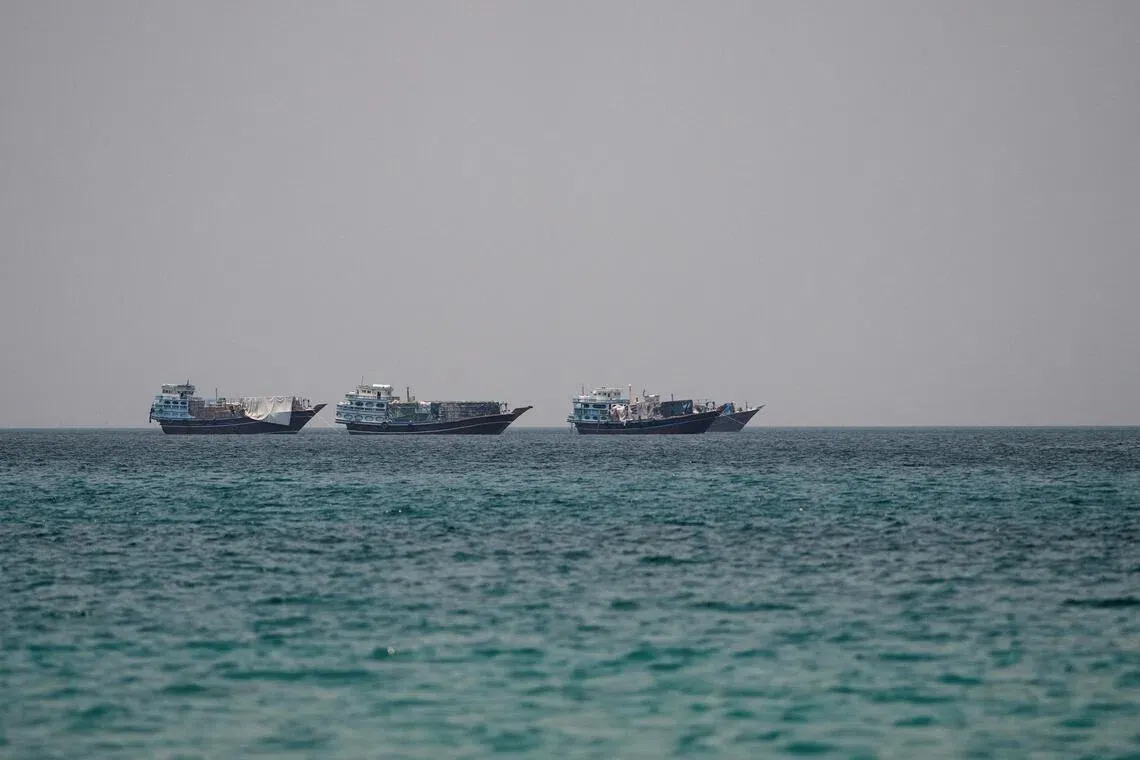
In an open letter addressed to UN Secretary-General António Guterres and IMO Secretary-General Arsenio Dominguez, the organizations emphasized that freedom of navigation through the Strait of Hormuz is protected under international law and must be upheld.
“While consultations are conducted regarding regional security and conflict resolution, we must ensure that internationally recognized navigation rights are not compromised, nor used as bargaining chips in broader political negotiations,” the letter stated.
“Imposing mandatory transit fees on vessels transiting the Strait of Hormuz, or charging service fees that—though not called 'tolls'—are functionally equivalent, would represent a serious departure from accepted international practice.”
Freedom of navigation in the Strait of Hormuz is protected by the United Nations Convention on the Law of the Sea (UNCLOS) and is a long-established legal principle. However, amid a six-month-long ongoing conflict with the United States, Iran has declared the strait closed to maritime traffic. Over the past two weeks, several commercial vessels have been attacked by Iranian missiles or drones.
The shipping organizations warned that introducing transit fees in the Strait of Hormuz could set a precedent that would make it more difficult to resist similar measures elsewhere in the future, thereby “introducing uncertainties for international shipping and global commerce.”
The groups stated that such a move would not only directly affect global trade but would also set a dangerous precedent, eroding the current international legal framework that governs transit passage through international straits. They further noted that increased shipping costs would inevitably cascade along supply chains, ultimately pushing up energy prices, intensifying inflationary pressures, and exacerbating economic uncertainty—consequences that would ultimately be borne by ordinary people, affecting livelihoods around the world. Upholding freedom of navigation as a cornerstone of international maritime governance must remain a sustained priority.
Although not mentioned in the open letter, another critical international shipping chokepoint is the Bab el-Mandeb Strait at the entrance to the Red Sea, which is currently controlled by the Houthi rebels based in southern Yemen.
The Houthis have banned Saudi vessels from transiting the strait and have repeatedly attacked oil tankers bound for Saudi ports, though they have not yet announced any plans to impose fees on vessels using the waterway.
Hot News