






Northern China's First National-Level Seafarer Assessment Centre Officially Opens
Source:Tianjin Maritime Safety Administration
2026-06-25
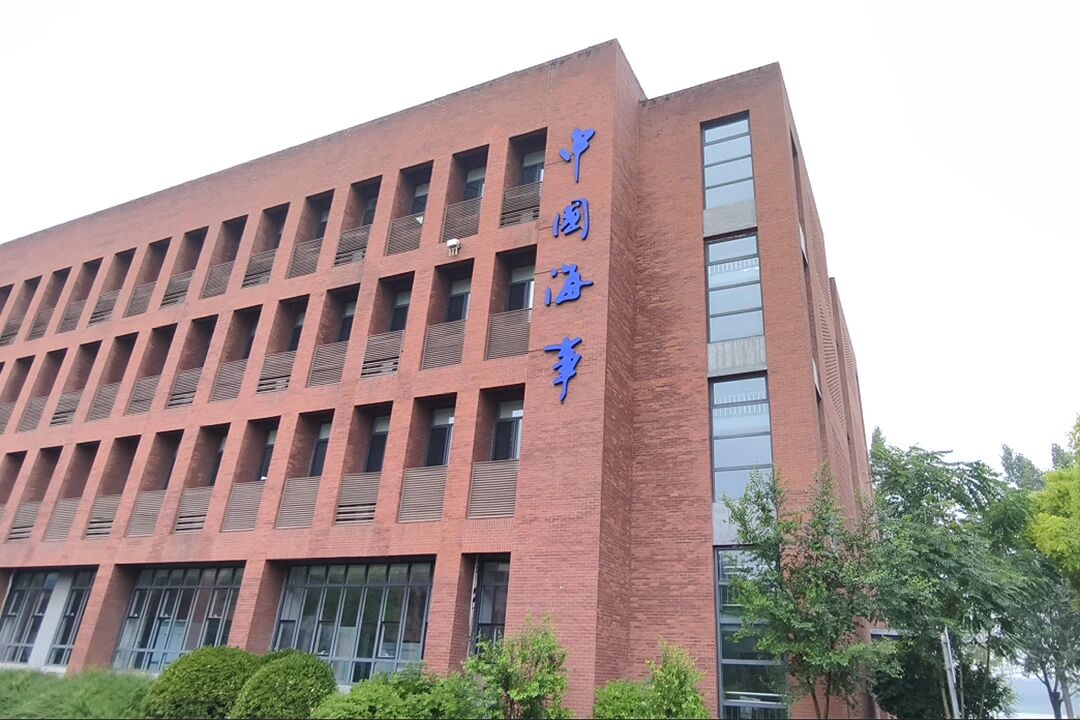
On June 23, the Tianjin Maritime Safety Administration Seafarer Assessment Centre—the first national-level seafarer assessment centre in northern China—was officially inaugurated. This milestone is of great significance for enhancing the soft power of international shipping and supporting the high-quality development of China's seafarer workforce.
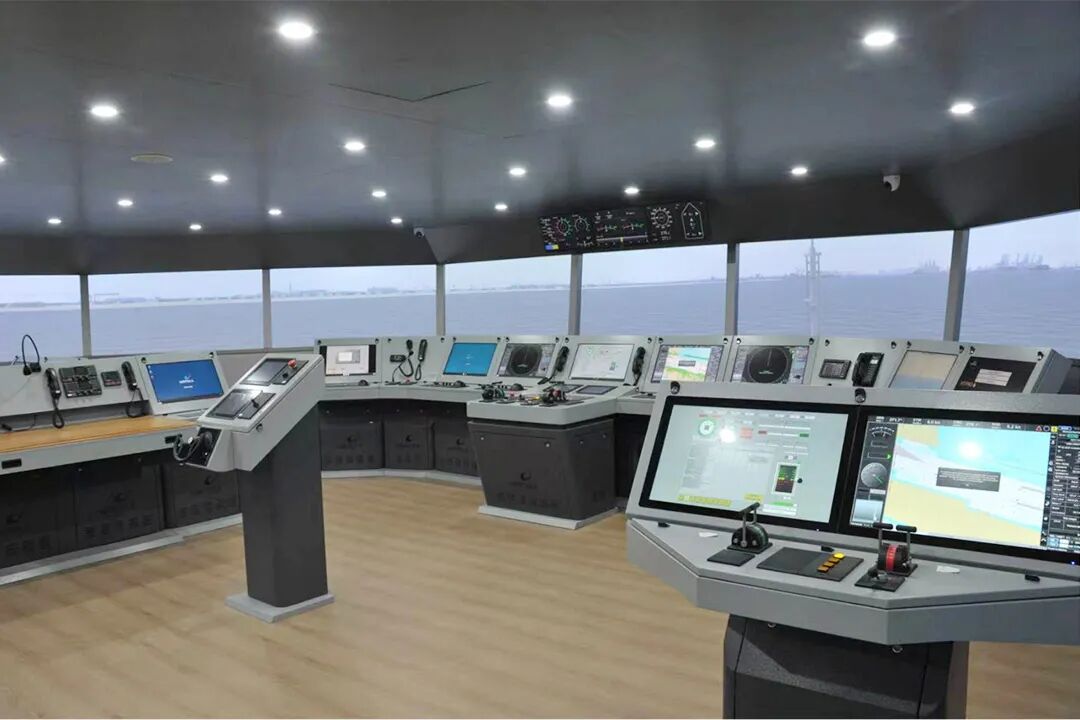
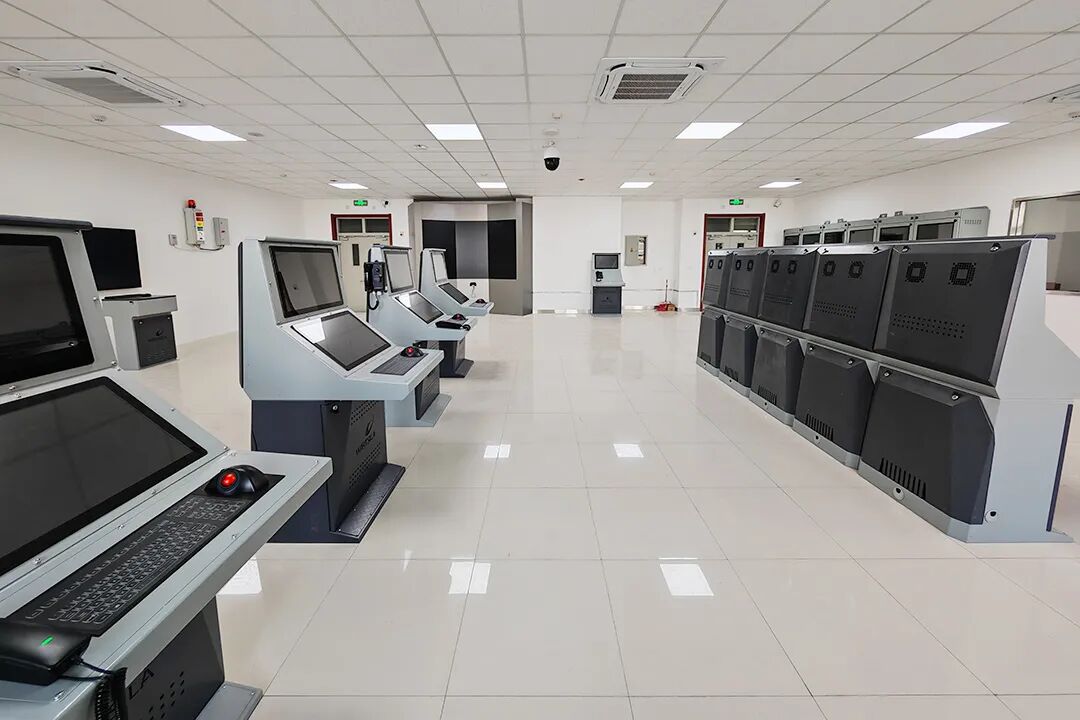
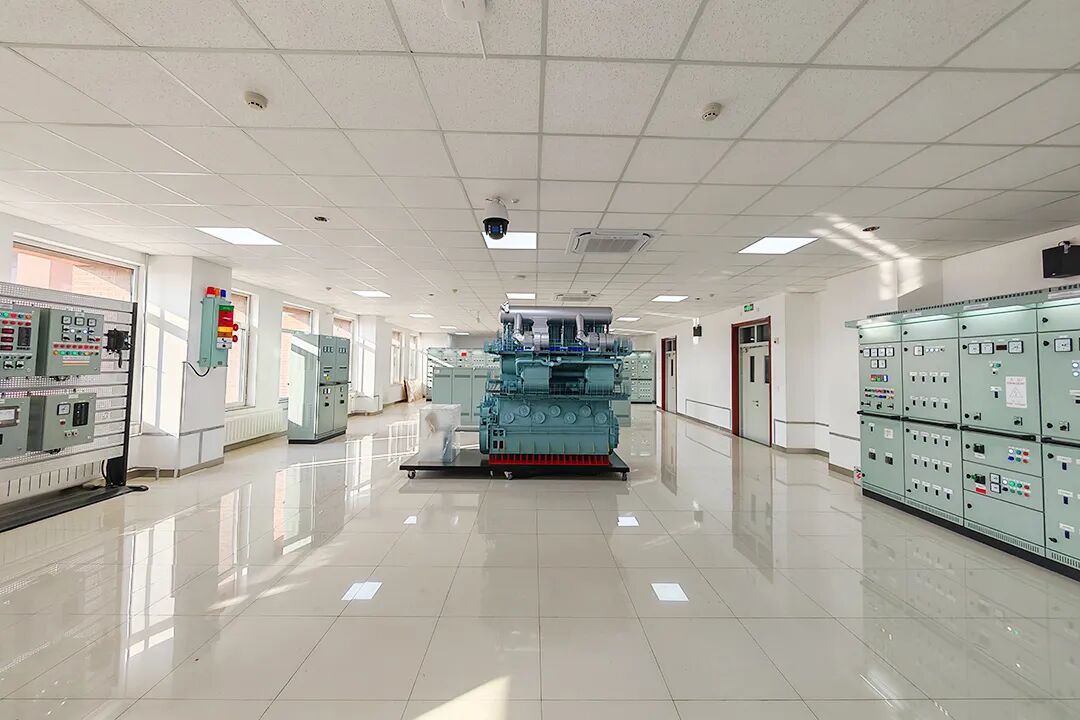
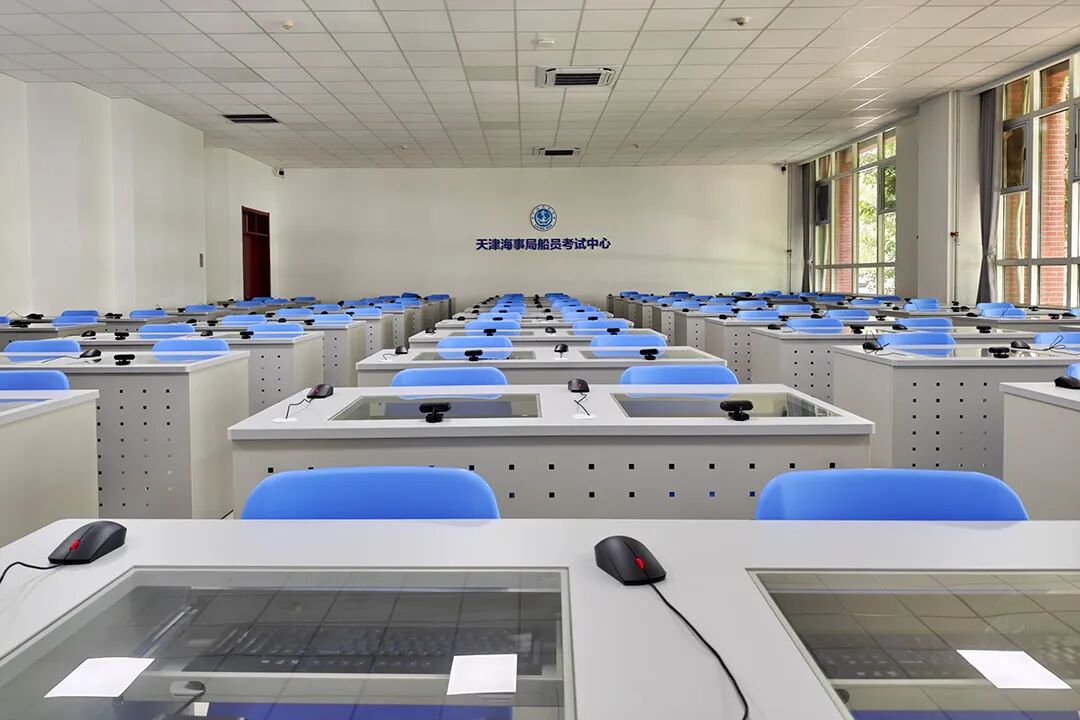
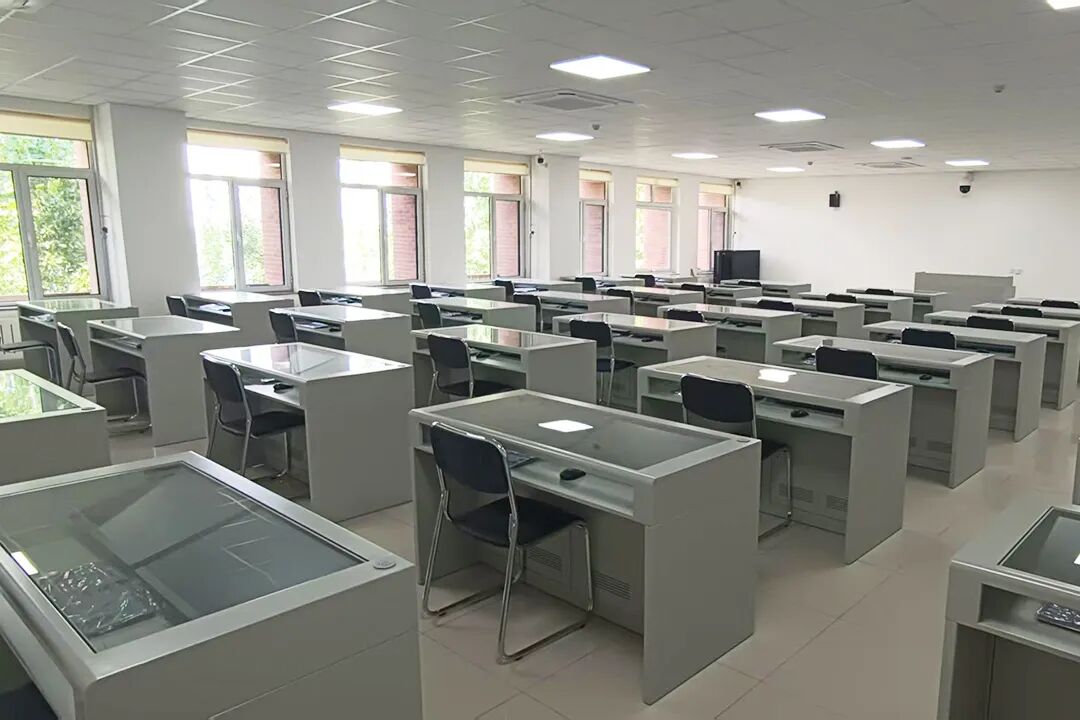
The centre is equipped with internationally advanced hardware and software facilities, including a 360-degree panoramic navigation simulator, an automated engine room, a Very Large Crude Carrier simulator, and a dual-fuel turbine simulator. It houses 17 comprehensive assessment rooms spanning three major disciplines—navigation, marine engineering, and electro-technical—along with 280 computer-based examination seats.
Multiple National Firsts: Assessment Facilities Lead the Nation
As the first national-level seafarer assessment centre in northern China, the facility has achieved a national first in realising intelligent assessment for eight key subjects: Electronic Chart Display and Information System, voyage planning, passage planning, cargo stowage and loading calculations, radar and navigational instruments, GMDSS, marine meteorology, and engine room simulator operations. It boasts the highest proportion of intelligent assessment items in the country, with its level of assessment intelligence being domestically leading and internationally first-class.
Most noteworthy is the nation's first "real-time linkage" system between the bridge and the engine room. This system can fully simulate the process whereby, after the captain issues an order, deck and engine department crew members coordinate and collaboratively operate all vessel, engine, electrical, and communication equipment. The scenarios covered range from voyage planning to emergency response, elevating examinations from individual operations to team-based collaboration, truly achieving an assessment model where "what is tested is what is used, and what is used is what is tested."
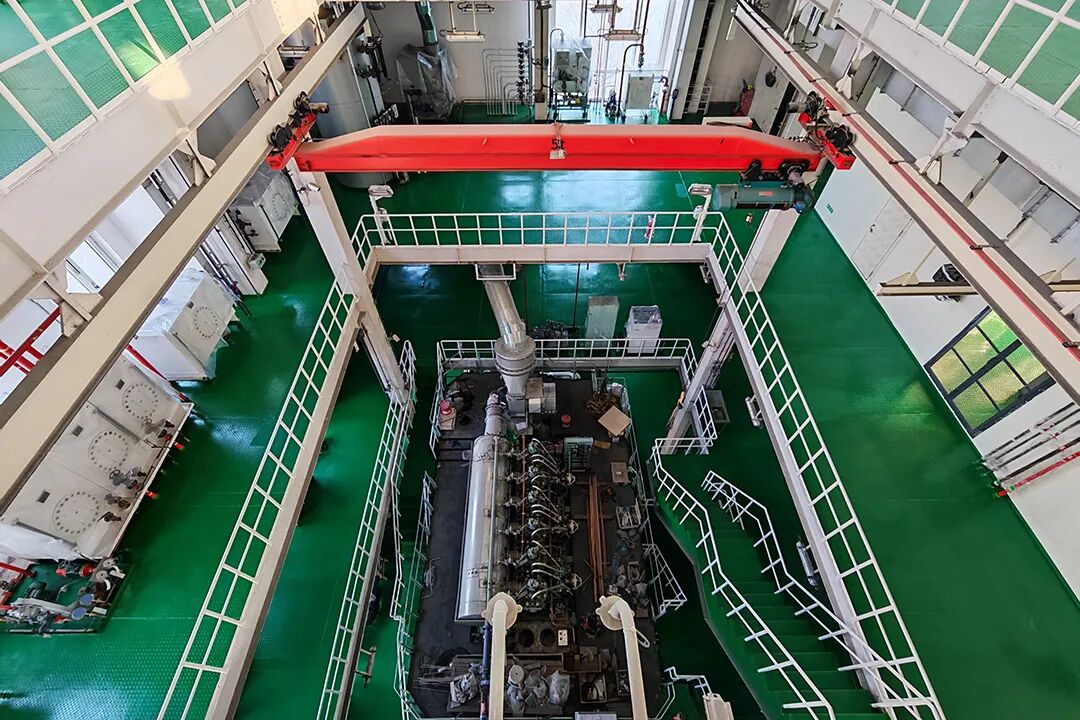
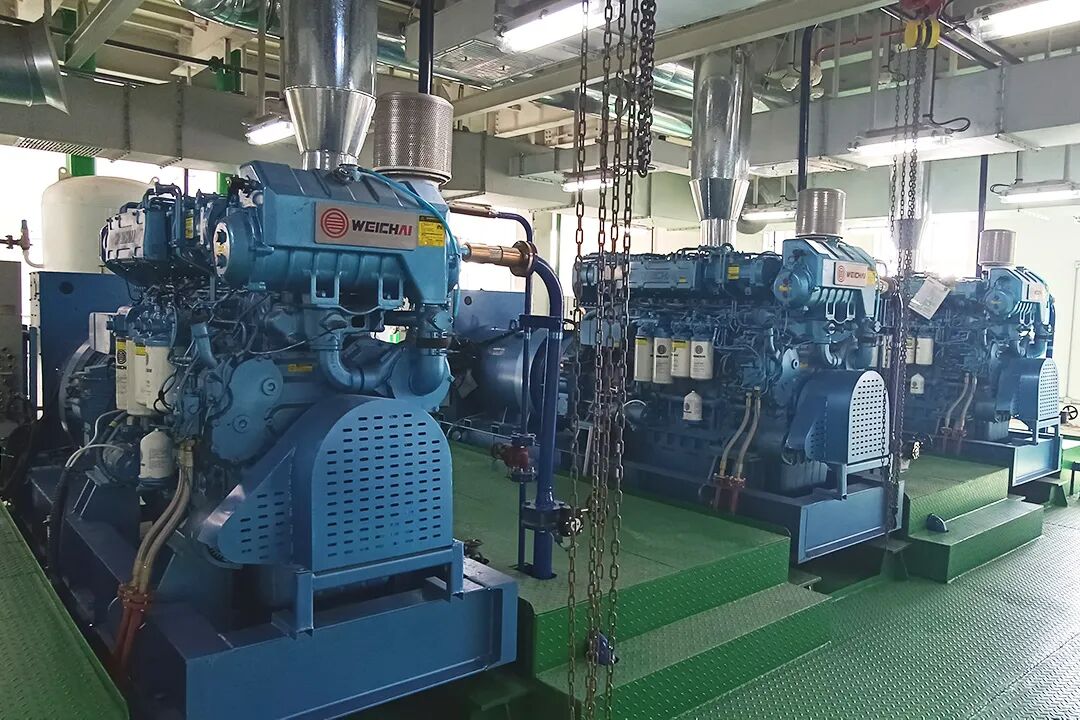
Another highlight of the centre is the nationally pioneering physical simulation automated engine room. Through deep integration of hardware and software, over 1,000 fault points are pre-set. A modular practical troubleshooting process—divided by system, task, and step—allows candidates to identify problems, resolve them, and verify answers in real time, enabling precise assessment of fault diagnosis and rectification capabilities. Furthermore, the entire engine room can operate without oil or water, highly replicating the operational effects of a ship's propulsion system while simultaneously creating a zero-pollution, low-energy-consumption, and high-safety green training scenario. It is estimated this will save over 200 tonnes of fuel annually, marking a key step toward promoting the transformation of seafarer training toward smarter, greener, and more efficient methods.
Additionally, the internationally advanced 360-degree panoramic navigation simulator can simulate over 150 ports and more than 200 ship types worldwide, faithfully reproducing any complex waterway, extreme weather, or sea condition. It is also equipped with Dynamic Positioning systems, Offshore Support Vessel modules, and bridge wing console operating systems, laying the foundation for China to independently conduct related training and examination assessments in the future.
Minimising Human Intervention, Solidifying Foundations of Fairness and Impartiality
To ensure assessment results are fair, impartial, scientifically sound, and authoritative, the Tianjin MSA Seafarer Assessment Centre fully utilises intelligent technologies, focusing on reducing human intervention factors to safeguard the fundamental bottom line of fairness in seafarer examinations.
The centre has innovatively built China's first intelligent assessment system for navigational instruments, the country's first intelligent assessment system for electronic charts, and an internationally advanced intelligent assessment system for cargo stowage and securing. These systems can track and record seafarers' operational behaviour throughout the entire process and automatically generate objective scoring results, improving assessment efficiency while avoiding subjective bias from manual grading.
"We have also developed intelligent seafarer examination management systems and assessment scoring systems, achieving full-task linkage and whole-process control over examination scheduling, test organisation, examiner deployment, and exam scoring," introduced Li Zhiqing, Director of the Seafarer Management Division of Tianjin MSA and a Second-Level Inspector.
Aligning with Shipping Industry Development, Reserving Space for Upgrades and Optimisation
The Tianjin MSA Seafarer Assessment Centre is based in Tianjin but serves the entire northern region. It primarily focuses on competency assessments for management-level seafarers such as captains and chief engineers, while also accommodating assessments for operational-level seafarers.
The centre's assessment scenarios not only cover conventional vessel types such as bulk carriers and containerships, but also innovatively incorporate new energy vessel types including LNG, LPG, and dual-fuel vessels, making preparatory arrangements for future special-purpose ship examination assessments.
"On the basis of thorough research, we have deeply considered the future trend toward specialised and larger vessels. We have not only made forward-looking configurations for foreseeable seafarer training and assessment projects, but also reserved interfaces for relevant software and ship model research and development platforms. This allows us to accurately align with the evolving demands of the shipping industry and cultivate and reserve high-quality, multi-skilled seafarer talent for new vessel types such as smart ships and green ships," Mr. Li Zhiqing stated.
Going forward, the Tianjin MSA will pursue the development direction of "high intelligence, deep integration, and assessment coordination," striving to build a new benchmark for seafarer assessment that is domestically leading and internationally first-class. The focus will be on elevating the level of high-end shipping services, empowering the quality upgrade and leap of Tianjin's construction as a core area for international shipping in northern China, and providing solid assurance for the high-quality development of China's seafarer workforce.
Hot News