





China Merchants Energy Shipping Announces 10 New Vessel Orders Worth Over $1.18 Billion
Source:CNSS
2026-03-31
On March 30, 2026, China's shipbuilding and shipping sectors marked a landmark transaction. Dalian Shipbuilding Industry Co., Ltd. (DSIC), a wholly-owned subsidiary of China State Shipbuilding Corporation (CSSC), officially signed a contract with Associated Maritime Establishment (Hong Kong) Limited—a subsidiary of China Merchants Energy Shipping (CMES)—for the construction of 10 Very Large Crude Carriers (VLCCs).
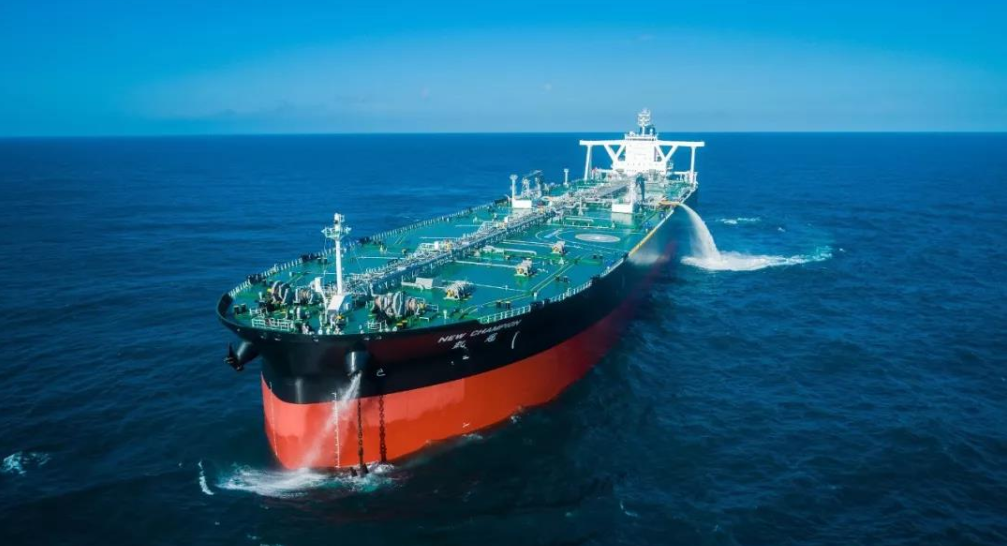
Valued at approximately $1.18 billion, the deal stands as one of the largest single tanker orders in the domestic shipbuilding market so far this year.
According to official announcements released by both parties on March 30, the 10-vessel order consists of conventionally fueled tankers equipped with scrubbers and shaft generators. The vessels feature a dual-fuel ready design and are scheduled for staggered delivery between 2028 and 2030.
As China’s pioneer in VLCC construction, DSIC maintains a long-standing competitive edge in this sector. For CMES, a top-tier global tanker operator, the newbuild program aims to solidify its market position as a world-class fleet while accelerating fleet renewal and optimization.
The transaction, valued at approximately $1.18 billion, will be paid in U.S. dollars. The payment structure follows a six-installment schedule: 10% upon signing, 10% twelve months after signing, and 10% each at the milestones of steel cutting, keel laying, and launching, with the final 50% due upon delivery.
According to the project briefing, this new generation of VLCCs is a flagship model independently developed by DSIC. Designed to align with international green shipping trends and the latest global environmental standards, the vessels achieve world-leading performance in overall efficiency, environmental compliance, and operational reliability.
CMES stated that the decision to award the contract to DSIC is rooted in their long-standing partnership and high degree of mutual trust. The company noted that the move is strategically timed to secure premium shipbuilding capacity and capitalize on market opportunities, further advancing its goal of high-quality fleet development.
Hot News