





Sinokor Maritime Opts for "Divestment": Aging LNG Carrier Sent for Scrapping
Source:CNSS
2026-04-14
Sinokor Maritime has ultimately decided to sell one of its LNG carriers, which has been long-term idle and non-operational, for demolition.
Brokers report that the 140,700 cubic meter steam turbine-driven vessel Hongkong Energy has been sold in Linggi, Malaysia.
The vessel is of membrane-type design with a lightweight tonnage of 30,847 tonnes. Based on a price of approximately $510 per lightweight tonne, the sale value amounts to around $15.7 million. It is understood that approximately 250 tonnes of bunker fuel remain onboard. Best Oasis is listed as the cash buyer for the Korean-built vessel. The ship is marked as "idle" in the Clarksons Shipping Intelligence Network database and is expected to be towed to its final destination—likely Bangladesh—for demolition and recycling, rather than being reactivated and sailing under its own power.
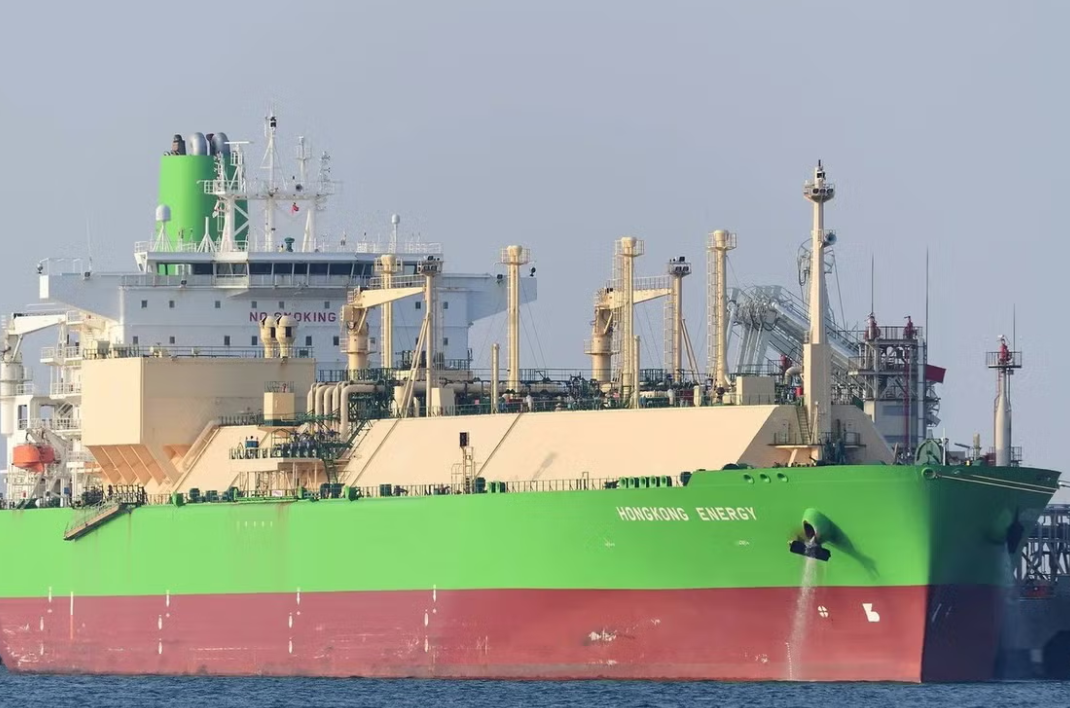
With the sale of Hongkong Energy for demolition, a total of five LNG carriers have now been sent for scrapping in 2026 to date. All of these vessels are steam turbine-driven and rank among the oldest units within their respective fleets. Brokers note that demolition buyers are showing interest in acquiring LNG carrier tonnage for recycling. However, despite numerous LNG carriers currently circulating on the market for sale, some owners remain on the sidelines, hoping to secure buyers for trading purposes.
Sinokor Maritime acquired this LNG carrier in early 2019. The vessel was one of a series of seven ships originally built for Australia's North West Shelf project. At the time of Sinokor Maritime's purchase, the vessel was valued at between $20 million and $30 million. However, just over a year later, Sinokor Maritime began seeking to sell the vessel. In January 2025, Sinokor Maritime once again placed Hongkong Energy on the sales market, inviting offers from buyers for either trading or demolition.
Sinokor Maritime had previously demonstrated significant interest in the LNG carrier sector, primarily acquiring older vessels upon the expiry of their long-term charters. However, most of these vessels failed to enter operational service and, after years of idling, have ultimately been dispatched for scrapping.
Hot News