





Strait of Hormuz Sees Partial Resumption of Navigation; Trump Declares US War with Iran "Over"
Source:CGTN
2026-04-15
US President Donald Trump stated in a recent interview that the war with Iran is "over."
On April 7, the United States and Iran announced a ceasefire and the commencement of a two-week negotiation period. The Office of Israeli Prime Minister Benjamin Netanyahu subsequently issued a statement expressing support for the ceasefire, while noting that it does not extend to Lebanon. US and Iranian delegations commenced talks on April 11, but as negotiations concluded on April 12, no agreement had been reached. On April 14, President Trump indicated that talks with Iran "could potentially" take place in Pakistan "within the next two days."
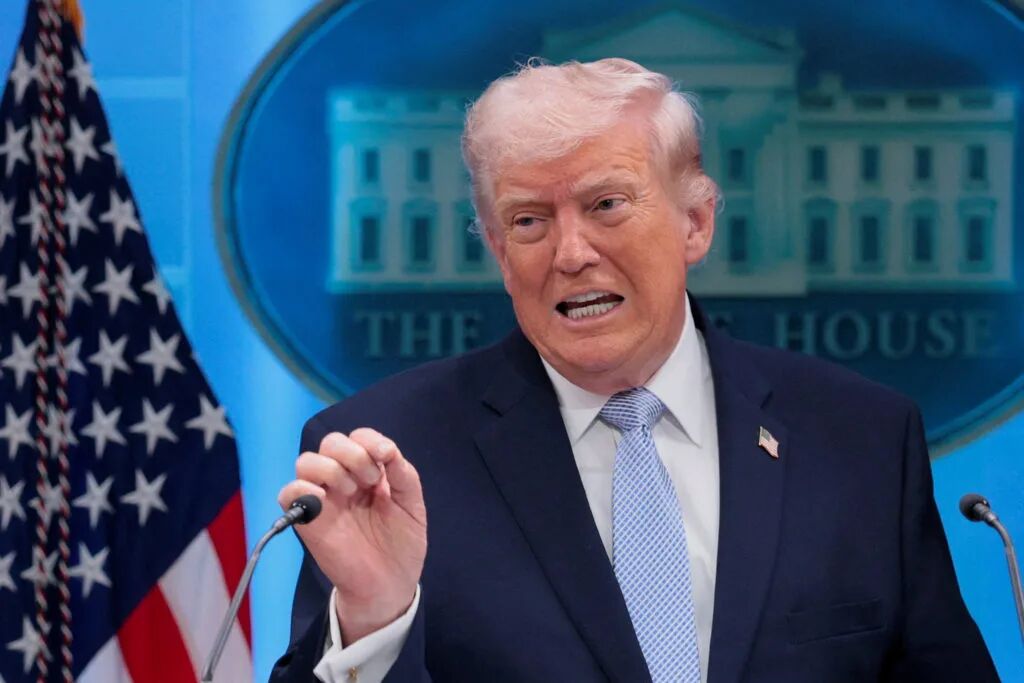
Photo source: Reuters
Strait of Hormuz Sees Partial Resumption of Navigation
Against the backdrop of a US naval blockade imposed on Iranian ports, over 20 commercial vessels have transited the Strait of Hormuz within the past 24 hours. While traffic volume remains below pre-conflict levels, signs of recovery are emerging along this critical waterway.
UK Maritime Analytics Firm: Some Vessels Continue to Transit Strait of Hormuz Despite US Blockade
Windward released a report on April 14 stating that despite the US blockade imposed on all vessels calling at Iranian ports, some ships continue to enter and exit the Strait of Hormuz, and navigation has not been entirely halted. Windward also observed anomalous behaviors including vessels turning away, disabling Automatic Identification Systems (AIS), and reducing speed. This indicates that vessels are reassessing their routing as the risk of a full blockade of the strait escalates.
The report noted that navigation through the Strait of Hormuz remained restricted on April 13. A total of 10 vessels were recorded inbound, comprising 2 tankers, 1 bulker, and 7 general cargo ships. Outbound traffic consisted of 7 vessels, including 3 tankers, 3 general cargo ships, and 1 bulker.
Hot News