





Losing Nearly $400,000 Daily: South Korean Small and Mid-Sized Shipping Companies Face Bankruptcy
Source:CNSS
2026-04-15
As the blockade of the Strait of Hormuz shows signs of becoming a prolonged situation, numerous South Korean vessels remain trapped in the region. According to South Korean media reports, small and mid-sized shipping companies in the country are facing a severe operational crisis due to soaring fuel costs and war insurance premiums, with the risk of bankruptcy escalating daily.
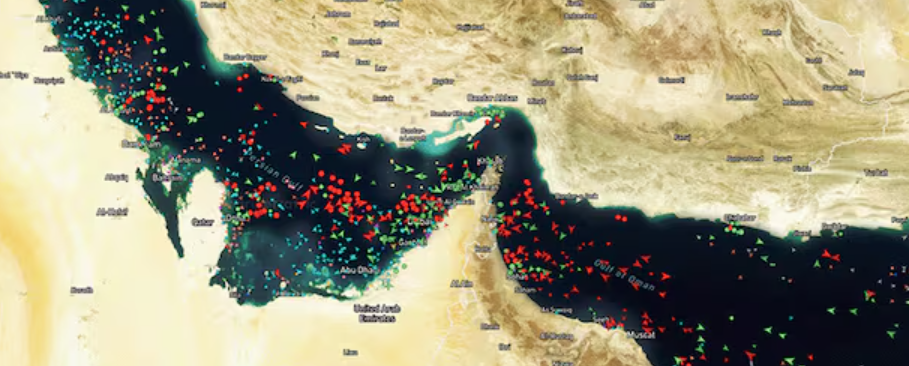
According to data from the Korea Shipowners' Association, of the 26 South Korean-linked vessels currently trapped in the Strait of Hormuz, 10 belong to eight small and mid-sized shipping firms. These companies are all small-scale operators with annual revenues of less than $67.7 million.
The Korea Shipowners' Association estimates that including operational downtime losses, fuel expenses, war risk insurance premiums, and crew hazard pay, these eight companies are collectively losing $390,000 per day. Including these eight firms, the total daily loss for the 17 South Korean shipping companies with vessels trapped due to the blockade amounts to $1.42 million. Should the conflict persist until the end of May, cumulative losses are projected to reach $136 million.
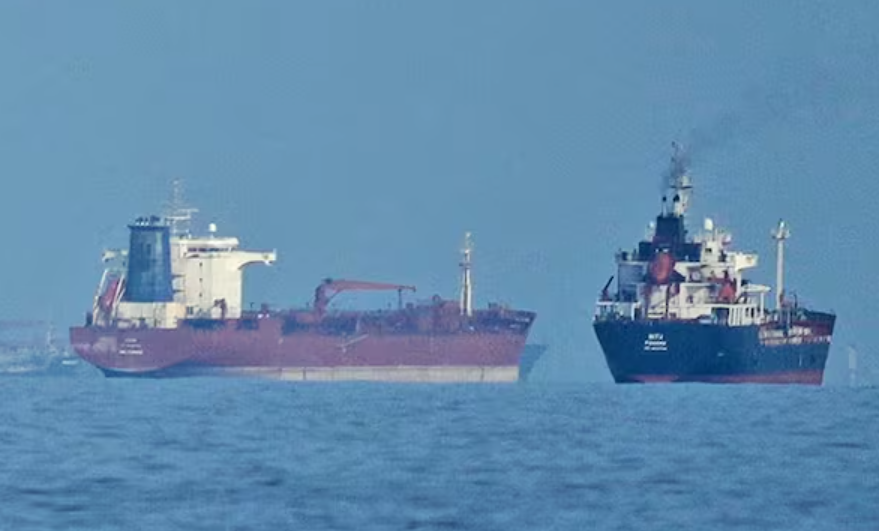
Photo: Yonhap
According to Korean media reports, the losses are primarily driven by sharp spikes in fuel costs and war risk insurance premiums. The average international bunker fuel price has surged from $513 per ton before the conflict to $937 last month, representing a staggering 82.7% increase. A shipping industry source lamented, "Even though we cannot operate and are simply anchored within the strait, we must keep the vessel's machinery running. It is no different from pouring expensive fuel directly into the sea."
While large shipping companies can pass on increased costs to freight rates through mechanisms such as "Emergency Bunker Surcharges" or "War Risk Surcharges," small and mid-sized carriers with weaker bargaining power find it difficult to follow suit.
An insider from a small shipping company confessed, "If we request surcharges, clients may terminate their cooperation. We have no choice but to absorb all the costs ourselves." For small and mid-sized shipping companies with already weak financial foundations, the continuous surge in costs is pushing them to the brink of bankruptcy.
Hot News