





Haitong Development Accelerates Fleet Expansion, Targets 100 Vessels
Source:CNSS
2026-04-15
The strategic footprint of this leading domestic dry bulk shipping company is expanding, bringing it one step closer to its goal of a 100-vessel owned fleet.
On April 13, Haitong Development held its earnings presentation.
Haitong Development disclosed that as of the end of 2025, its total controlled capacity had reached 5.02 million deadweight tonnes, ranking among the top domestic enterprises engaged in dry bulk transportation in terms of fleet size.
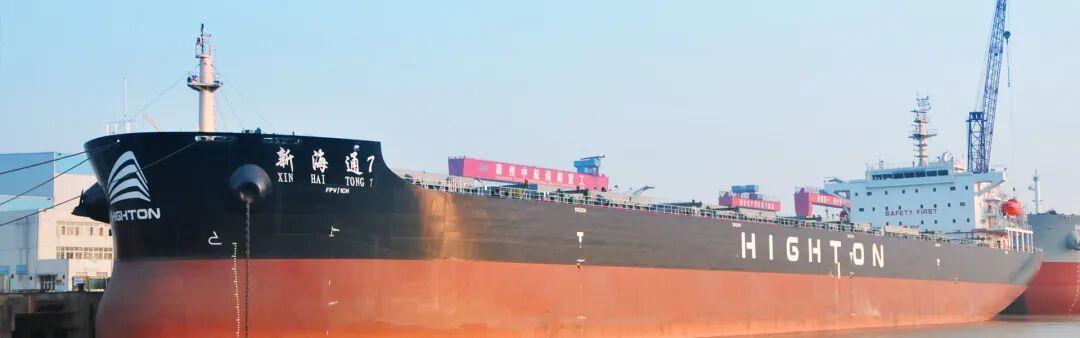
Photo source: Haitong Development
Throughout 2025, Haitong Development added 18 vessels to its fleet through new acquisitions and bareboat charter arrangements. As of the reporting date, 16 of these vessels had been delivered. Upon completion of all vessel handovers, Haitong Development will have 13 dry bulk vessels on long-term charter (with a usage period of one year or more), 61 owned dry bulk vessels, 4 multipurpose heavy-lift vessels, and 3 tankers.
Furthermore, Haitong Development stated that its "100-Vessel Plan" is progressing steadily, with the target of achieving 100 owned vessels around 2028-2029. The company is building a comprehensive dry bulk fleet portfolio centered on Ultramax vessels, maintaining flexibility in vessel type proportions rather than adhering to a fixed mix. The strategy focuses on monitoring cyclical fluctuations and acquiring assets at favorable prices. Acquisitions are predominantly focused on secondhand vessels, offering significant cost advantages and enabling immediate deployment of capacity.
Meanwhile, the heavy-lift vessel business is viewed with high expectations and is poised to become a significant driver of the company's second growth curve, as traditional single-purpose bulk carriers alone cannot meet all transportation demands.
Haitong Development explained that heavy-lift vessels align with the company's existing breakbulk cargo operations. While the company's bulk carriers could previously transport such cargo, heavy-lift vessels are equipped with more robust cargo handling gear, catering to the maritime transport needs of oversized and heavy-lift items. This enables the company to further diversify its cargo portfolio, enhance market share and influence, and strengthen the core competitiveness of its fleet. Additionally, the increased operational specialization of heavy-lift vessels raises the company's business barriers. Earlier this year, Haitong Development invested up to $130 million to order three 62,000 dwt multipurpose heavy-lift vessels at Taizhou Kouan Shipbuilding.
Looking ahead, Haitong Development will continue to focus on its core business of bulk and breakbulk transportation, continuously optimizing its cargo mix, fleet structure, and client portfolio. Leveraging the upgrading and transformation of China's advanced manufacturing sector, the company aims to serve the export needs of equipment in sectors such as construction machinery, port machinery, and rail transit, capturing new points of demand growth.
For the full year 2025, Haitong Development reported operating revenue of $650 million, a year-on-year increase of 21.43%. Net profit attributable to shareholders was $68 million, a year-on-year decrease of 15.30%. Net profit attributable to shareholders after deducting non-recurring items was $68 million, down 8.12% year-on-year. Overseas revenue accounted for approximately 70% of the total.
Addressing the issue of "revenue growth without corresponding profit growth," Haitong Development noted that the increase in revenue during 2025 was driven by fleet expansion and an increase in chartered-in vessel operations. However, charter rates in the international market declined year-on-year. Furthermore, operating costs, repair expenses, and costs associated with chartered-in vessels all increased compared to the previous year, resulting in cost growth outpacing revenue growth.
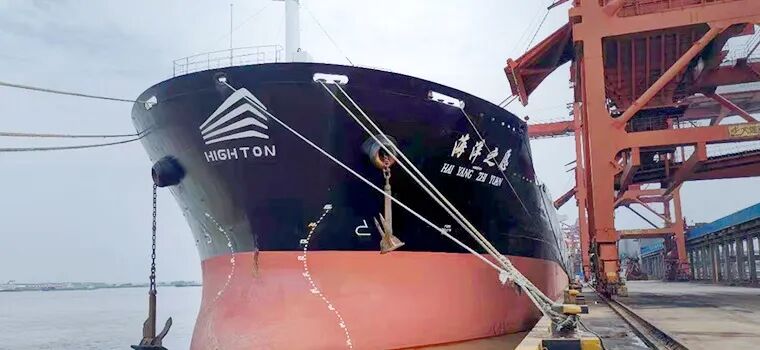
Haitong Development is primarily engaged in international ocean-going and domestic coastal dry bulk transportation services, with its core operating vessels being 57,000 dwt Ultramax bulk carriers. Through years of accumulation, the company has established itself as one of the private dry bulk shipping enterprises with strong market competitiveness in China.
In international ocean-going transportation, the company actively expands its global dry bulk shipping business in alignment with the national "Belt and Road" Initiative. Its operated routes cover over 350 ports across more than 100 countries and regions, providing seaborne transportation services for a variety of cargoes including ore, coal, grain, fertilizer, and breakbulk.
In domestic coastal transportation, the company's primary cargo is coal. It has become one of the largest private shipping enterprises by coal transport volume on the route from the Bohai Rim to Yangtze River ports. It is also actively expanding into the transportation of other dry bulk commodities such as ore and slag.
Hot News