





CEO Cashes Out and Departs, 900 Workers Strike: Hapag-Lloyd's Acquisition of ZIM Faces Mounting Hurdles
Source:CNSS
2026-04-22
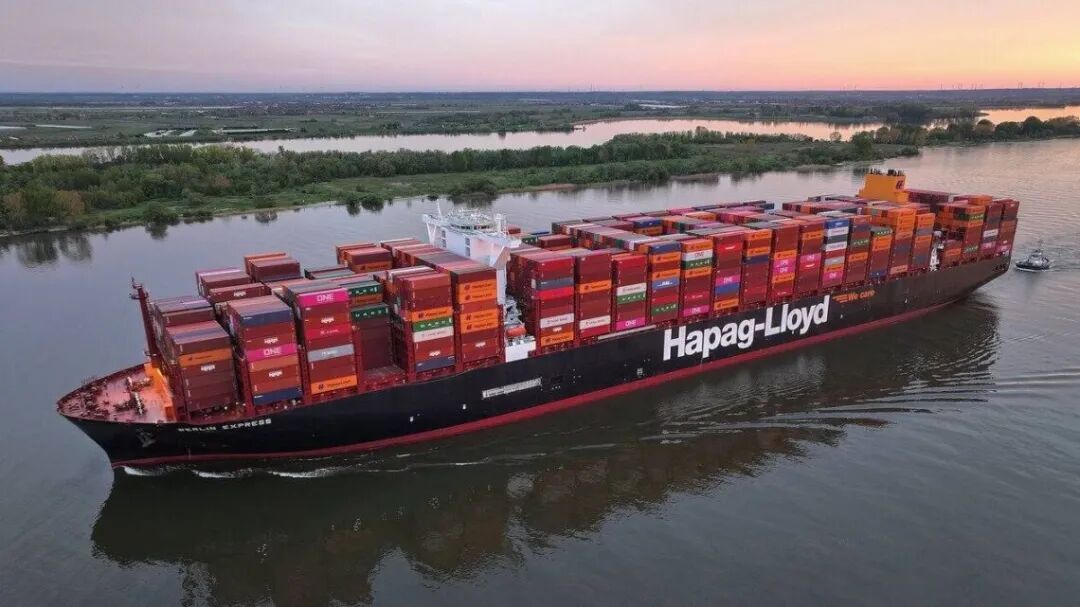
The consolidation wave sweeping through the container shipping industry is advancing with unprecedented momentum as Hapag-Lloyd pursues its planned $4.2 billion acquisition of ZIM Integrated Shipping Services.
Hapag-Lloyd announced its intention to acquire 100 percent of ZIM's equity in February of this year. The transaction structure was carefully crafted to address Israeli sensitivities: a new shipping entity, FIMI Opportunity Funds, would be established to retain the ZIM brand, 16 vessels dedicated to Israeli trade routes, and the Israeli government's "Golden Share." Hapag-Lloyd would acquire the remaining assets, including charter agreements covering 99 vessels.
For Hapag-Lloyd, this represents a significant opportunity to scale operations. By absorbing ZIM's international network, Hapag-Lloyd would further solidify its standing as the world's fifth-largest container carrier and leverage the Gemini Cooperation—its joint alliance with Maersk—to strengthen core trades including the Transpacific, Asia-Europe, and Transatlantic routes. ZIM's established penetration and resilience in Asian markets would effectively complement perceived gaps in Hapag-Lloyd's existing network.
However, the transaction is beset by complex challenges beneath the surface. As the acquisition entered a critical phase, ZIM disclosed in a filing with the U.S. Securities and Exchange Commission on April 15 that Eli Glickman, the company's President and Chief Executive Officer, had notified the Board of Directors of his decision to resign. Mr. Glickman will continue to serve as CEO during a six-month notice period, while the Board has commenced a search for his successor.
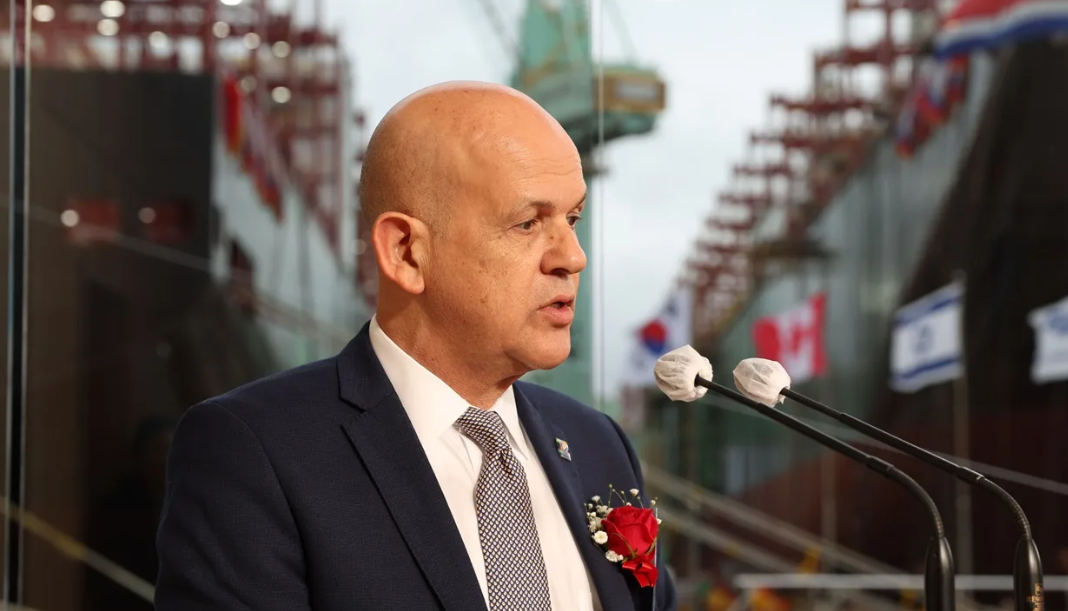
Eli Glickman
Notably, Mr. Glickman sold approximately $40 million worth of ZIM shares last month, with other senior executives also reducing their holdings. These transactions were executed at prices below Hapag-Lloyd's tender offer of $35 per share. The sudden leadership transition and the pattern of insider selling introduce an element of uncertainty ahead of the forthcoming shareholder vote.
The potential ramifications of the acquisition extend deeply into ZIM's workforce and the broader Israeli maritime ecosystem. Over the past nine years, ZIM has cultivated a distinct culture of innovation, yet its future trajectory remains unclear. According to international media reports, approximately 900 employees at ZIM's headquarters staged a strike on April 16 in opposition to the transfer of control to a foreign owner. The industrial action resulted in a near-total paralysis of ZIM's domestic operations within Israel. Cargo handling operations at both the Port of Haifa and the Port of Ashdod ground to a complete halt, disrupting vessel schedules and causing tangible impacts on supply chain fluidity.
Robbert van Trooijen, an industry consultant and former Maersk executive, observed that the current landscape—characterized by robust carrier balance sheets, widening scale disparities, and substantial cash reserves within the sector—presents a "rare" window for transformative transactions.
"The container shipping industry stands at a pivotal juncture. Record fleet expansion, an escalating scale gap, and remaining financial reserves have converged to create a window during which transformative deals are both feasible and strategically rational," Mr. van Trooijen noted.
Viewed from an industry-wide perspective, the Hapag-Lloyd/ZIM transaction underscores the double-edged nature of the "scale imperative" in shipping. In 2026, amid the triple pressures of global fleet oversupply, intensifying geopolitical conflicts, and tightening environmental regulations, mid-tier and smaller operators find themselves with increasingly limited maneuvering room.
Hapag-Lloyd currently ranks fifth in Alphaliner's global liner operator listings. A successful completion of the ZIM acquisition would substantially narrow the gap with COSCO SHIPPING in terms of operated capacity. For Israel, however, the deal potentially signifies the loss of a domestically representative independent carrier. The future "New ZIM," while retaining its brand and a partial fleet, would be inextricably linked to Hapag-Lloyd's global network.
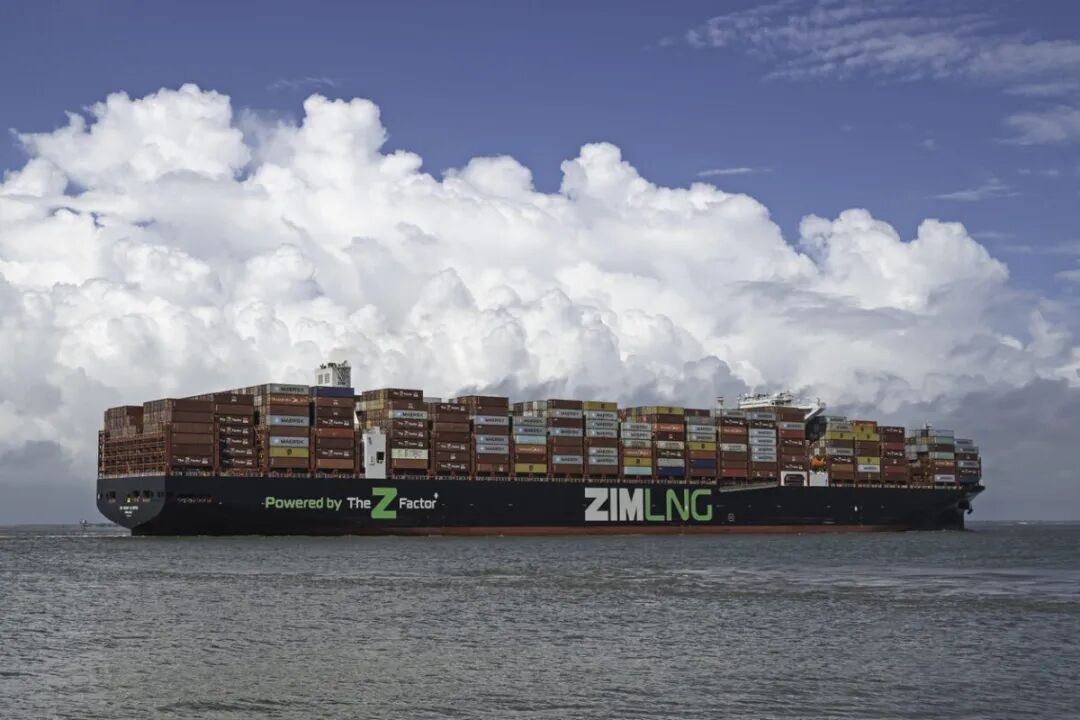
While the transaction remains contingent upon approvals from the Israeli government and ZIM's shareholders, the very progression of the deal sends an unequivocal signal: even absent immediate financial distress, competitive pressures driven by scale alone are sufficient to catalyze a new wave of industry consolidation.
For carriers positioned in the industry's mid-tiers, the strategic decision of whether to proactively pursue consolidation may ultimately determine their standing within the global shipping landscape over the coming decade.
Hot News