





BCI Index Breaks Through 5,000-Point Milestone
Source:CNSS
2026-05-08
With the growth in shipping volume, Capesize vessel freight rates have continued to rise following the strongest April performance in five years.
On May 6th, the Baltic Exchange's average daily time charter assessment for Capesize vessels was $46,017, an increase of $3,368 from May 5th. The Capesize Index (BCI) surged 371 points in 24 hours to reach 5,074 points, marking a five-year high for the month of May. The overall Baltic Dry Index (BDI) rose by 159 points to close at 2,991.
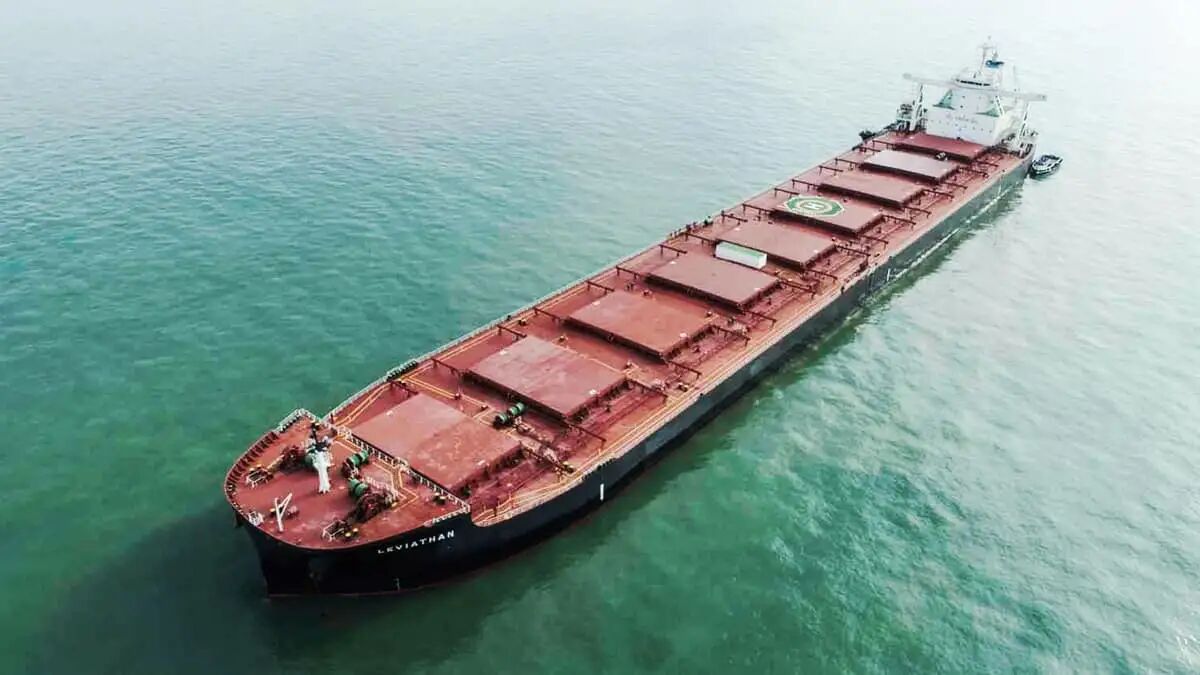
Allied QuantumSea stated that strong performance in the Atlantic Basin is setting the tone for the market. The firm added that business on routes from southern Brazil and West Africa to China has strengthened. A 181,000 dwt vessel from Tubarão, Brazil (with optional loading ports in West Africa) to Qingdao, China, was fixed at $34.45 per ton. In the Pacific market, healthy cargo volumes have kept rates steady at around $13.70 per ton.
BRS noted that the average Capesize index in April hovered around $30,000 per day, the highest record for the same month since 2021, which is $14,000 higher than the same period last year.
BRS described this phenomenon as "strong evidence of a structural shift in the Capesize market landscape." Excluding fuel-related distortions caused by the US-Iran conflict, there is little evidence of a substantial deterioration in Capesize fundamentals in the first quarter.
The company stated, "In fact, high fuel prices led to a significant decrease in fleet speed in March, which indirectly tightened available capacity against the backdrop of strong long-haul transportation demand."
The brokerage estimated that Capesize cargo volume grew by 5.3% in April. BRS indicated that from the loading end, growth in major exporting countries was slightly more pronounced; however, the demand side remains highly concentrated in Asia, with China continuing to dominate trade flows.
Analysts pointed out that 20% of global natural gas is transported through the Strait of Hormuz to various countries. With the strait remaining blocked, nations are forced to restart or increase their reliance on coal-fired power generation, driving up demand for coal transportation and benefiting bulk shipping.
Analysts suggest that seaborne coal demand may be underestimated. The US-Iran conflict has boosted coal demand. Global bulk coal transportation demand exceeds 1.2 billion tons annually, making it the second-largest demand sector after iron ore's 1.6 billion tons.
Before the conflict erupted on February 28, Clarksons Research had originally estimated that global seaborne coal demand would decrease by 3.8% year-on-year in 2026. However, due to the effect of coal replacing natural gas caused by the US-Iran conflict, maritime research agencies are expected to significantly revise upwards their forecasts for global seaborne coal demand.
Currently, although it is the off-season for coal demand—between the end of winter heating needs and the onset of the summer peak electricity usage—coal prices have risen due to strong demand. Coal prices at both Australia's Newcastle Port and Qinhuangdao Port have shown an upward trend during this traditionally slow period.
Hot News