





Major Shipping Companies Forced to Shift from Sea to Land; Persian Gulf Freight Rates Hit Record Highs
Source:CNSS
2026-05-18
As the Strait of Hormuz nears closure, major global shipping companies have been forced to activate alternative land routes to alleviate port congestion. Multiple companies have warned that large-scale cargo backlogs and additional surcharges are now unavoidable.
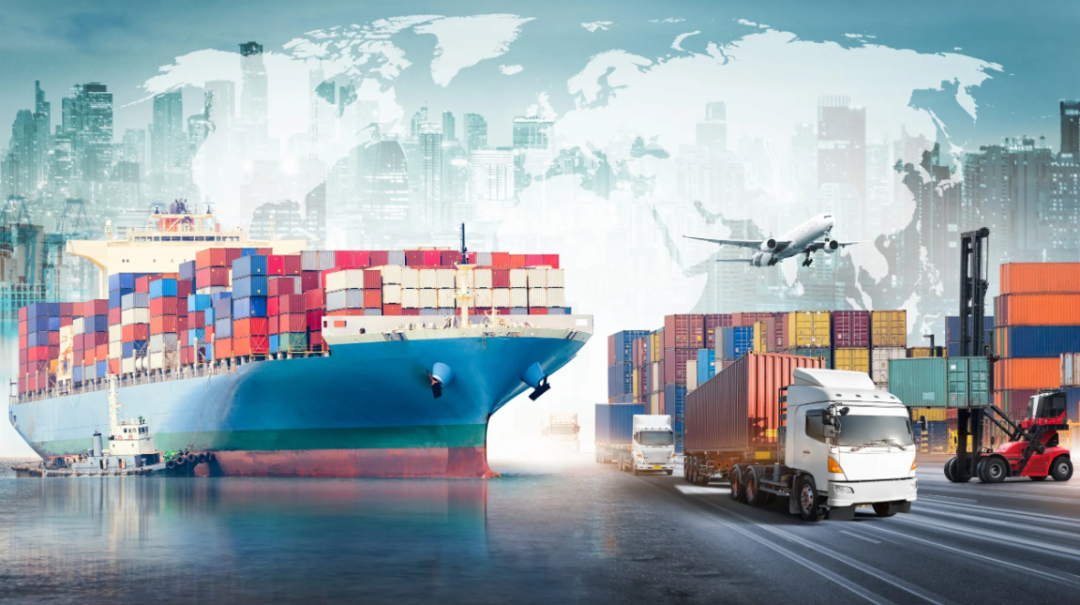
Data shows that container freight rates on the Shanghai-to-Persian Gulf and Red Sea routes touched historic peaks this week, surpassing even the records set during the pandemic. According to statistics from Clarksons Research, the freight rate for a standard TEU on this route skyrocketed from $980 before the conflict to $4,131 in the week of May 15. For comparison, the highest rate during the 2021 pandemic was $3,960 per box. The surge in freight costs is primarily driven by rising fuel expenses and intense market competition to lease trucks for overland transportation.
Major shipping lines, including MSC, Maersk, CMA CGM, and Hapag-Lloyd, have established trucking routes from ports in the Red Sea and Gulf of Oman (such as Yanbu and King Abdullah Port in Saudi Arabia, and Fujairah in the UAE) to internal Persian Gulf ports (like Dammam in Saudi Arabia, Basra in Iraq, and Jebel Ali in the UAE). However, the capacity that trucks can replace represents only a small fraction of the volume previously carried by large container ships and bulk carriers through the Strait of Hormuz.
Rolf Habben Jansen, CEO of Hapag-Lloyd, pointed out, "The only way is the land bridge, but its overall capacity is far lower than the sea route." He added that trade flow entering the Persian Gulf region has dropped by 60% to 80%. A maritime lawyer noted that ports are being forced to prioritize essential goods such as food and medical supplies.
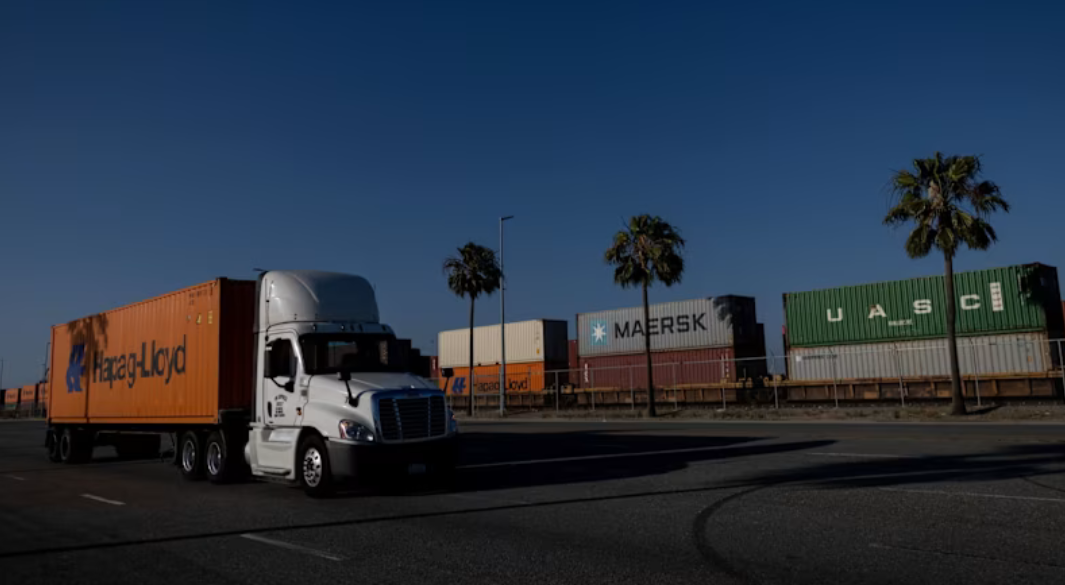
The consumer goods division of Tata Group stated that tea, salt, and beans originally destined for the Middle East are now being shipped to ports like Jeddah in Saudi Arabia and Khor Fakkan in the UAE, before being transferred overland. Tony Stubbs, the company's Senior Vice President, mentioned that transit times have lengthened, with congestion at some ports causing delays of up to 60 days. A shipbroker in London revealed that grain traders are similarly rerouting cargo to Red Sea and Gulf of Oman ports, distributing it via trucks and smaller vessels. "Fujairah and Khor Fakkan have seen a significant increase in grain receipts, which are then trucked to major UAE ports and transshipped via small vessels to Qatar, Bahrain, and other parts of the Persian Gulf."
As demand weakens, freight rates on some Persian Gulf routes have retreated from their early highs. Freightos data indicates that rates on the Shanghai-to-Jebel Ali route quadrupled to $8,000 per FEU at the onset of the conflict, before subsequently dropping to around $5,700. Nevertheless, as long as the Strait of Hormuz fails to resume normal navigation, the capacity bottlenecks of the land bridge, exorbitant logistics costs, and prolonged cargo backlogs will continue to plague global shipping and trade.
Hot News