





Panama Canal Congestion Worsens
Source:CNSS
2026-05-20
Congestion at the Panama Canal is intensifying, even as authorities prepare for maintenance work next month that is expected to further reduce transit capacity, triggering renewed concerns across multiple shipping segments over schedule delays and surging freight rates.
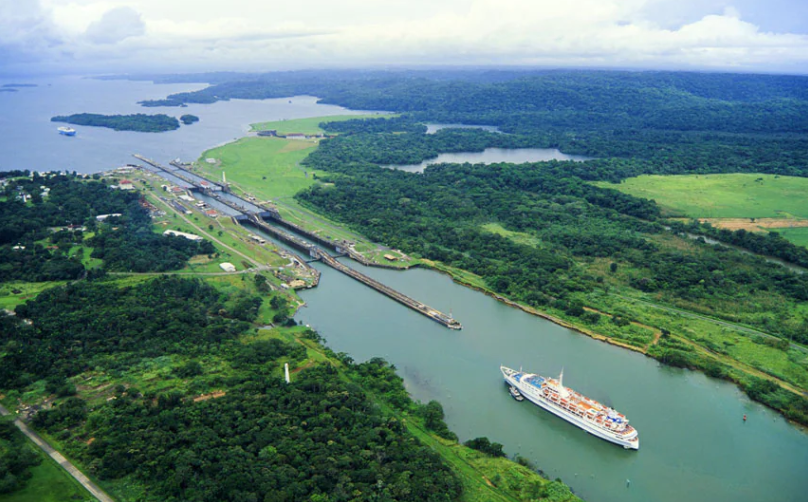
According to reports, the Panama Canal Authority has scheduled dry maintenance on the east chamber of the Gatun Locks for the period of June 9 to 17. During this window, daily available transit slots will drop to 16, and vessels will only be able to use the west chamber, leading to extended transit times.
The timing is particularly unfavorable for global shipping markets. Already, the number of vessels queuing at both ends of the canal has been rising due to trade route diversions caused by the ongoing Strait of Hormuz crisis.
SEB warned on the 18th that the risk of congestion is escalating rapidly, noting that "congestion is already building at the Panama Canal," and citing data showing that average waiting times so far this month have reached 47.9 hours—roughly 60% higher than the January-to-February average before the Hormuz crisis.
The bank cautioned that the impending maintenance window could further aggravate delays, potentially forcing some vessels either to endure even longer waits or to opt for costly diversion routes around the Cape of Good Hope.
"Either scenario tightens effective VLGC (Very Large Gas Carrier) supply," SEB stated.
The bank added that the current backdrop is especially favorable for the LPG freight market, with rates on the US Gulf route already at record highs, approaching $185,000 per day.
At the same time, growing meteorological risks are further amplifying market congestion fears.
NOAA currently estimates an 82% probability of El Niño conditions returning between May and July this year, with the likelihood of a strong El Niño event reaching as high as 37% by year-end. Historically, El Niño reduces rainfall across Central America, lowering water levels in Gatun Lake—the Panama Canal's primary source of fresh water—and forcing the canal to impose draft and transit restrictions.
However, the Panama Canal Authority has sought to downplay concerns over a repeat of the severe drought-related disruptions.
Officials stated that there are currently no plans to restrict vessel transits for the remainder of 2026, emphasizing that water conservation measures implemented since last year have kept Gatun Lake levels at relatively high historical levels.
The Authority also stressed that the canal continues to handle approximately 38 vessel transits per day, despite rising demand.
Nevertheless, signs of strain are becoming increasingly difficult to ignore. Recently, the auction price for Panama Canal priority transit slots has skyrocketed to an unprecedented high of $4 million per vessel, even surpassing levels seen during the previous drought crisis.
Hot News