





El Niño Arrives, Dry Bulk Freight Rates Could Rise
Source:CNSS
2026-05-28
Xclusiv Shipbrokers, in their latest market analysis, notes that the El Niño phenomenon expected to arrive in mid-2026 could potentially bolster dry bulk freight rates.
El Niño is generally recognized as a natural phenomenon involving elevated sea surface temperatures, occurring every few years. An El Niño event is officially confirmed when sea surface temperatures in the tropical eastern Pacific exceed the long-term average by 0.5 degrees Celsius.
The global dry bulk market is currently bracing for a period of heightened volatility triggered by extreme weather. The U.S. National Oceanic and Atmospheric Administration (NOAA) has raised the probability of an El Niño event developing between May and July 2026 to 82%, with the likelihood of a strong El Niño emerging by year-end also rising to 37%.
This climate shift is expected to reach peak intensity between the fourth quarter of 2026 and the first quarter of 2027. While environmental and operational disruptions will pose significant structural challenges to supply chains, historical data indicates that strong El Niño events consistently inject substantial upward momentum into dry bulk freight rates, clearly tipping the market balance in favor of shipowners.
Xclusiv's analysis draws a direct parallel to the strong El Niño cycle of 2023/24. "Back then, severe drought caused Gatun Lake water levels to plummet, with Panama Canal lock transits plunging 46%. Yet, despite such severe transit restrictions, global seaborne dry bulk trade demonstrated remarkable resilience, ultimately hitting a record high of 5.37 billion tonnes," the firm noted.
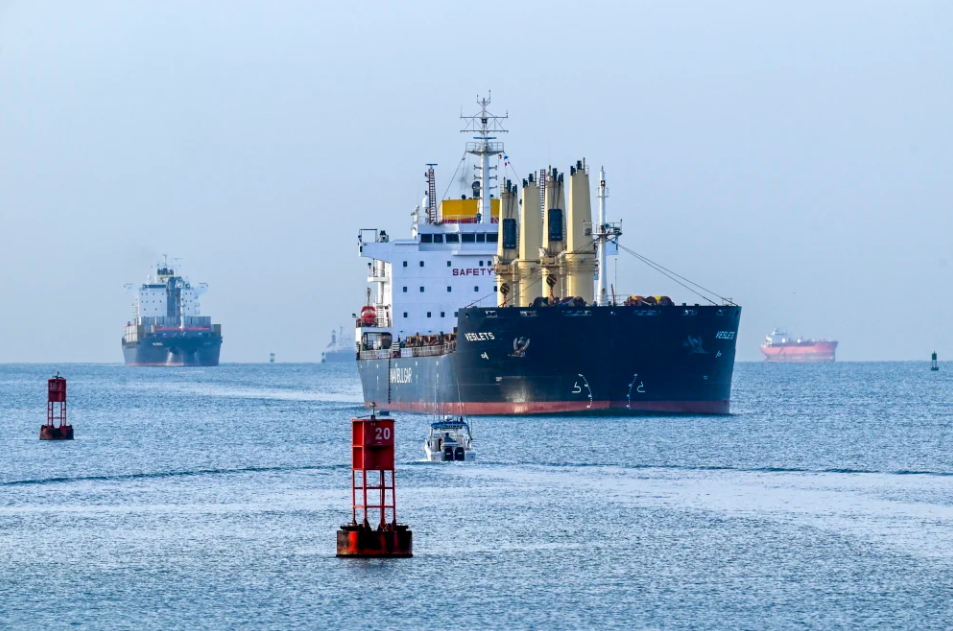
Entering the 2026 cycle, immediate infrastructure pressures are further amplifying these systemic climate risks. This month, average waiting times at the Panama Canal have surged to 47.9 hours—60% higher than the baseline level prior to the Middle East conflict. More critically, planned dry maintenance on the Gatun locks this June will dramatically reduce daily available transit slots to just 16.
The analysis points out that the triple convergence of infrastructure maintenance, geopolitical bottlenecks, and climate anomalies will drive profound structural adjustments across major vessel segments. In the near term, during the second and third quarters of 2026, scorching summer heat across Asia combined with a weakening Indian monsoon is expected to create a shortfall in regional hydropower generation, rapidly triggering seaborne thermal coal import demand.
This will provide a significant boost to spot Capesize and Kamsarmax vessels operating in the Pacific. Concurrently, agricultural trade patterns are undergoing subtle shifts. An expected decline in Australian wheat production will force Asian buyers to source longer-haul grain cargoes from Brazil and Argentina to fill the gap, offering a substantial lift to tonne-mile demand for Kamsarmax and Panamax vessels.
Xclusiv remarks that most crucially, canal transit restrictions will force standard grain shipments from the U.S. Gulf to bypass the Panama Canal entirely, rerouting via the Cape of Good Hope. This operational shift will increase voyage distances by up to 50%, thereby tightening effective vessel supply and expanding global tonne-mile demand.
In the secondhand sale and purchase market, the timing of these structural capacity gaps is particularly noteworthy. The long-end forward curve for Forward Freight Agreements remains resilient, with Capesize forward curves maintaining robust expectations for the remainder of the year.
With VLSFO fuel prices hovering at elevated levels of US$768 per tonne in Rotterdam, fuel efficiency remains paramount for long-haul operations. Consequently, buyer preference has clearly converged on modern, eco-efficient tonnage within the Kamsarmax and Ultramax segments.
It is important to emphasize, however, that the market is being driven by more than just the prospect of tight supply and rising freight rates. Bulk carrier owners have been enjoying stable and healthy cash flows for several consecutive years. This prolonged window of profitability has enabled a large number of owners to substantially pay down their debt. Through significant deleveraging, owners' breakeven points have been lowered, and profit margins have correspondingly expanded.
Shipbroking firm IFCHOR Galbraiths offers an alternative perspective: El Niño weather during the third quarter could instead reduce rainfall disruptions in Guinea, helping the country maintain more stable bauxite exports during its rainy season—a counterintuitive positive for the dry bulk market.
In the LPG segment, Swedish bank SEB believes this climate pattern will add further fuel to an already exceptionally strong freight rate environment. U.S. Gulf freight rates have already hit all-time highs, and SEB notes that canal congestion, combined with El Niño-driven demand, has created favorable conditions for rates to remain elevated.
Another brokerage, Arrow, offers a comparatively cautious assessment. The firm points out that NOAA's forecast is quite striking, indicating a 50% probability of a strong or very strong El Niño event during the fourth quarter. Recalling the last strong cycle in 2015-2016, drought conditions supported mining operations in eastern Australia and northern Brazil—a scenario that could potentially unfold again this year.
Hot News