





MSC Sets Another Record! But Is It Getting Harder for Small and Mid-Sized Shipping Companies?
Source:CNSS
2026-06-11
MSC's share of global container shipping capacity continues to grow, leaving its competitors further behind. Despite not joining any formal alliance structure following the end of the 2M partnership, the shipping giant continues to dominate the global container shipping market on its own strength.
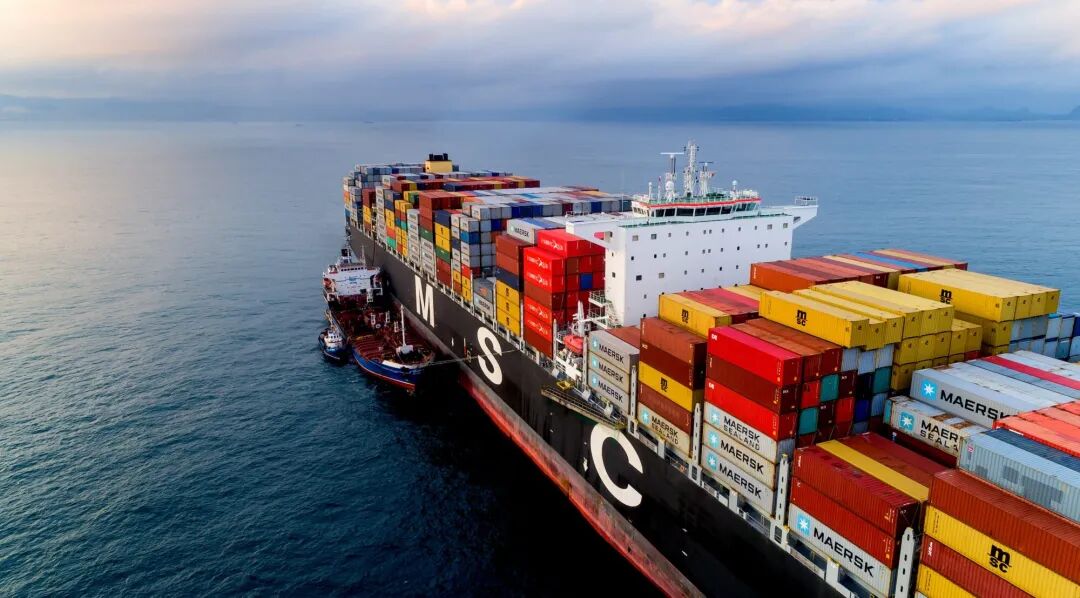
Alphaliner noted in its weekly newsletter that MSC's capacity share in the global container shipping market has reached a new high of 21.6% . This market share is unprecedented and now exceeds the combined total of Maersk and Hapag-Lloyd. The previous highest share achieved by a single shipping line was the 19.3% recorded by Maersk in 2018.
Since then, the trajectories of these two shipping companies' shares of global container capacity have diverged significantly. Maersk still ranks second with a 13.8% market share, but has been distanced by MSC. CMA CGM ranks third with a 12.7% share.
Alphaliner commented: "MSC is continuously eroding the market share of other shipping companies and is the only carrier among the world's top ten to achieve a record-high market share this year. Since 2010, the world's largest container shipping line's market share has doubled."
Last month, MSC became the first liner company globally to operate a fleet of 1,000 vessels. The latest Alphaliner data shows MSC operates 1,002 vessels—753 owned and 249 chartered—with a total capacity of nearly 7.34 million TEU. The company overtook Maersk in 2022 to become the world's largest liner operator by capacity.
Alphaliner noted that while MSC achieved solid organic growth in its first fifty years through the gradual introduction of large newbuild containerships, it has further amplified its growth since 2020 through an "unprecedented" rapid acquisition spree of second-hand containerships.
The agency commented in 2022: "Unlike most other large shipping lines that entered the top ten through a series of mergers and acquisitions, MSC's rise has been achieved entirely through organic growth."
At the other end of the spectrum, Maersk has adopted a markedly different strategy. In May this year, the shipping line's market share fell to a twenty-year low, reflecting a subdued performance. Since early 2024, Maersk has capped its fleet capacity at approximately 4.1 to 4.3 million TEU, shifting its focus toward building an integrated logistics service provider. MSC, in contrast, has been aggressively expanding since the pandemic erupted in 2020.
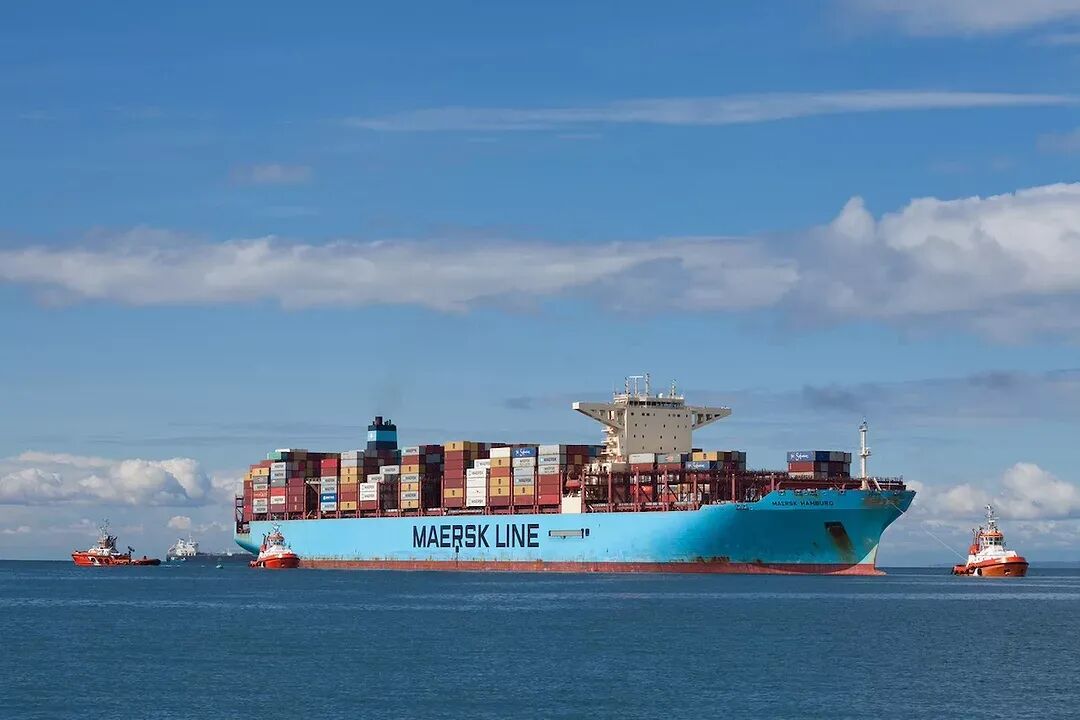
Gemini Cooperation's Market Share Approaches 21%
In terms of shipping alliances, the Gemini Cooperation remains highly competitive. Maersk and Hapag-Lloyd jointly operate 1,028 vessels with a total capacity of approximately 7.1 million TEU, accounting for about 20.8% of global container shipping capacity. Maersk currently operates 742 vessels with a total capacity of roughly 4.7 million TEU, while Hapag-Lloyd operates 286 vessels with a capacity of nearly 2.4 million TEU.
As the Gemini network gradually becomes fully operational, the two companies continue to prioritise schedule reliability, operational efficiency, and a simplified network architecture.
Ocean Alliance Remains the Largest Shipping Alliance
In terms of deployed fleet capacity, the Ocean Alliance remains the world's largest shipping alliance. CMA CGM, COSCO SHIPPING, and Evergreen jointly operate 1,529 vessels with a total capacity of approximately 9.94 million TEU, commanding an alliance market share of over 29%.
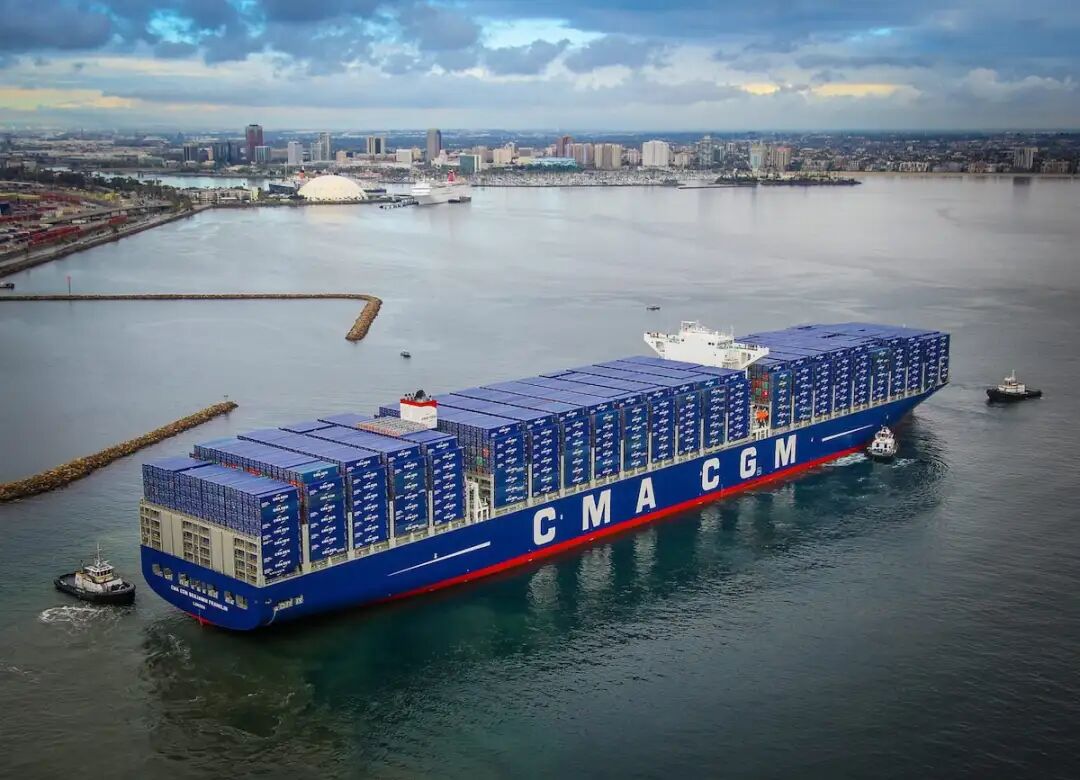
CMA CGM remains the largest member of the Ocean Alliance, operating 731 vessels with a capacity of 4.33 million TEU. The company also holds the largest orderbook, with 160 newbuildings. COSCO SHIPPING, together with OOCL, operates 558 vessels with a capacity of approximately 3.61 million TEU and holds 140 newbuilding orders. Meanwhile, Evergreen operates roughly 240 vessels with a capacity nearing 2.0 million TEU and currently has 74 vessels under construction.
Premier Alliance Maintains Strong Regional Presence
The Premier Alliance, comprising ONE, HMM, and Yang Ming, continues to hold a strong competitive position on Transpacific and intra-Asia trades.
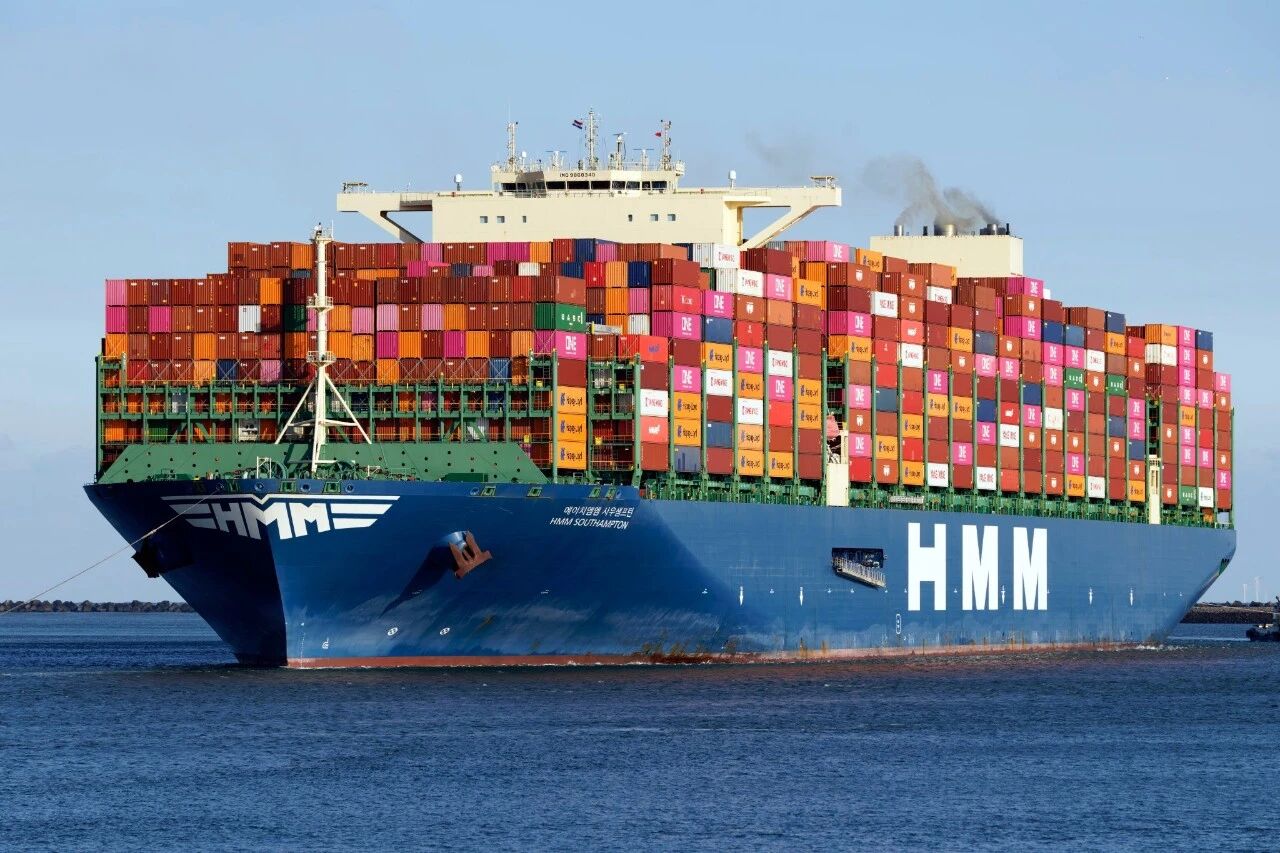
Currently, HMM operates 98 vessels with a total capacity of approximately 1.04 million TEU and holds 34 newbuilding orders; Yang Ming operates 97 vessels with a capacity of around 740,000 TEU and has 16 further vessels under construction; ONE operates 272 vessels with a capacity of 2.15 million TEU and holds 52 newbuilding orders.
The alliance continues to invest in energy-efficient tonnage, fleet renewal, and operational flexibility to maintain competitiveness on key regional routes.
Non-Alliance Carriers See Shrinking Market Share
Non-alliance carriers currently control only about 17.1% of global container shipping capacity. However, certain independent operators remain important players in regional and niche markets: ZIM currently accounts for roughly 2.1% of global capacity, operating 116 vessels with a total capacity of approximately 700,000 TEU. Wan Hai Lines controls about 1.8% of the market, while Pacific International Lines holds approximately 1.3%. Regional specialists such as X-Press Feeders and SITC maintain solid market positions, each accounting for approximately 0.6% of global container capacity.
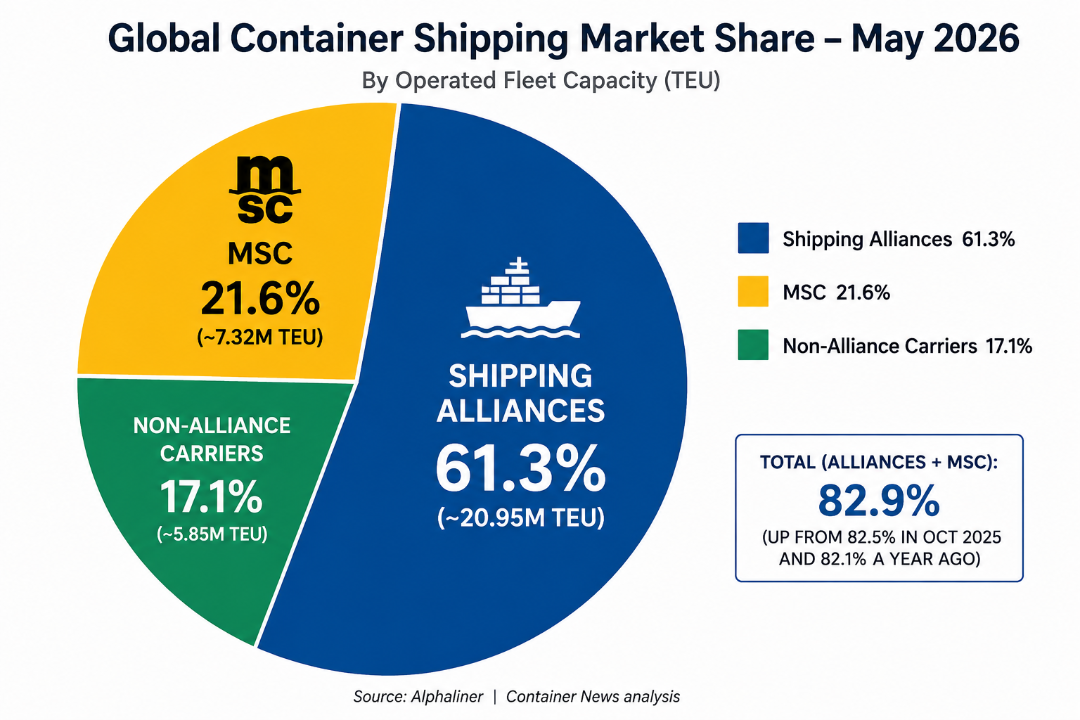
Despite their relatively smaller scale, these carriers continue to play a vital role in intra-regional connectivity and coverage of specific trade route markets.
The growing dominance of shipping alliances is likely to intensify further in the coming years. ZIM's deal developments are currently the subject of intense industry attention. Should it ultimately be acquired by Hapag-Lloyd, the market share controlled by alliance-affiliated carriers would rise even further, further squeezing the space for truly independent operators. Meanwhile, the massive newbuilding order activity in the liner shipping sector indicates that competition among the world's top shipping lines remains extremely intense.
However, the next phase of competition is expected to focus increasingly on operational efficiency, schedule reliability, digital integration, and decarbonisation strategies, rather than merely on fleet size alone.
Hot News