






China's First Maritime Electric Vessel Charging and Battery-Swapping Station Put into Operation
Source:CNSS
2026-06-25
On June 20, with the docking and charging of the Weiqiao Lüdong 5, a 10,000-tonne-class coastal new energy bulk carrier, China's first maritime electric vessel charging and battery-swapping station was officially put into operation at the Weiqiao Chuangye Port Terminal in the Dongfeng Port Economic Zone, Wudi County, Binzhou.
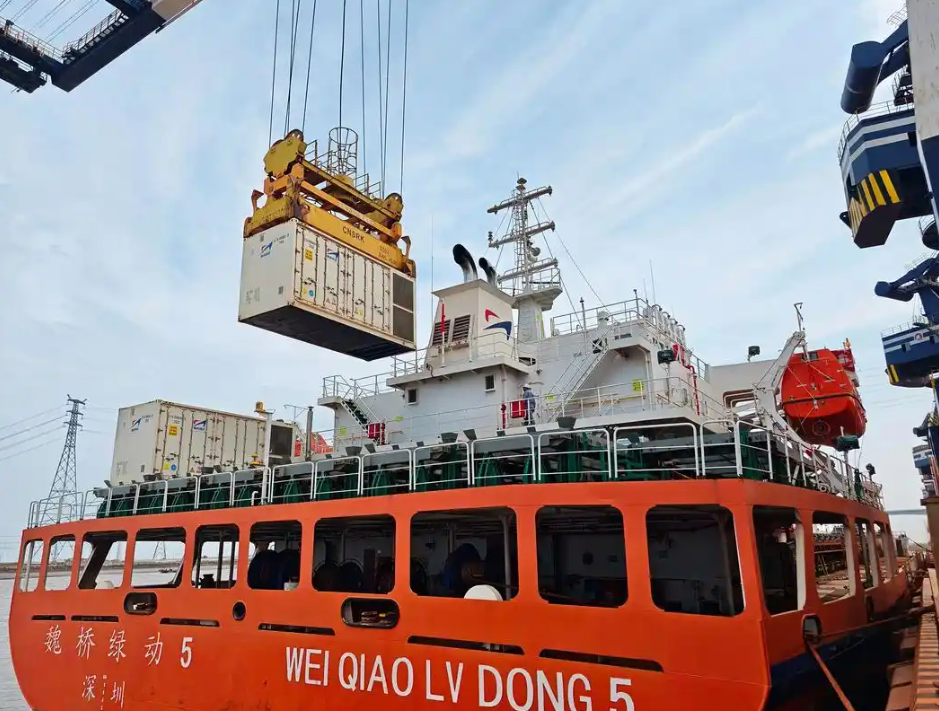
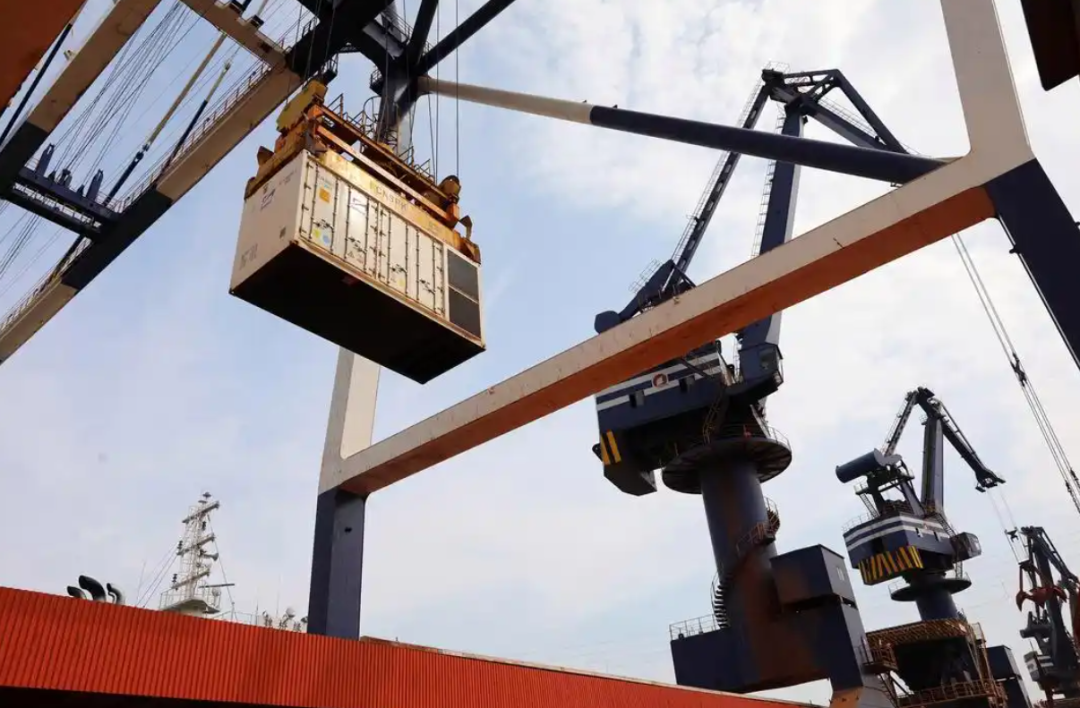
As the crane hoisted, four containerised battery packs were successively unloaded from the vessel and brought ashore. In less than ten minutes, the Weiqiao Lüdong 5 had completed its battery swap. The depleted battery packs then entered the station for recharging and will return to the vessel fully charged after just 3.5 hours.
This maritime electric vessel charging and battery-swapping station, the largest of its kind in China and indeed globally, has a design capacity of up to 16,000 kVA and can simultaneously meet the charging and swapping needs of five new energy vessels, accommodating a total of 40 containerised battery packs. Currently, four 10,000-tonne new energy vessels regularly use the station for charging and battery swapping, with additional vessels undergoing rapid batch production and assembly.
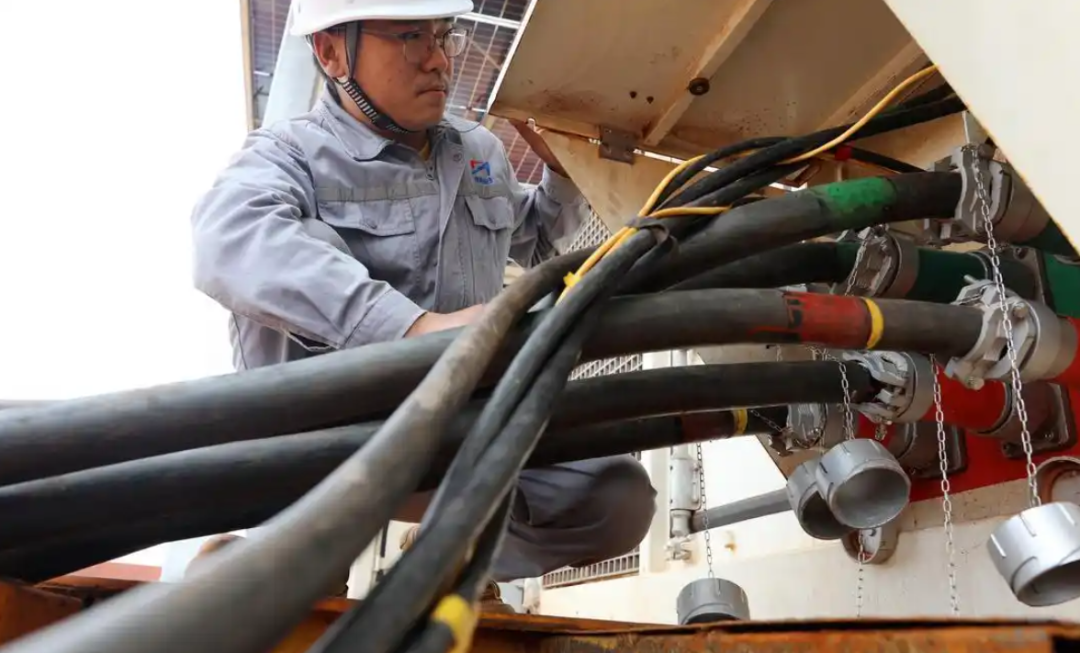
Each pack of eight batteries stores a total of 16,000 kWh of electricity. Through the station's highly efficient charging system, a full recharge takes just three and a half hours—a duration that perfectly matches the loading and unloading time of the vessels in port, truly realising a model where "energy replenishment occurs during cargo operations" and completely eliminating range anxiety for new energy vessels. The rooftop photovoltaic system employs double-sided reflective solar panels for higher power generation efficiency. Connected to a 400V low-voltage grid, it supplements the station's auxiliary power needs, with surplus electricity fed into the Weiqiao grid system.
Weiqiao Energy Storage and Battery-Swapping Technology (Wudi), operating under Weiqiao New Energy Vessel Energy Storage and Battery-Swapping Technology Operations (Shenzhen), has obtained multiple invention patents through technological research, including portable mobile charging equipment and a safety device for abandoned container boxes. Since entering trial operation late last year, the company has successively overcome challenges such as rapid cooling of charging equipment and achieving stable high-power charging. It has also realised two charging and battery-swapping modes: onboard charging using high-voltage shore power mobile equipment and stationary charging at on-site fixed facilities. Field verification has confirmed that the current charging and battery-swapping technologies are maturing day by day.
Li Shuo, General Manager of Shenzhen Weiqiao New Energy Vessels, stated that technological innovation is translating into green benefits. Based on ten voyages per vessel per month, the four 10,000-tonne new energy vessels already in operation can save a total of 11,200 tonnes of fuel annually. Looking ahead, as 50 new energy vessels of the same class progressively enter service, they are projected to reduce carbon dioxide emissions by 450,000 tonnes per year—equivalent to eliminating the carbon emissions of a medium-sized thermal power plant.
Hot News