





SIPG Reports $5.50 Billion in Revenue in 2025 Annual Report
Source:CNSS
2026-04-01
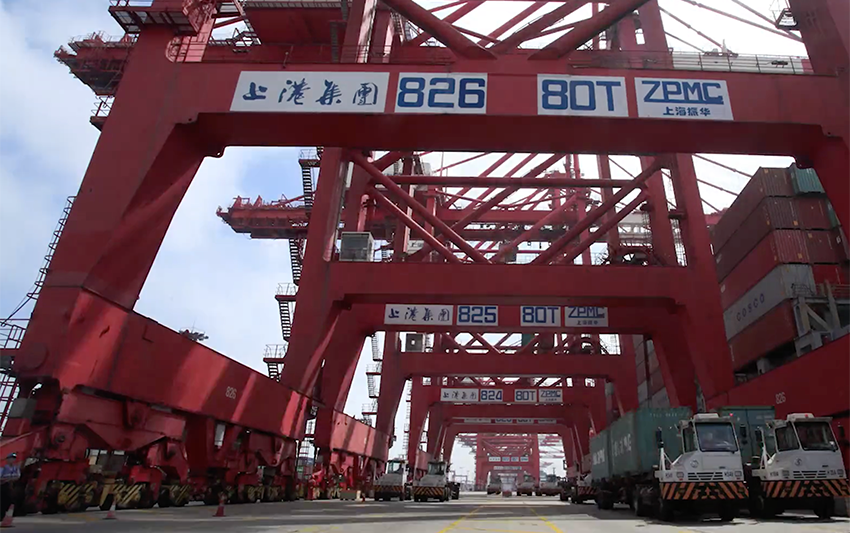
Shanghai International Port (Group) Co. ("SIPG") released its 2025 annual report on March 31.
The report shows that the company recorded operating revenue of $5.50 billion, up 3.92% year over year. Net profit attributable to shareholders reached $1.88 billion, down 9.29% from a year earlier, while net profit excluding non-recurring items totaled $1.69 billion, a decline of 8.10%. Basic earnings per share came in at $0.081.
In 2025, SIPG handled 55.063 million TEUs at its home port, maintaining its position as the world’s largest container port for the 16th consecutive year, with key operating indicators ranking among the industry’s top performers. During the reporting period, total cargo throughput at the home port reached 600 million tons, up 3.4% year over year. Container throughput totaled 55.063 million TEUs, an increase of 6.9%, extending its global lead for the 16th straight year. Meanwhile, bulk and breakbulk cargo throughput reached 81.607 million tons, down 6.5% from the previous year.
During the 2026–2030 period, SIPG aims to become a globally leading terminal operator and port logistics service provider, with a strong focus on high-quality development driven by digitalization, intelligence, sustainability, and resilience. It plans to further consolidate its global leadership in core port operations while actively advancing the development of diversified new business segments and building a world-class port ecosystem.
The company will continue to strengthen its position as the world’s largest container port, maintaining global leadership in service quality, operational capability, and technological application. It will actively integrate into the development of the Yangtze River Delta region, reinforce its leading role, and contribute to building Shanghai into a world-class port and advancing the city’s “Five Centers” initiative.
At the same time,SIPG aims to enhance its role in supporting major national strategies, including the “dual circulation” framework and the Belt and Road Initiative. It will strive to maintain industry-leading performance in terms of revenue scale and profitability, significantly improve the capacity and influence of its port and shipping logistics services, preserve and grow the value of state-owned assets, and deliver sustainable, high-quality growth and value creation for shareholders and employees.
Hot News