





Iran Finalizes Strait of Hormuz Control Plan; First Transit Fees Collected
Source:CNSS
2026-04-27
Iran has recently issued a flurry of policy signals tightening its grip over the Strait of Hormuz.
According to a report by Iran's Mehr News Agency on the 25th, Iranian MP Behnam Saeedi stated that a comprehensive plan for managing the strait has now been formulated.
In an interview, Saeedi disclosed key elements of the plan: the term “Persian Gulf” will be exclusively enforced in all official correspondence and commercial documents. Vessels transiting the region must obtain Iranian permission, with Iran asserting full sovereignty over the strait. Ships belonging to nations deemed hostile by the Supreme National Security Council or the Armed Forces General Staff will be denied passage, with Israeli vessels facing an absolute ban. Ships will also be required to pay fees covering security, environmental protection, and navigational services, preferably settled in Iranian Rials.
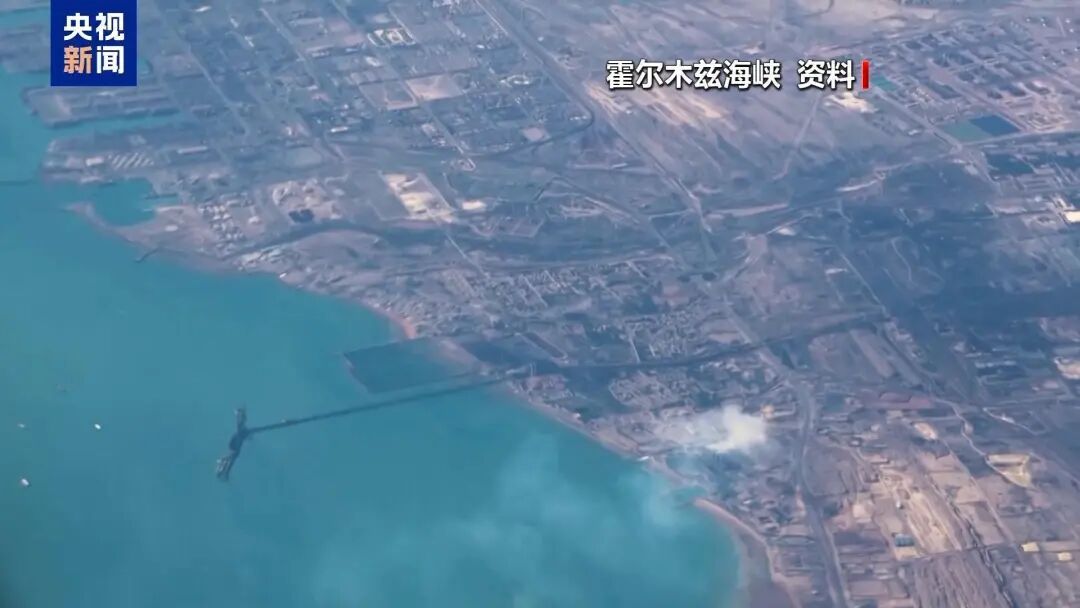
Image source: CCTV News
Meanwhile, Iran's Tasnim News Agency reported on April 23 that Parliament Deputy Speaker Haji Babaei confirmed the first transit fees have been collected and deposited into the Central Bank account. This followed earlier reports by the Financial Times, citing OPEX, which suggested Iran would demand toll payments in cryptocurrency from tankers during the US-Iran ceasefire.
OPEX spokesperson Hamid Hosseini indicated Iran intends to inspect every vessel and charge tolls to maintain control during the ceasefire. While shipping sources estimate potential charges of up to US$1 million per large tanker transit, Iran's Central Bank noted fees vary by cargo type and "risk level," and were paid in cash or foreign currency rather than crypto.
Concurrently, the US continues its naval blockade. US Central Command reported on April 25 that the USS Pinckney intercepted a merchant vessel in the Arabian Sea, which was subsequently escorted back to Iran. Since April 13, 37 vessels have been forced to divert.
As Iran rolls out its management plan and begins collecting tolls—including exploring crypto payments during the ceasefire—the rules governing this critical chokepoint are undergoing the most dramatic unilateral revision in decades. Detailed regulations have yet to form a unified, internationally recognized framework. For the global shipping industry, transit costs, compliance risks, and security uncertainties are rising in tandem.
Hot News