



IMO Adopts World's First Regulatory Framework for Autonomous Ships
Source:CNSS
2026-05-25
On May 22, the International Maritime Organization (IMO) formally adopted the International Safety Code for Maritime Autonomous Surface Ships at the close of its 111th Maritime Safety Committee session in London. This is the world's first dedicated international regulatory framework for autonomous commercial vessels and is regarded by the industry as a landmark event in the advancement of smart shipping.
IMO Secretary-General Arsenio Dominguez stated in his closing remarks: "This landmark achievement places the IMO at the forefront of regulating emerging technologies, demonstrating the Organization's capacity to anticipate and shape the future of shipping. It represents a major breakthrough, empowering innovation while ensuring that safety, accountability, and the human element remain central to maritime operations."
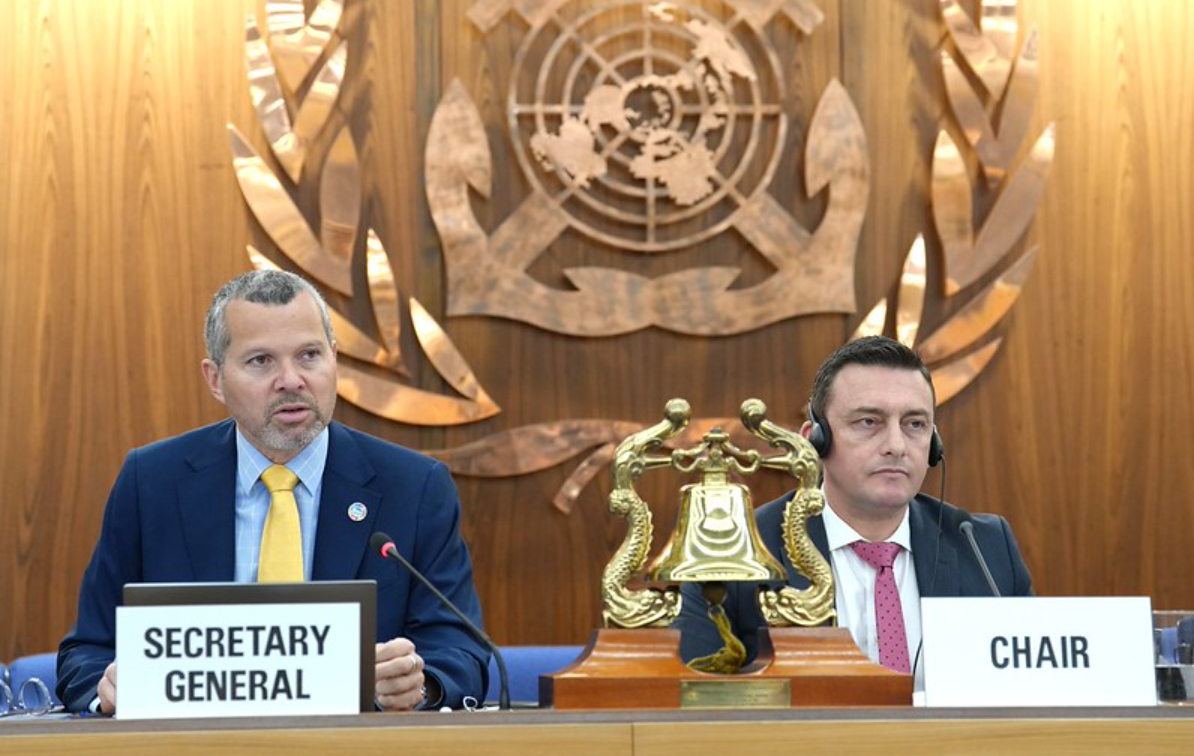
The Code applies to cargo vessels of 500 gross tonnage and above engaged in international trade, covering multiple critical areas including navigation, remote operations, cybersecurity, connectivity, machinery systems, cargo handling, watchkeeping, firefighting, and search and rescue obligations. The framework explicitly requires that autonomous vessels must meet safety, security, and environmental protection standards equivalent to those of conventional ships in terms of design, operation, and certification.
According to the timeline published by the IMO, the MASS Code will enter into force on July 1, 2026, with an initial voluntary implementation period of at least two years to allow Member States and industry stakeholders to test and gain experience.
Although the Code aims to promote ship automation, it repeatedly emphasizes the central role of human oversight. The Code explicitly stipulates that the master retains overall responsibility for the vessel under all circumstances—even when not physically on board. Both on-board and shore-based remote operators must retain the ability to interpret system outputs, monitor automated functions, and override system decisions where necessary.
This design responds to the ongoing discussions in recent years concerning the attribution of legal liability in autonomous shipping, the role of the master in remote operations, and the responsibilities of shore-based operators.
The adoption of the MASS Code provides an institutional basis for the commercial deployment of autonomous cargo ship technology globally. Trials of remotely controlled and semi-autonomous vessels are currently underway in multiple regions. Analysts believe that the introduction of a unified framework will provide shipowners and technology companies with clearer compliance expectations.
Hot News