





HD Hyundai Accelerates Nuclear-Powered Ship Deployment, Design Gains Class Society Approval
Source:CNSS
2026-06-08
HD Hyundai Group has recently taken a pivotal step in the field of nuclear-powered commercial vessels. The conceptual design for the world's first Large Pure Car and Truck Carrier (PCTC) applying a Molten Salt Reactor (MSR), jointly developed by its shipbuilding subsidiaries HD Hyundai Heavy Industries and HD Korea Shipbuilding & Offshore Engineering, has officially received Approval in Principle (AIP) from Lloyd's Register. This marks the company's expansion of Small Modular Reactor (SMR) propulsion technology application from its previously promoted containerships into the car carrier segment.
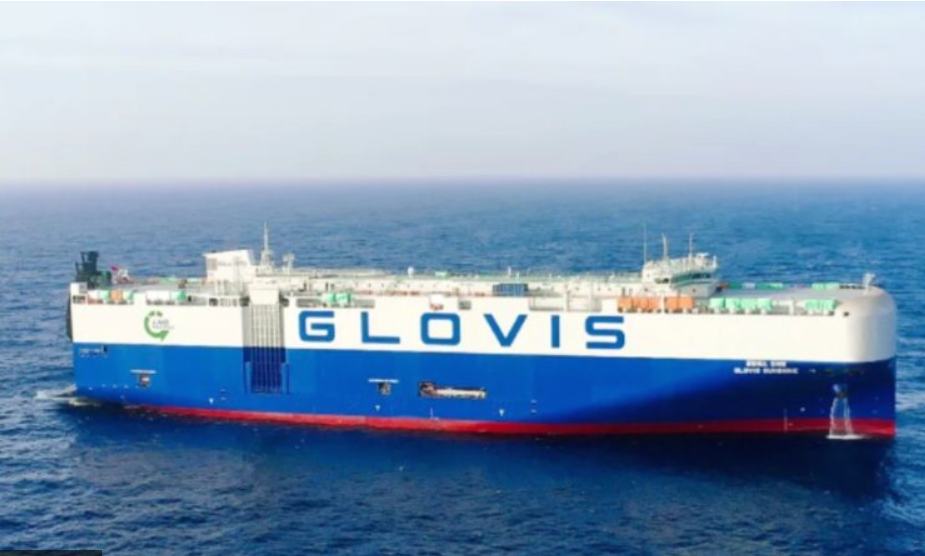
The project that has now gained approval was advanced through multi-party collaboration. HD Hyundai led the vessel's conceptual design and technical review, while Hyundai Glovis contributed a viable operational plan based on its extensive experience in PCTC operations. G-Marine Service provided an assessment from the perspective of ship operations and management, and the Korea Atomic Energy Research Institute was responsible for an in-depth review of the key MSR technology. This collaborative model—encompassing the designer, shipping enterprise, manager, and research institution—offers multi-dimensional support for the engineering realization of nuclear-powered commercial vessels.
The MSR is a type of Small Modular Reactor that uses molten salt, a mixture of nuclear fuel and coolant, as its fuel. Compared with conventional pressurized water reactors, MSRs feature high inherent safety and good thermal efficiency, and are considered particularly suitable for maritime nuclear power generation environments. Vessels equipped with SMRs produce no carbon dioxide emissions during operation and can achieve stable, long-endurance, high-power propulsion, aligning with the increasingly stringent decarbonization requirements of the International Maritime Organization. HD Hyundai had previously initiated the development of an MSR-based containership concept; extending the same technological pathway to PCTCs now signals its strategic intent to view nuclear power as a key direction for next-generation zero-carbon vessels.
Currently, the global maritime car carrier market is providing ample space for the application of new technologies. Driven jointly by growth in finished vehicle exports, rising demand for electric vehicle transport, and the green transformation of the shipping industry, the global seaborne PCTC market is projected to grow at a compound annual growth rate of 3.8% between 2024 and 2030, reaching a market size of approximately US$4.5 billion by 2030. Against this backdrop, the introduction of zero-emission, high-endurance nuclear propulsion solutions has the potential to reshape the competitive landscape of deep-sea car transportation.
However, the large-scale commercialization of nuclear-powered merchant vessels still faces numerous tests. The European Maritime Safety Agency has explicitly noted that, although nuclear energy can contribute to shipping decarbonization, a range of complex challenges—including production, safety, security, professional training, liability definition, and insurance systems—must first be addressed. This suggests there is still a considerable path from Approval in Principle to actual vessel construction and commercial operation.
HD Hyundai, for its part, has demonstrated a determination to press ahead. The company stated: "We are working closely with major shipping companies and classification societies to showcase leading eco-friendly ship technologies. We will lead the era of carbon-neutral vessels through continuous technology development and investment." As the global shipping industry's decarbonization timeline becomes ever more pressing, fourth-generation nuclear technologies represented by the Molten Salt Reactor are moving from concept toward reality—and this latest expansion by HD Hyundai undoubtedly adds a new chapter to that progression.
Hot News