






Can a Floating City for 80,000 People Really Be Built?
Source:CNSS
2026-06-22
A giant floating metropolis, 1.1 miles long and costing £12 billion to build, with thousands of homes designed for people to live on the ocean year-round—is this the ultimate imagination of future living, or yet another utopia destined to remain on the drawing board?
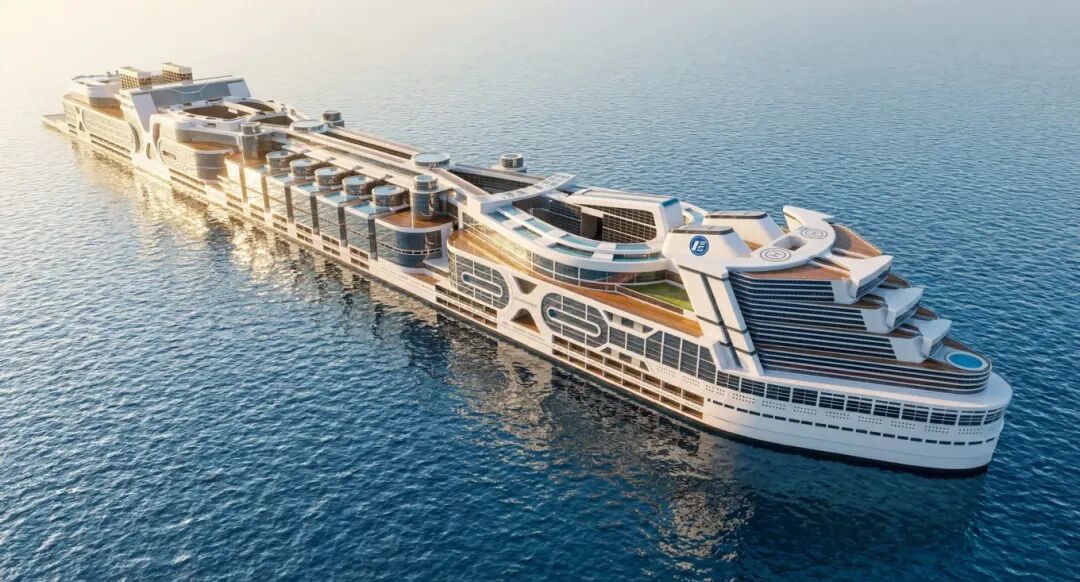
Recently, the "Freedom Ship" floating city project, dormant for years, has re-entered the public eye. The concept was first proposed back in the 1990s, envisioning a vessel designed to accommodate up to 80,000 people, complete not only with residences, hospitals, and schools, but also hotels and commercial zones, all intended to create a self-sufficient city at sea.
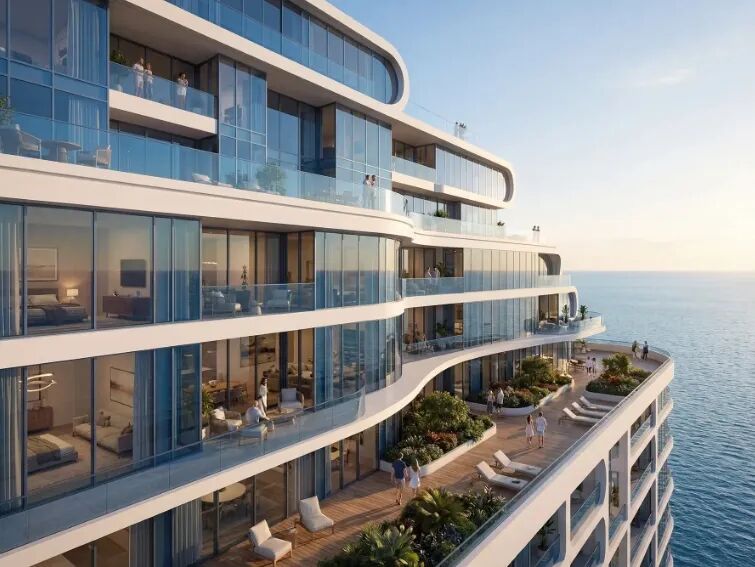
According to Freedom Cruise Line International, the company behind the project, the Freedom Ship is conceived as a "permanent, mobile floating city": one that continually circumnavigates the globe while meeting the daily needs of its inhabitants. The vessel is planned to feature a tram system for internal transport, with ferry services connecting it to land, along with eight helipads. It also includes plans for a 15,000-seat sports arena, a convention centre, a two-storey food court, three acres of parkland, a shopping mall, two museums, a symphony hall, a waterpark, and an aquarium.
The company says the ship will utilise advanced hybrid propulsion, energy recovery systems, and water and waste treatment processes. However, due to its immense scale, it is reported that the vessel will be unable to dock at any conventional port, instead remaining permanently offshore, with all transit to and from land reliant on ferry services. Previous reports suggested construction could take four years, but the company's CEO and Director, Roger Gooch, has stated that the first residents could move in during the final phases of work. The project has reportedly identified a primary construction site in Indonesia.
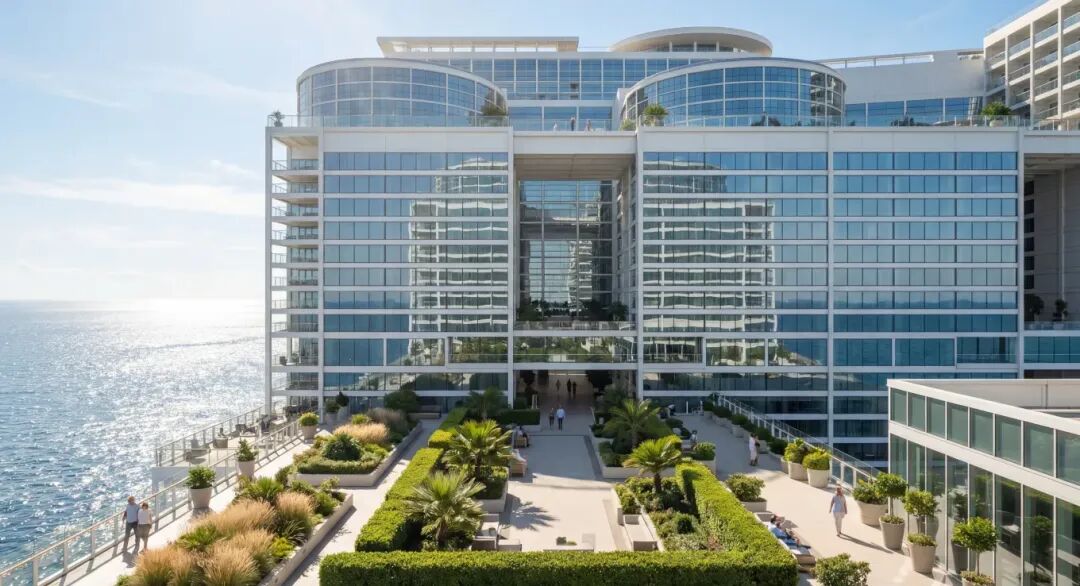
However, money remains an unavoidable obstacle. Although the project resurfaces periodically, the multi-billion-dollar mega-structure has repeatedly stalled, chiefly due to escalating costs and financing difficulties, with costs reportedly reaching approximately US$16 billion. Gooch told The Telegraph: "We are very confident about getting this project off the ground, but it all comes down to funding."
Floating cities have long been touted as a radical solution to the various pressures of the 21st century. Proponents argue they could provide new living space for overcrowded coastal areas, accommodate populations displaced by climate change, and create experimental platforms for exploring alternative governance or tax systems. Many designs also promise sustainable living, with integrated food, energy, and water systems tailored to the marine environment.
For decades, proposals ranging from "seasteading" communities to luxury mega-yachts have proliferated, yet a variety of obstacles have consistently kept these visions from becoming reality. These range from investment and financing shortfalls covering multi-billion-dollar price tags, to regulatory and political challenges including local opposition and governance disputes. Projects similar to Freedom Ship remain on the drawing board, with some stalled at various stages of progress.
Satoshi: The Crypto Maritime Community
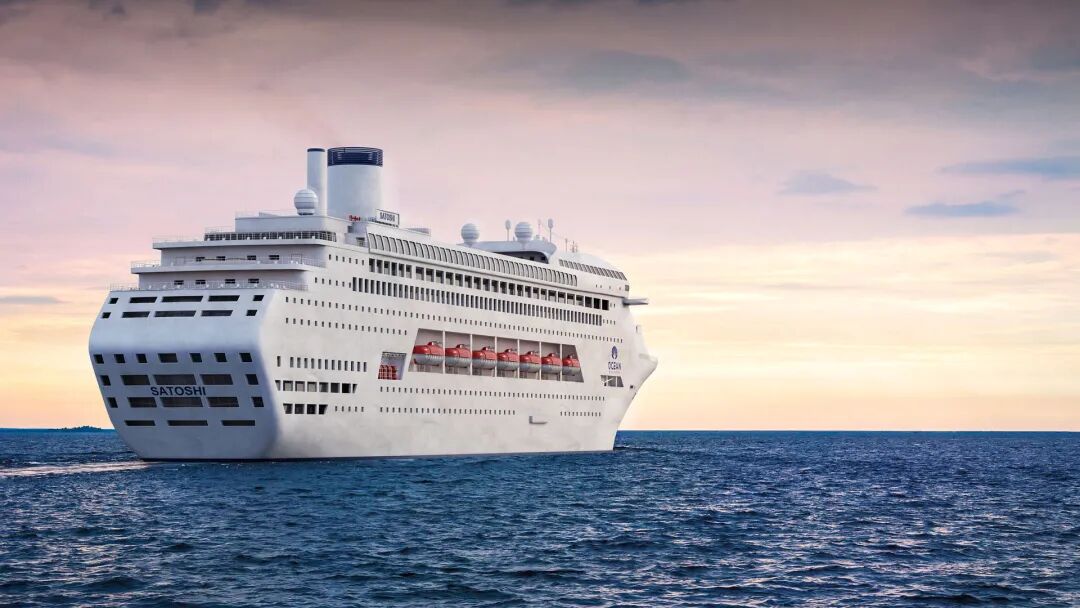
In one of the few attempts to repurpose an existing vessel, Ocean Builders' Satoshi cruise ship project aimed to create a maritime community for cryptocurrency enthusiasts to run mining operations. The project, however, was thwarted by regulatory and insurance hurdles and was ultimately forced to shut down. An Ocean Builders spokesperson stated the project was "suspended due to regulatory, operational, and insurance challenges" and subsequently "sold, with operations continuing under the new owner." The spokesperson added: "Ocean Builders has long since turned the page on Satoshi. The company is now focused on the Alpha Blue project in Panama, a fully functional ocean-living prototype allowing us to continue advancing technology, design refinement, and proof-of-concept in a real-world environment."
Pangeos: The "Terayacht"
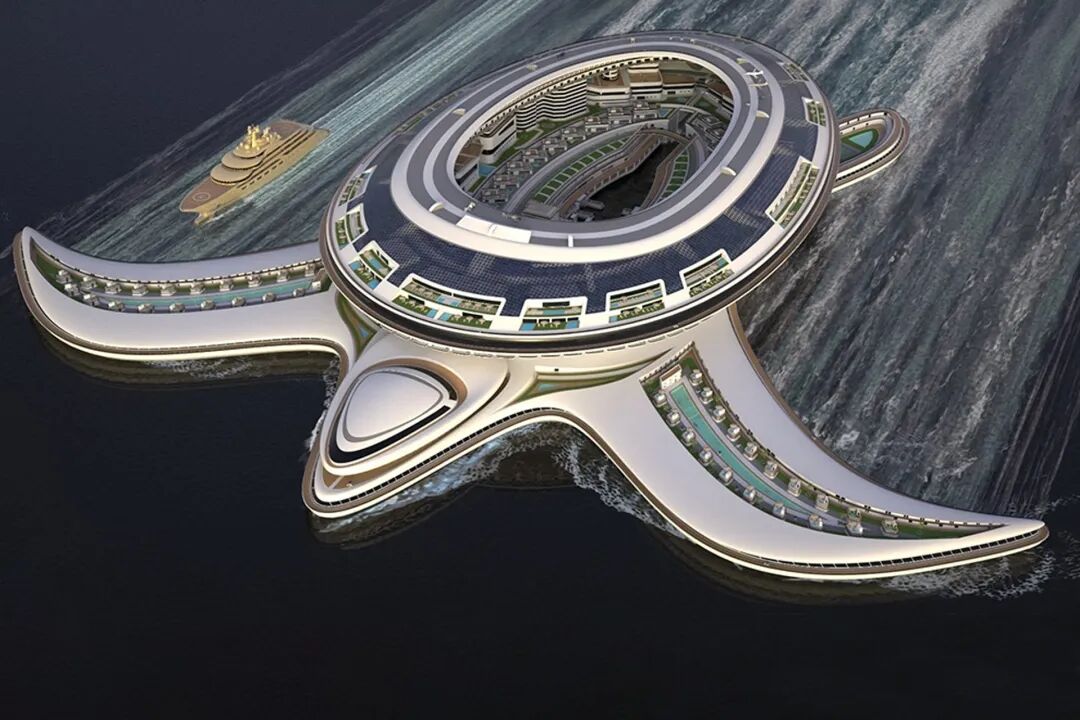
In 2022, Lazzarini Design Studio proposed the Pangeos terayacht concept. This turtle-shaped mega-floating structure aims to be the world's largest floating construction, accommodating up to 60,000 people, with an overall length of approximately 1,800 feet and a width of roughly 2,000 feet at its widest point. The project, however, remains in the development phase and has yet to make substantial progress. Construction costs are estimated at around US$8 billion, and a new type of shipyard would reportedly need to be built specifically to accommodate a vessel of such dimensions. If challenges around funding and infrastructure logistics can be resolved, construction could reportedly commence by 2033.
Hot News