


-
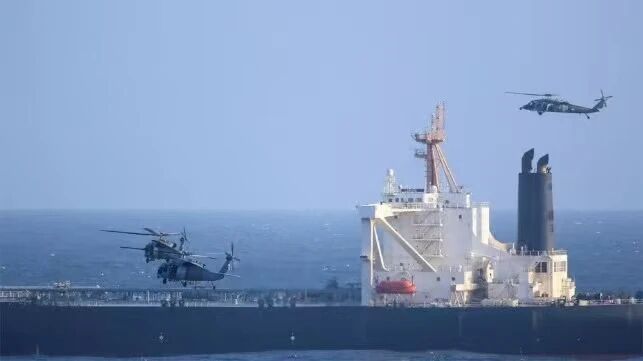
U.S.-Iran Maritime Standoff Escalates as 6 Million Barrels of Crude Oil Face Seizure
As tracking data shows that three oil tankers intercepted by the United States as part of its economic blockade campaign against Iran have been found to be heading toward the United States, market speculation is intensifying. The United States has a precedent of filing forfeiture lawsuits, and the Trump administration has also hinted that this move is a step in continuing to punish Iran.
2026/09/28 -
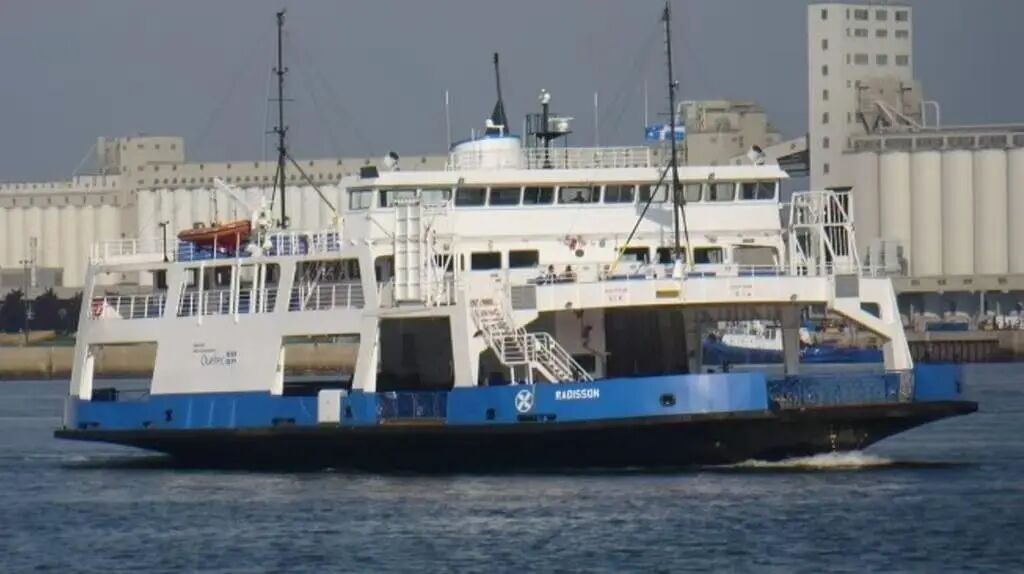
A control-transfer failure caused a ferry to strike a pier, injuring two people!
A recent report released by the Transportation Safety Board of Canada (TSB) shows that in October 2024, a Quebec ferry struck a pier after a failure to transfer engine control between bridge stations, injuring five people. Investigators also found that after replacing the vessel’s engines and control system, the owner had not adequately addressed the associated risks.
2026/09/28 -
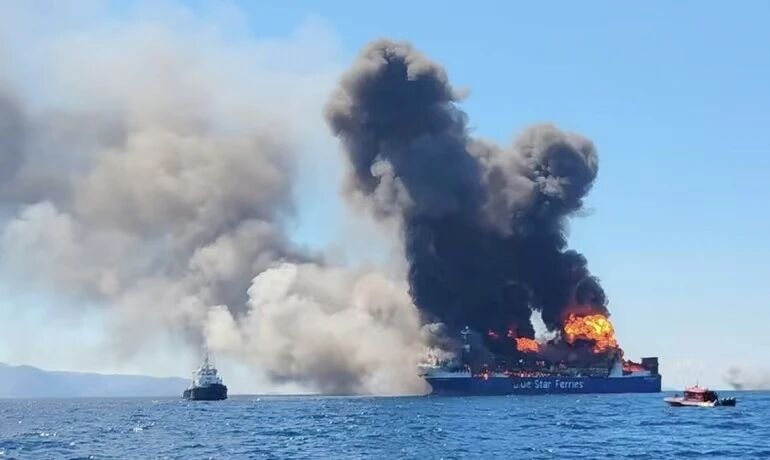
Breaking! Ro-Ro Ship Catches Fire, All 29 People Safely Evacuated
On the morning of Friday, September 25, the Attica Group’s ro-ro cargo ship BLUE CARRIER 2 caught fire while sailing in waters north of Mykonos in the Cyclades. All 29 people on board were safely evacuated and are currently in good health. Those on board included 28 crew members and one truck driver.
2026/09/28 -
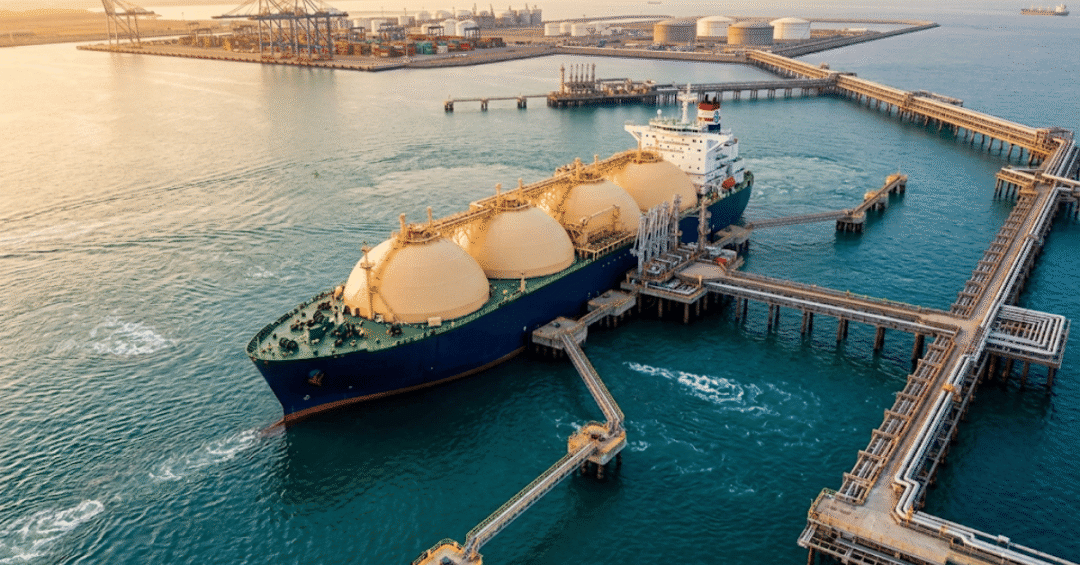
Lloyd’s Register: 200,000 cbm LNG Carriers to Become a Key Option for Fleet Renewal
Against the backdrop of an accelerating ageing of the global LNG carrier fleet, 200,000-cubic-metre-class large LNG carriers are increasingly seen by the industry as a pragmatic choice for fleet renewal. A newly released study by Lloyd's Register (LR) shows that 200,000 cbm LNG carriers can significantly increase cargo capacity per voyage and reduce transport costs while maintaining broad access to major global LNG terminals, delivering considerable economic returns for shipowners and charterers.
2026/09/28 -
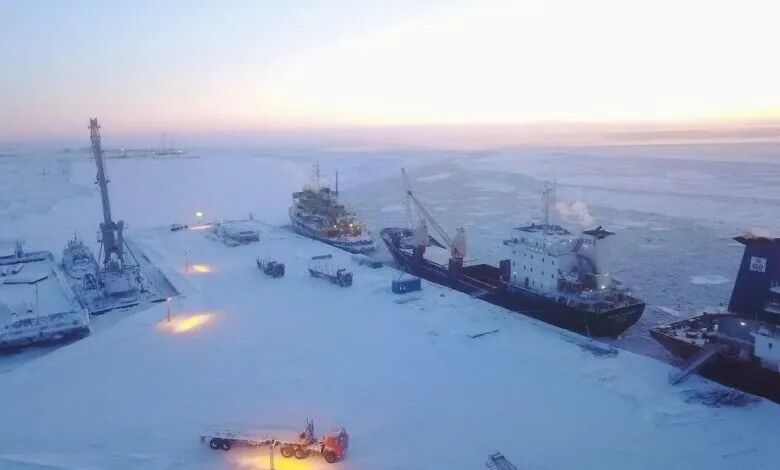
Russia Plans to Levy $2.35 Billion on Exporters to Build Nuclear-Powered Icebreakers
According to a draft government decree published this week by the Russian Ministry of Transport, Russia plans to impose a new “shipbuilding fee” on seaborne export cargo, aiming to raise more than 200 billion rubles (about $2.35 billion) over the next decade to build nuclear-powered icebreakers and expand cargo traffic on the Northern Sea Route (NSR)
2026/09/28 -
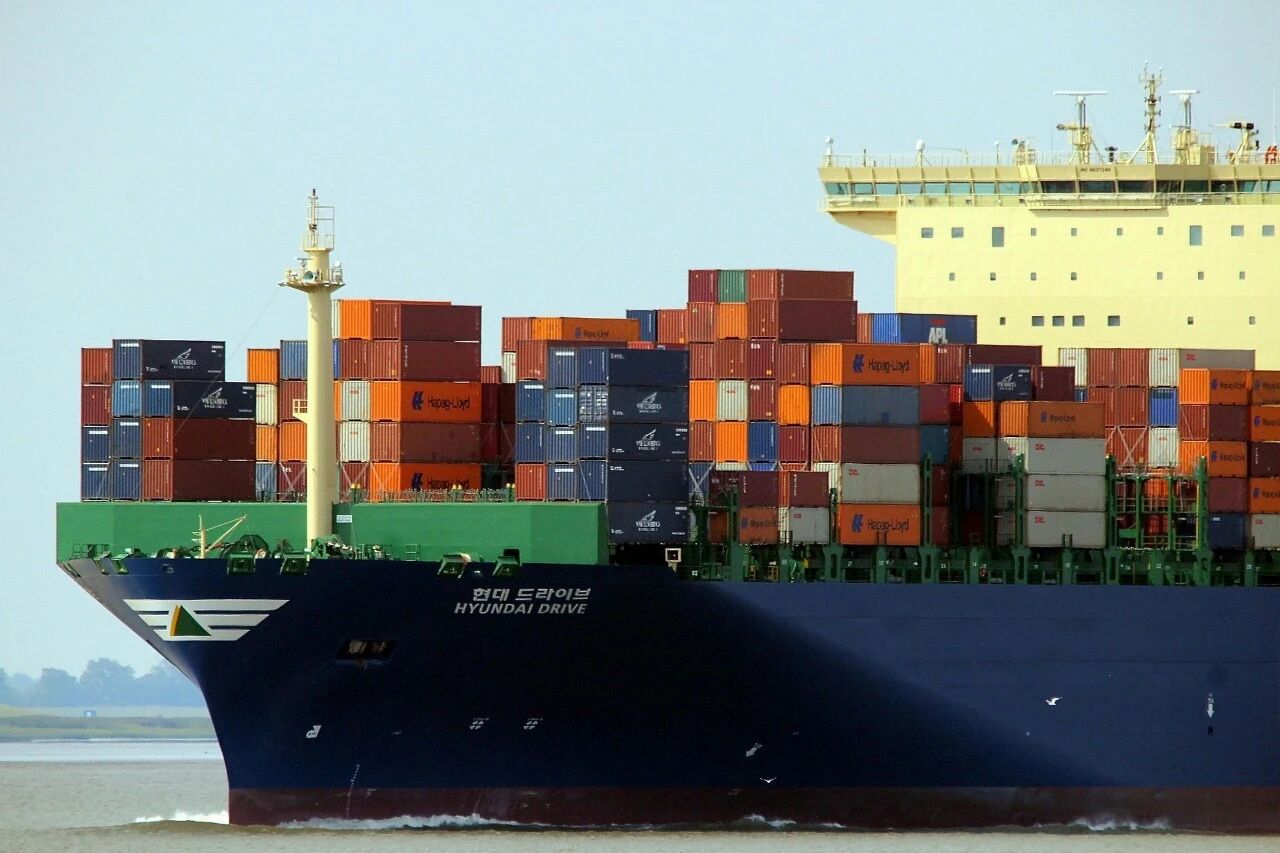
Shipping is at historic highs, but downside risks are closing in! How much longer can the supercycle last?
The shipping industry has had a bumpy ride through the 2020s, tumbling from one earnings peak to another. Successive crises have repeatedly rescued markets that, by traditional supply-and-demand analysis, should have weakened. Two new charts reveal how this supercycle took shape, and which segments may be approaching a downward inflection point.
2026/09/28 -
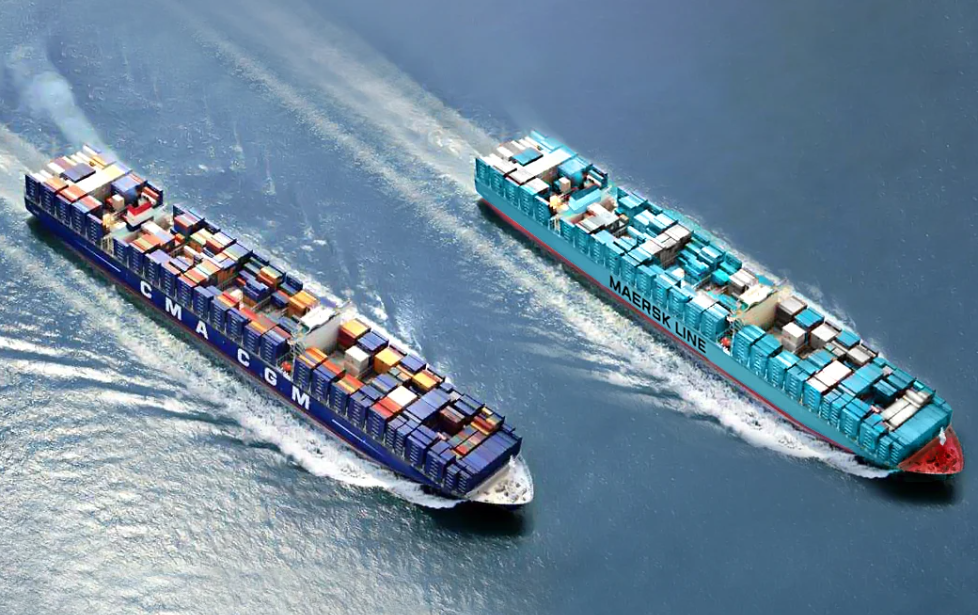
Buying Ships Takes Priority! Leading Liner Companies Collectively Move Away from Chartering
According to the latest analysis by Alphaliner, the world's largest liner companies are gradually reducing their reliance on chartered-in vessels. Since the pandemic-era freight boom, most major liner companies have significantly reduced the share of chartered-in capacity. As record profits have driven investment in newbuildings and secondhand ships, these carriers' fleet structures are shifting from being primarily chartered-in to primarily owned.
2026/09/28
More

.jpg)


Hot News